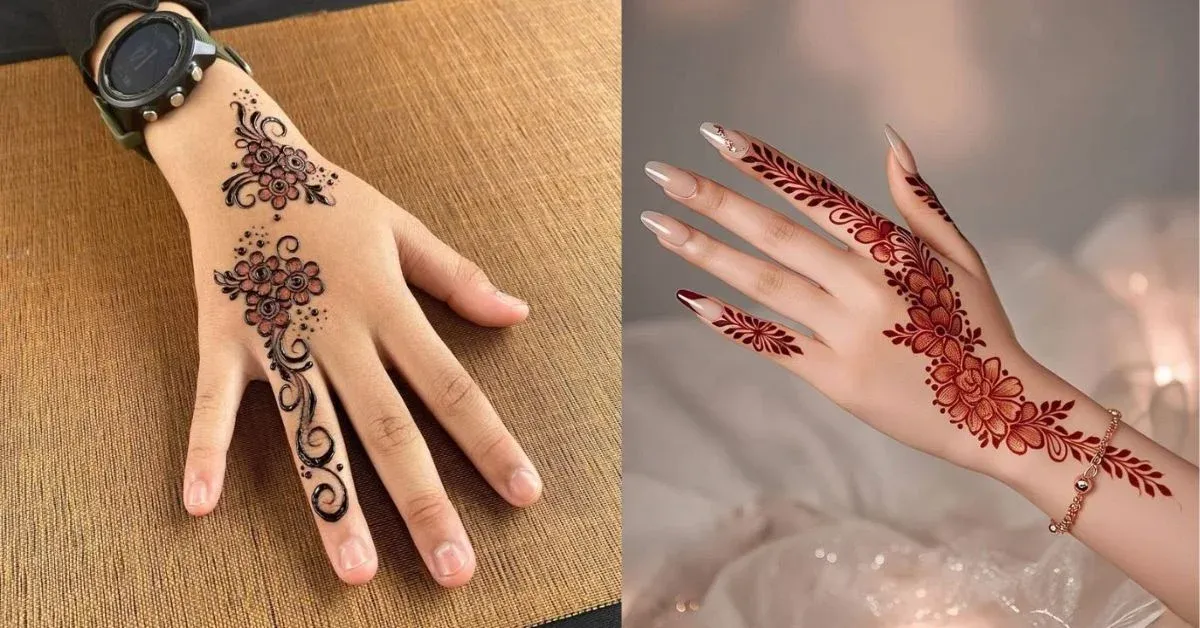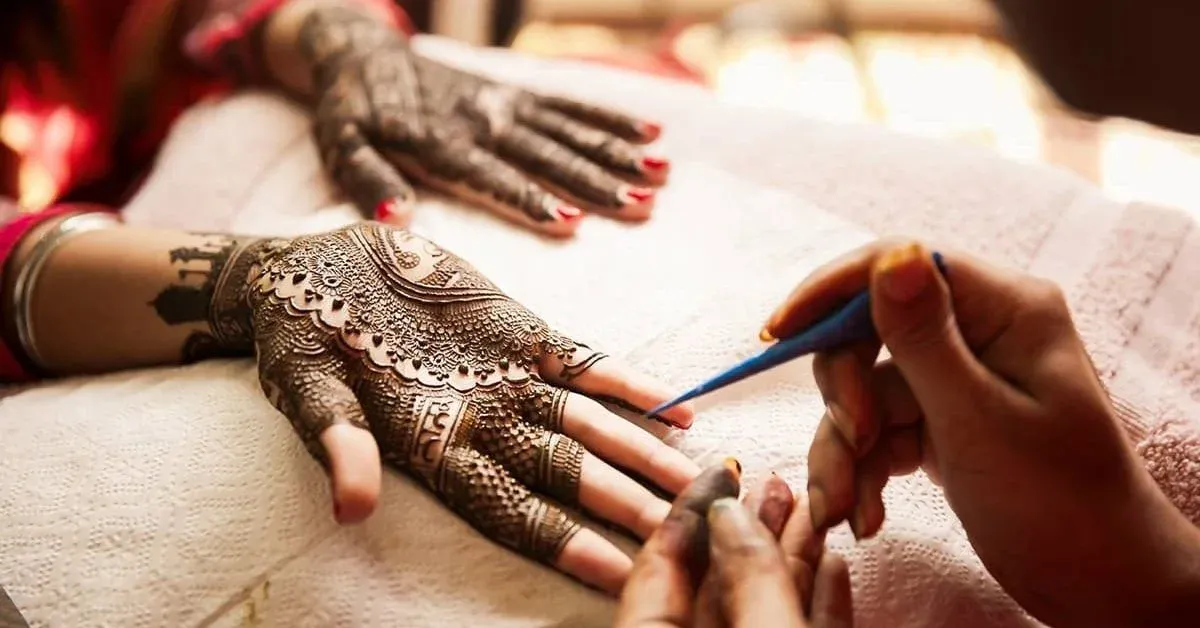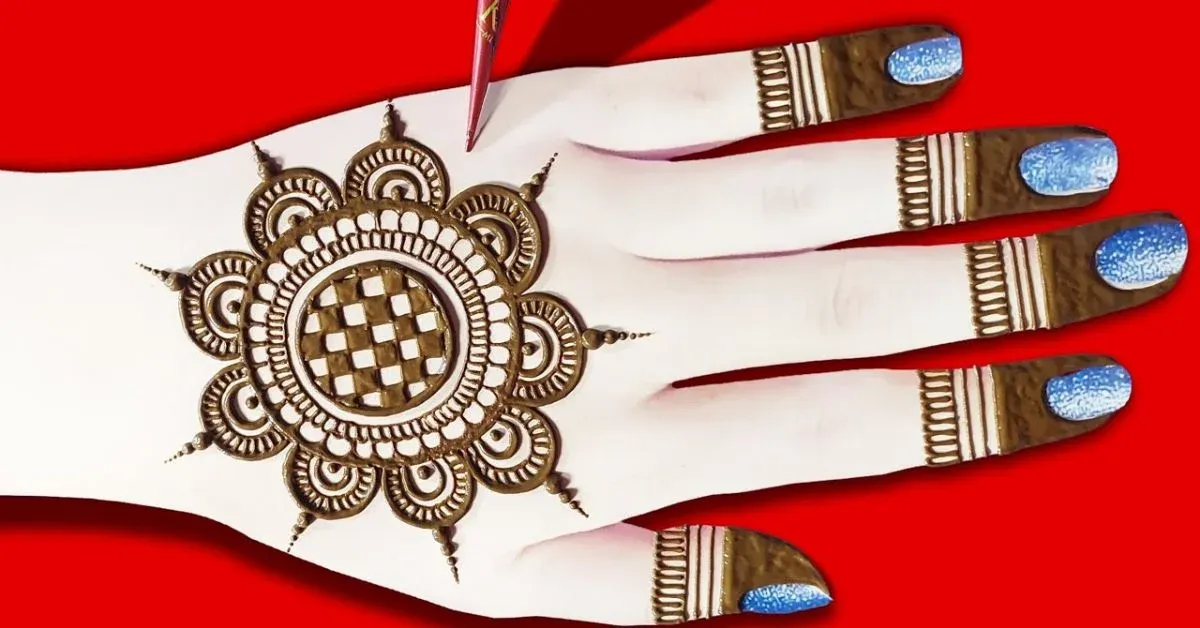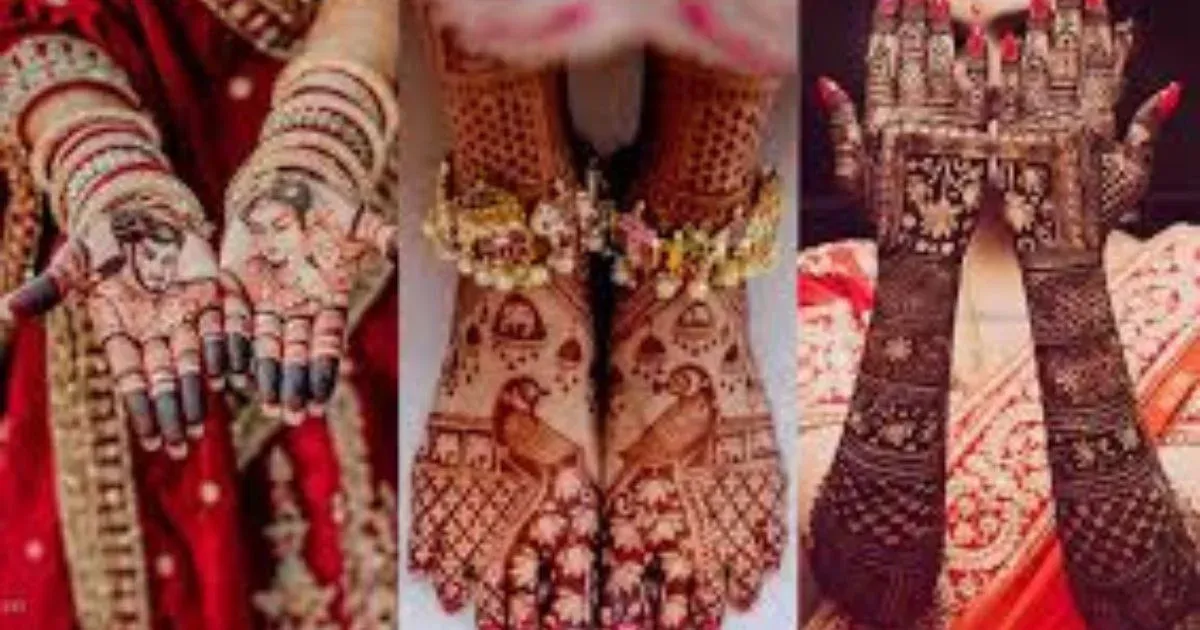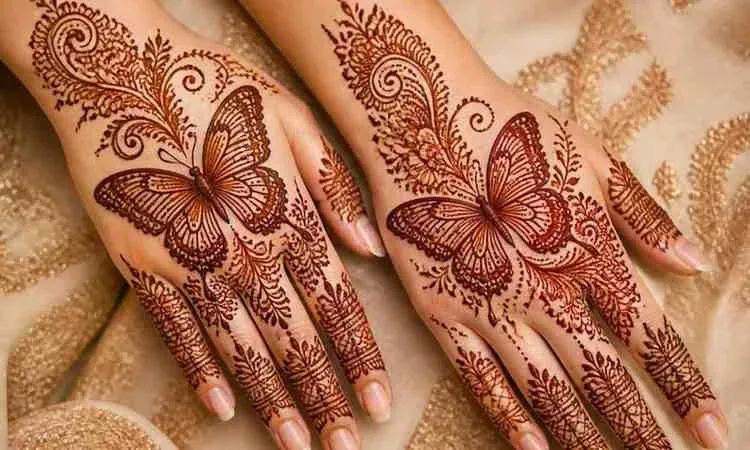
If you are looking for girl mehndi design ideas for 2026, I would start with a pattern that matches the occasion, your hand size, and the amount of detail you enjoy. From simple everyday motifs to full-hand, front-hand, back-hand, baby, and leg styles, this collection gives me plenty of options to choose from.
I have organized the ideas by style and placement so you can quickly compare the designs. I have also included practical tips for applying natural henna, choosing a pattern, and avoiding common mistakes.
Girl Mehndi Design Ideas
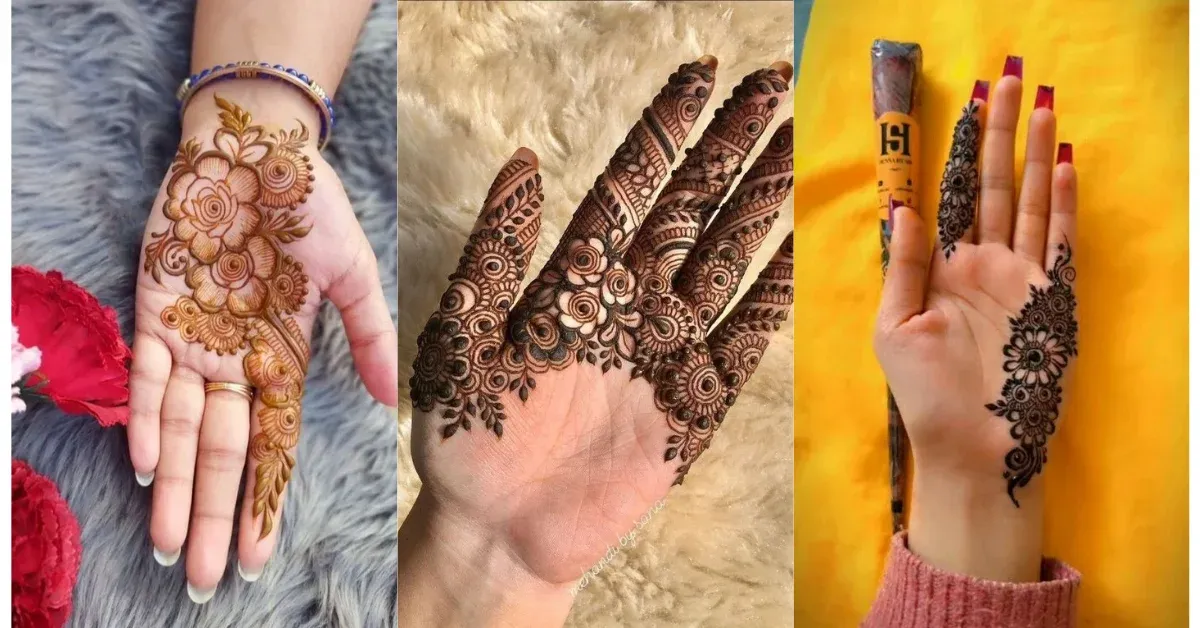
When I want a versatile girl mehndi design, I look for balanced flowers, leaves, vines, dots, fine lines, and open spaces. A balanced layout can look graceful without making the hand feel overly crowded.
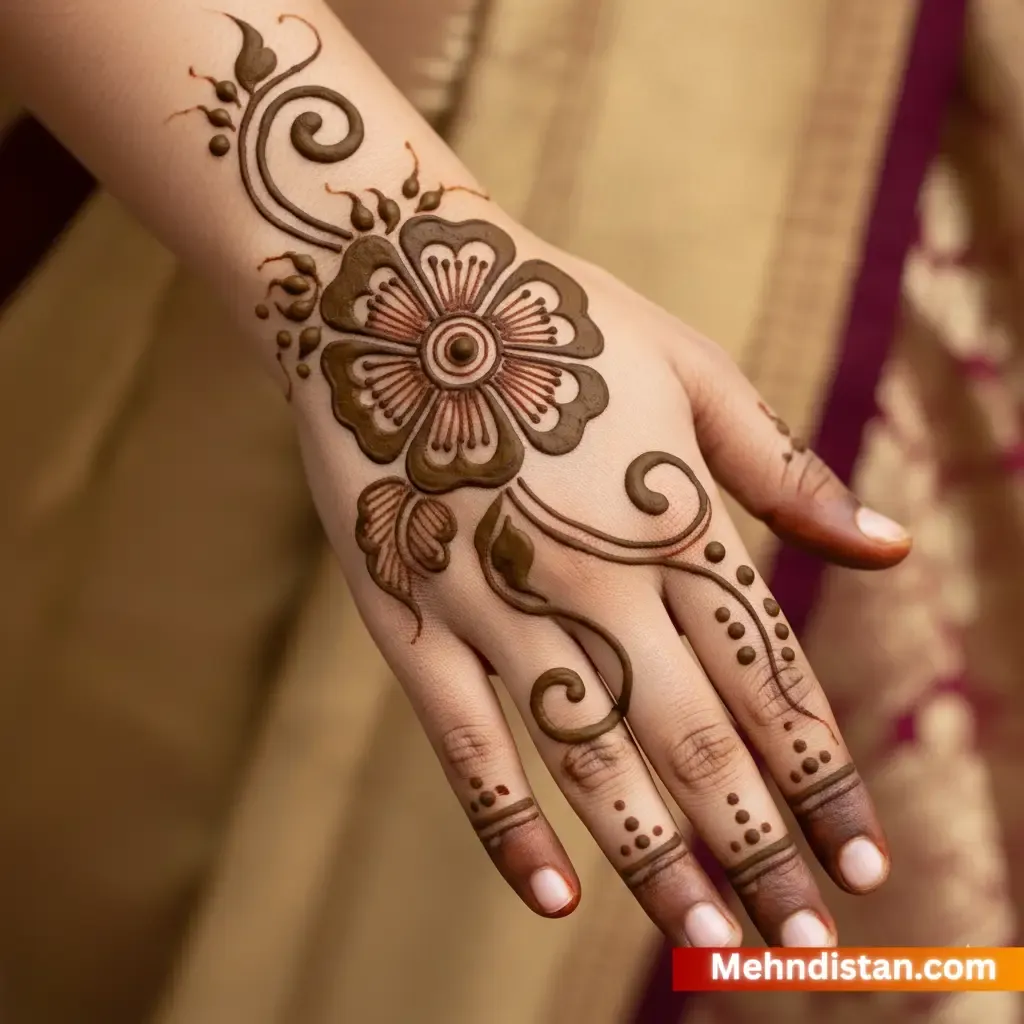
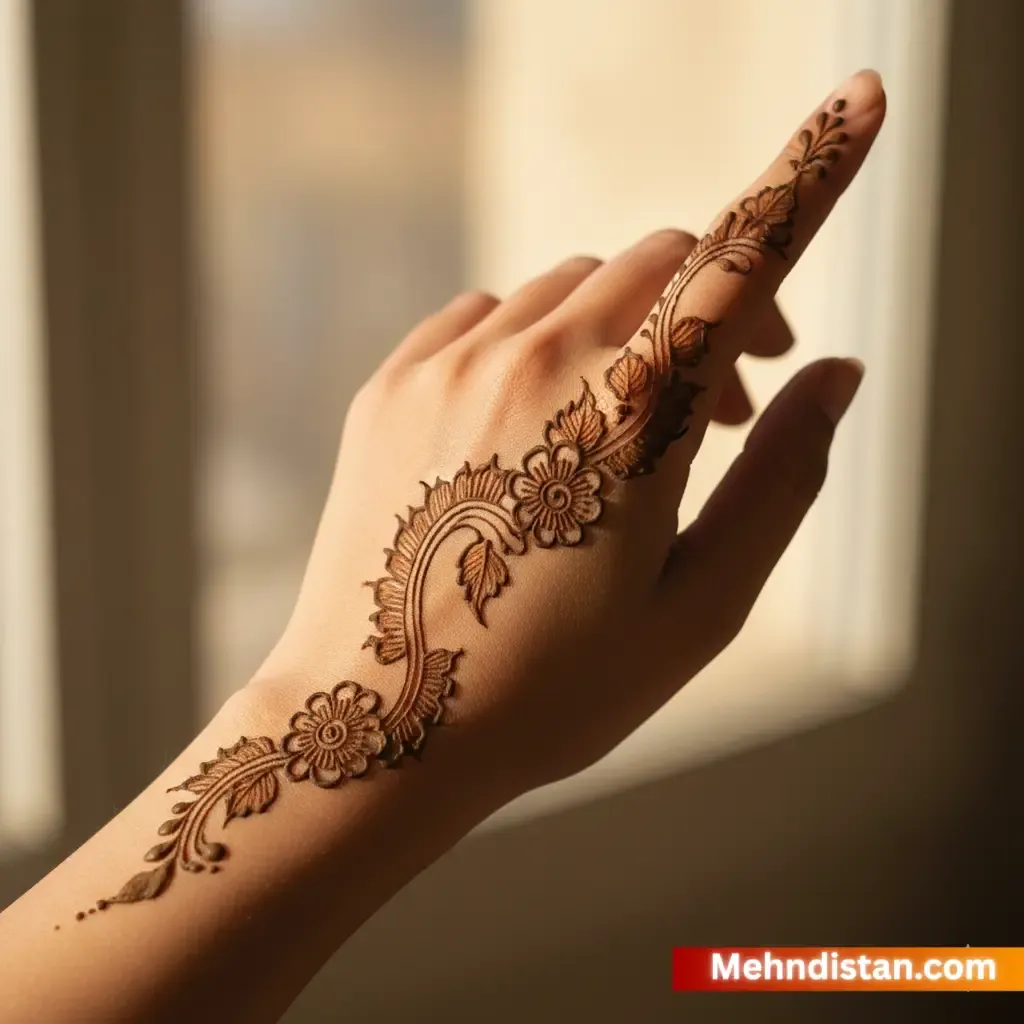
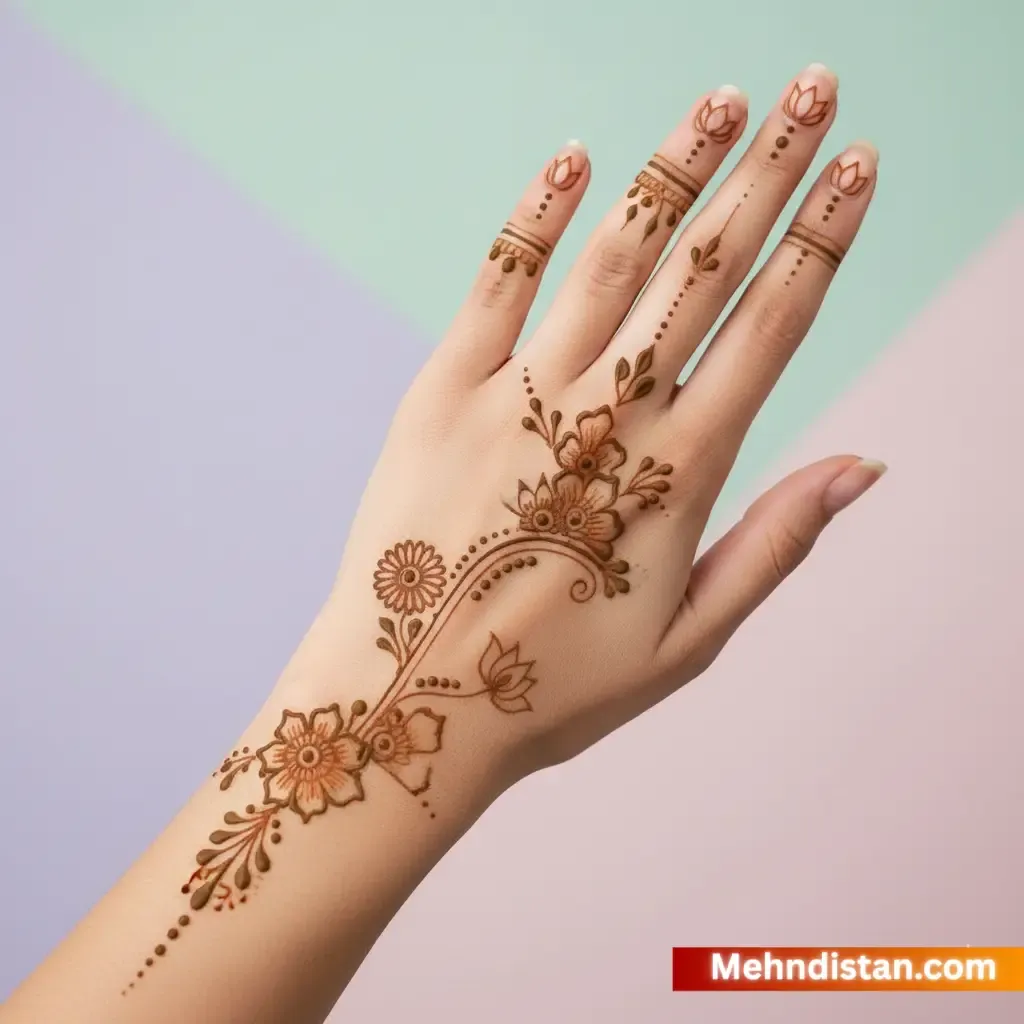
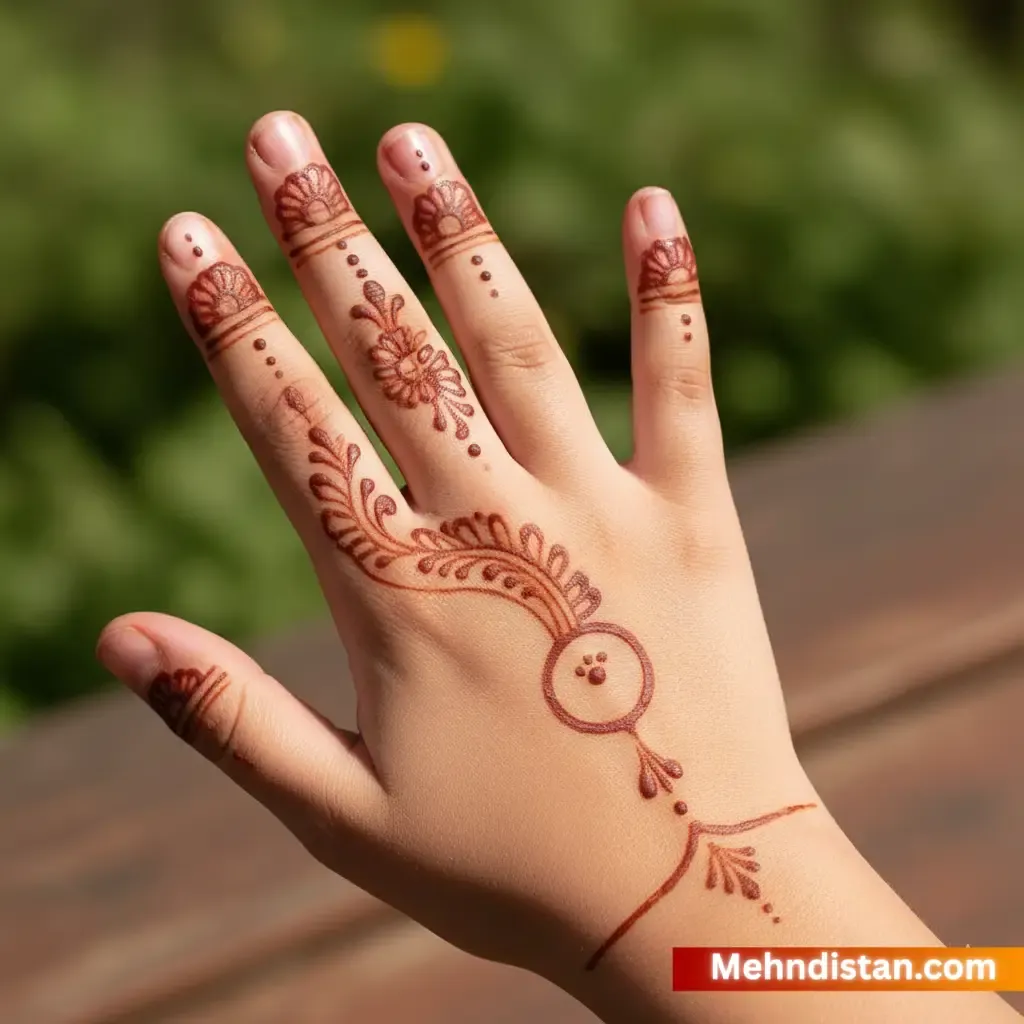
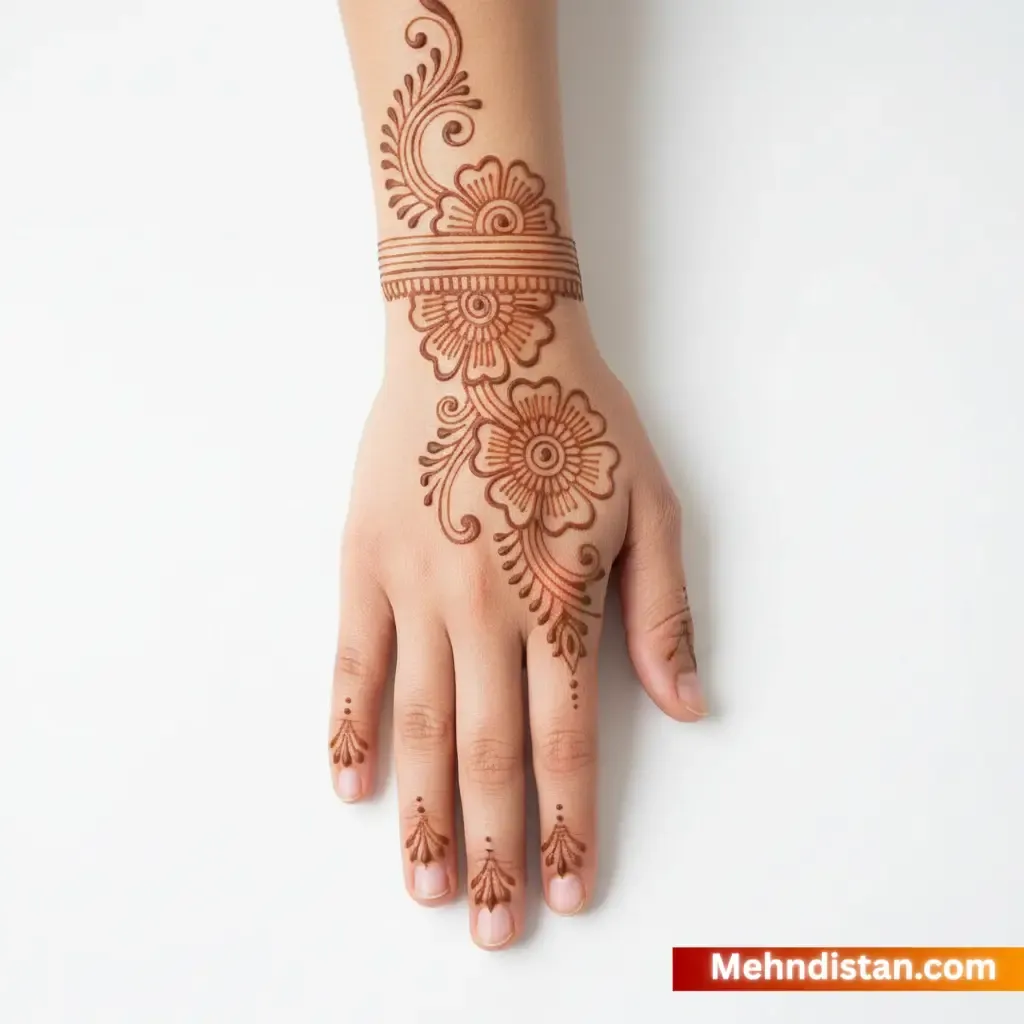
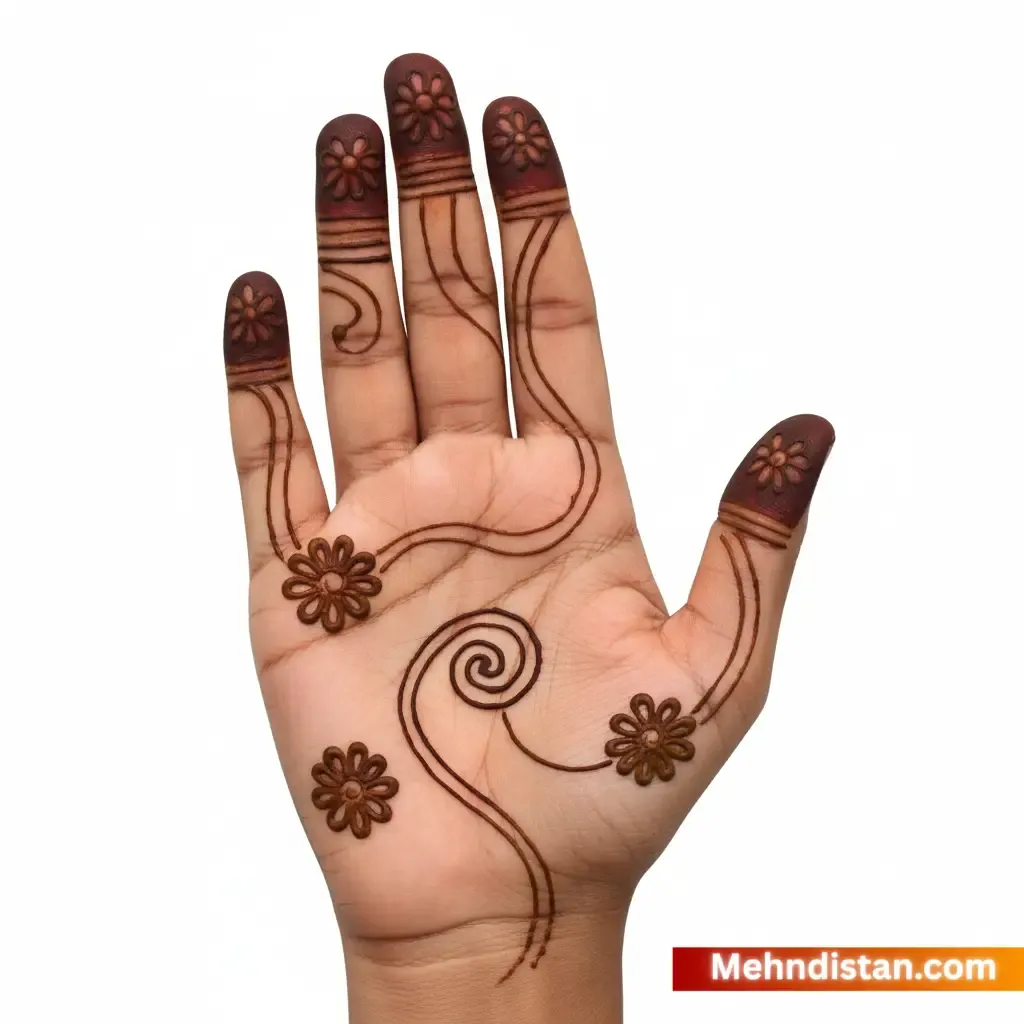
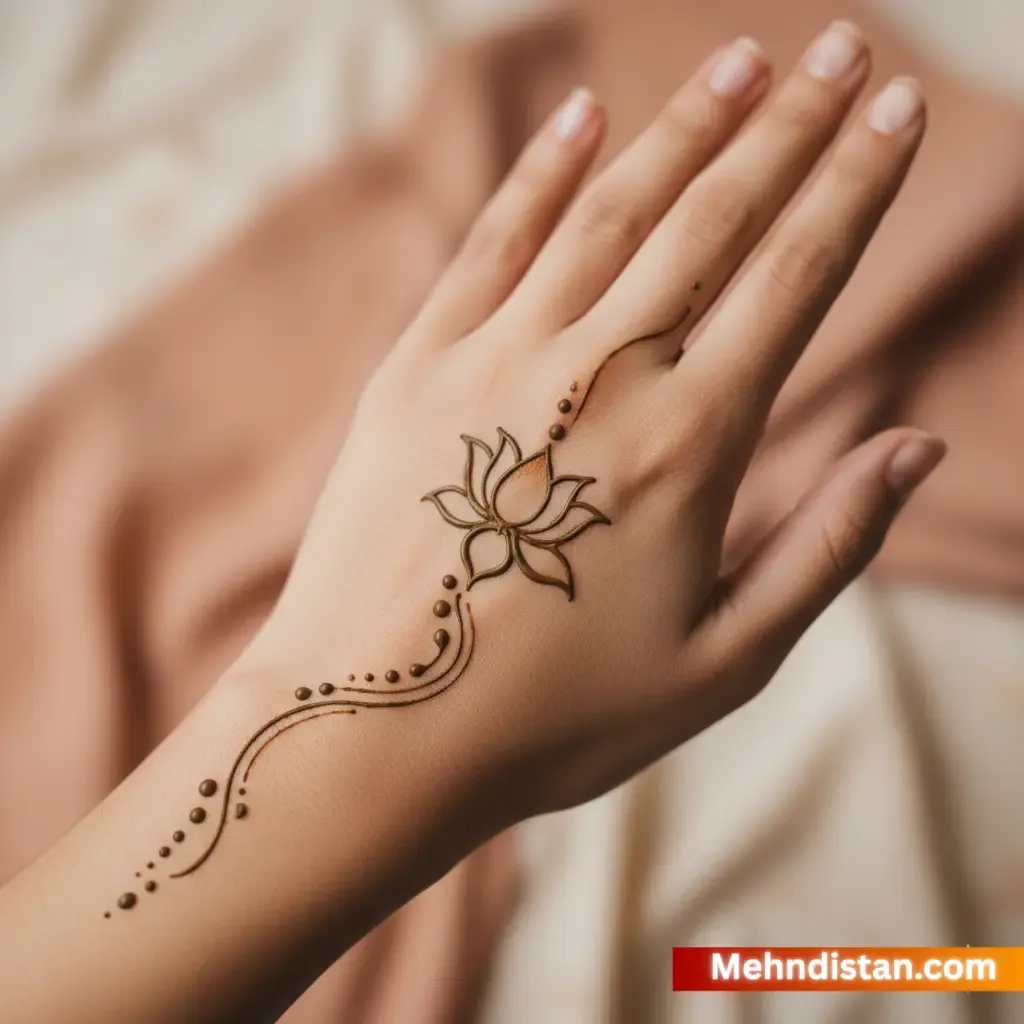
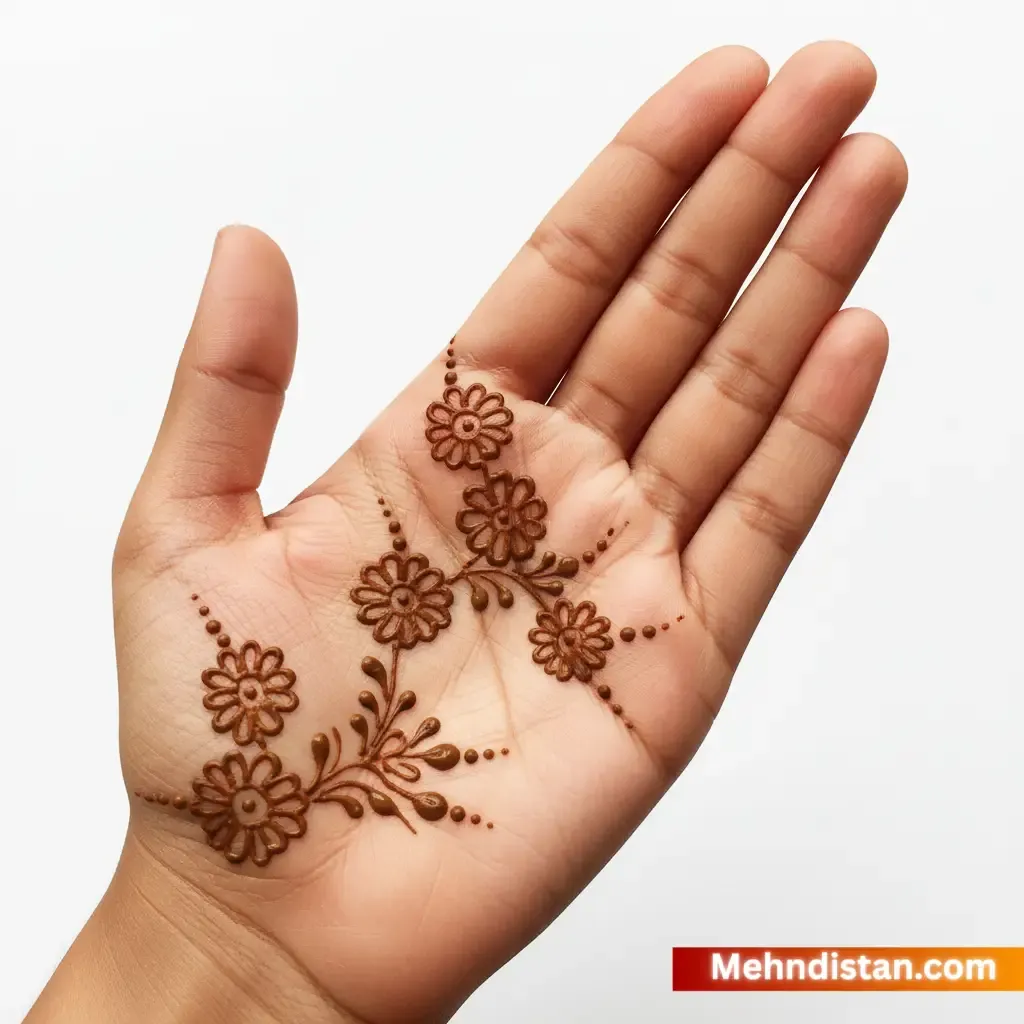
Simple Girl Mehndi Design
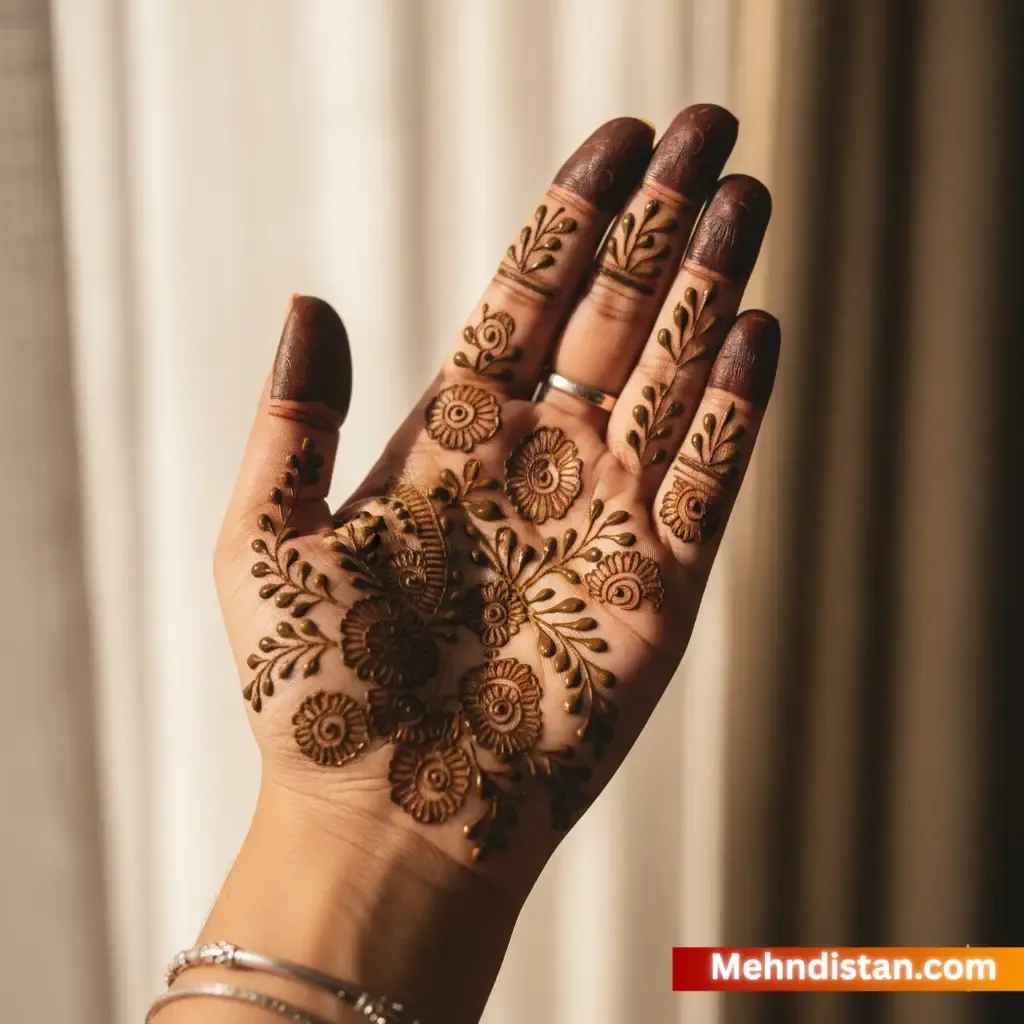
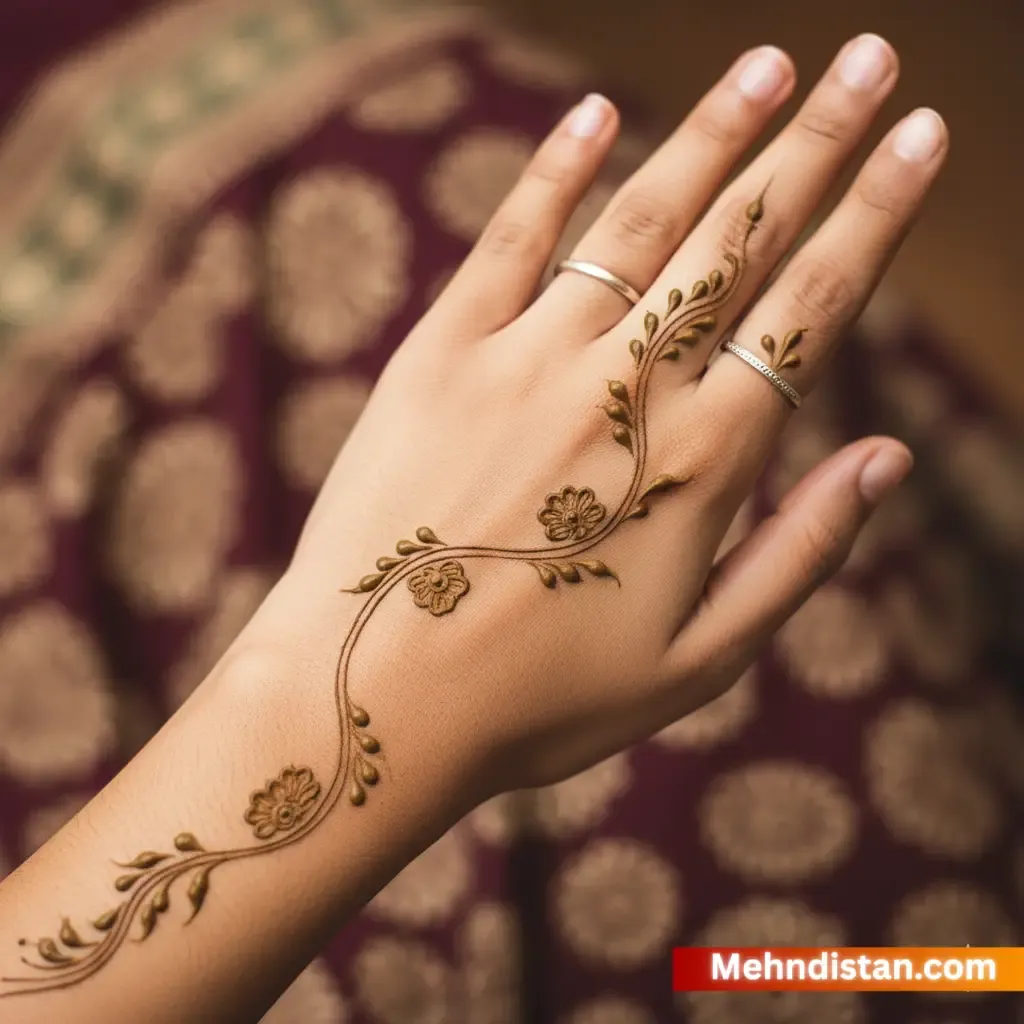
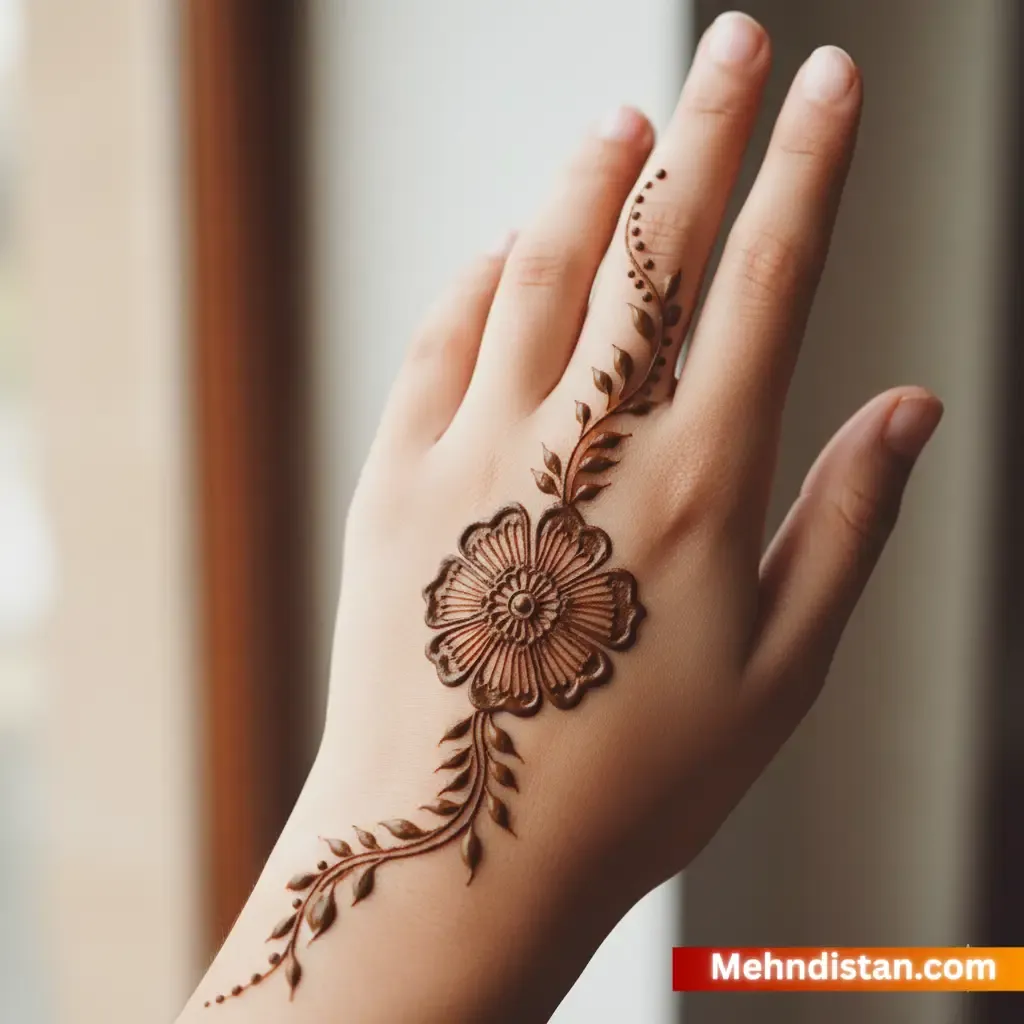
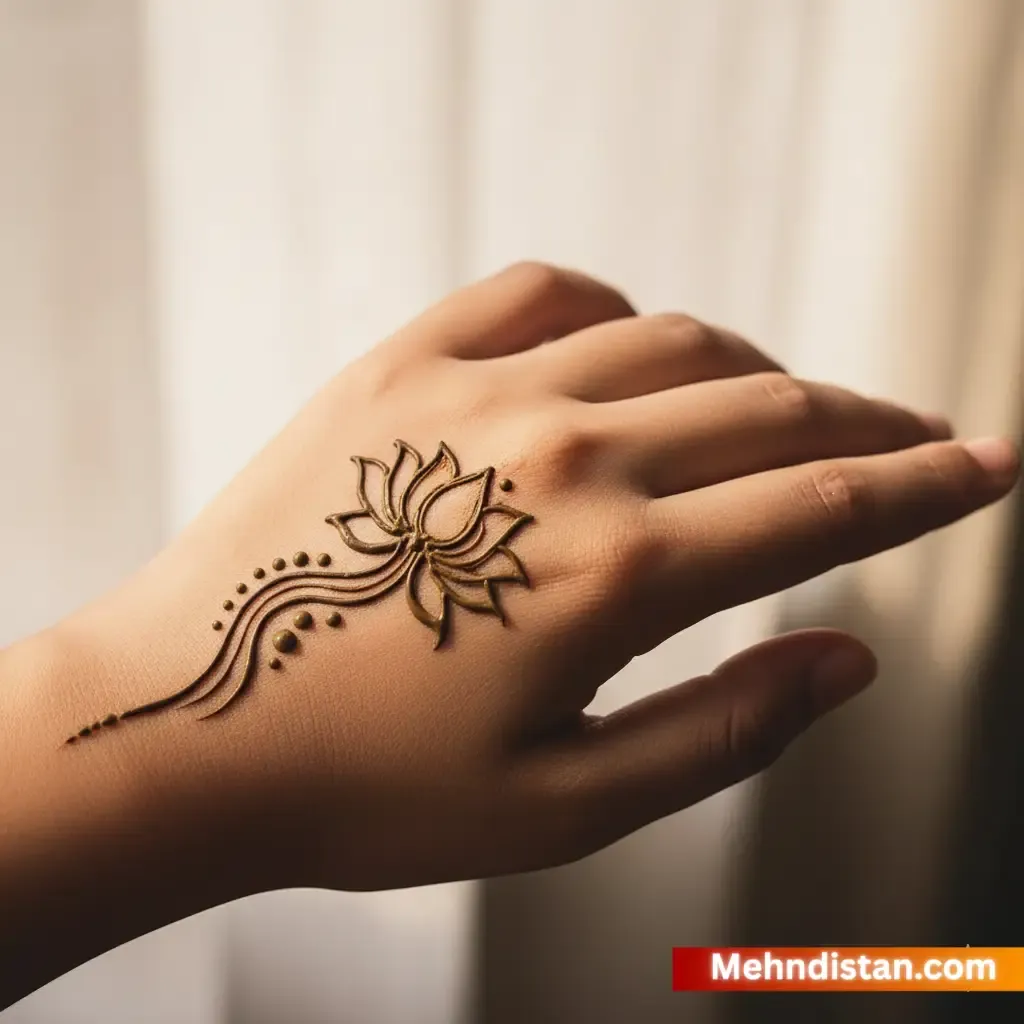
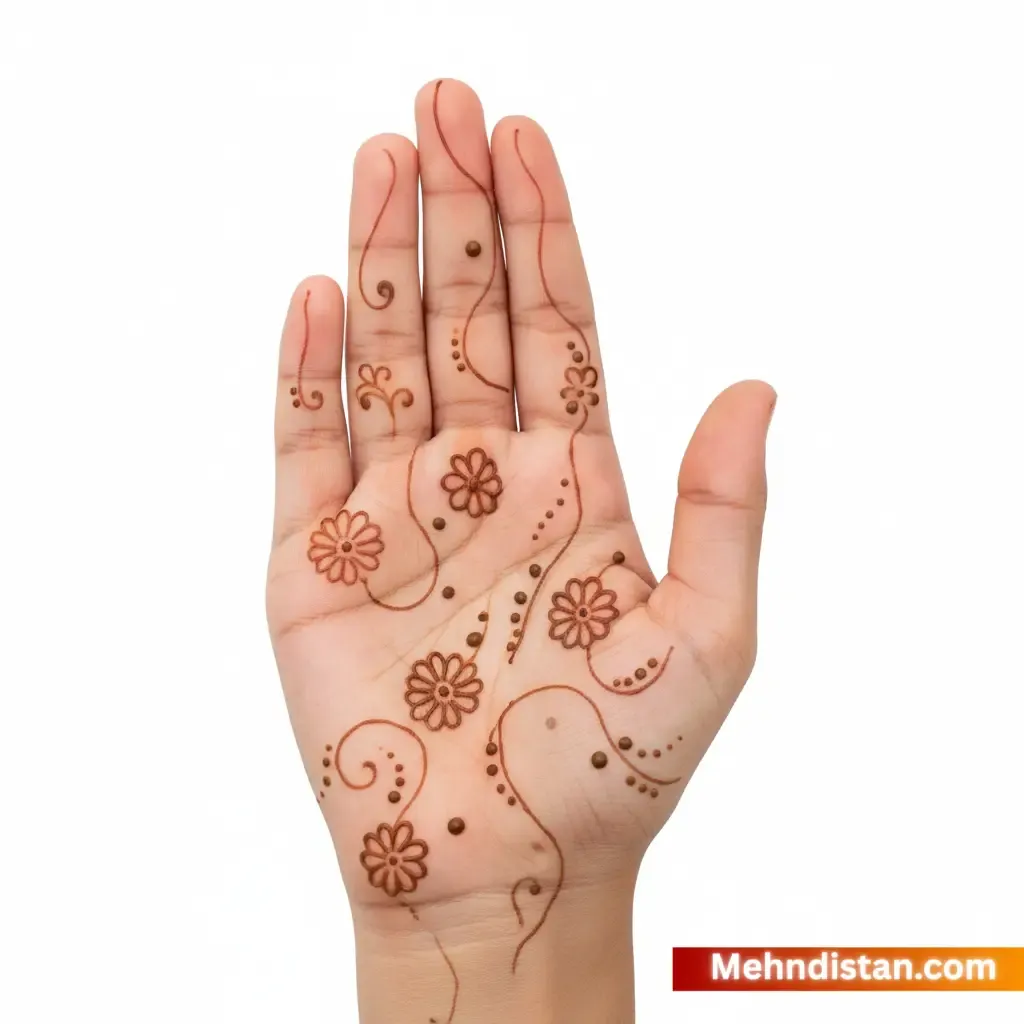
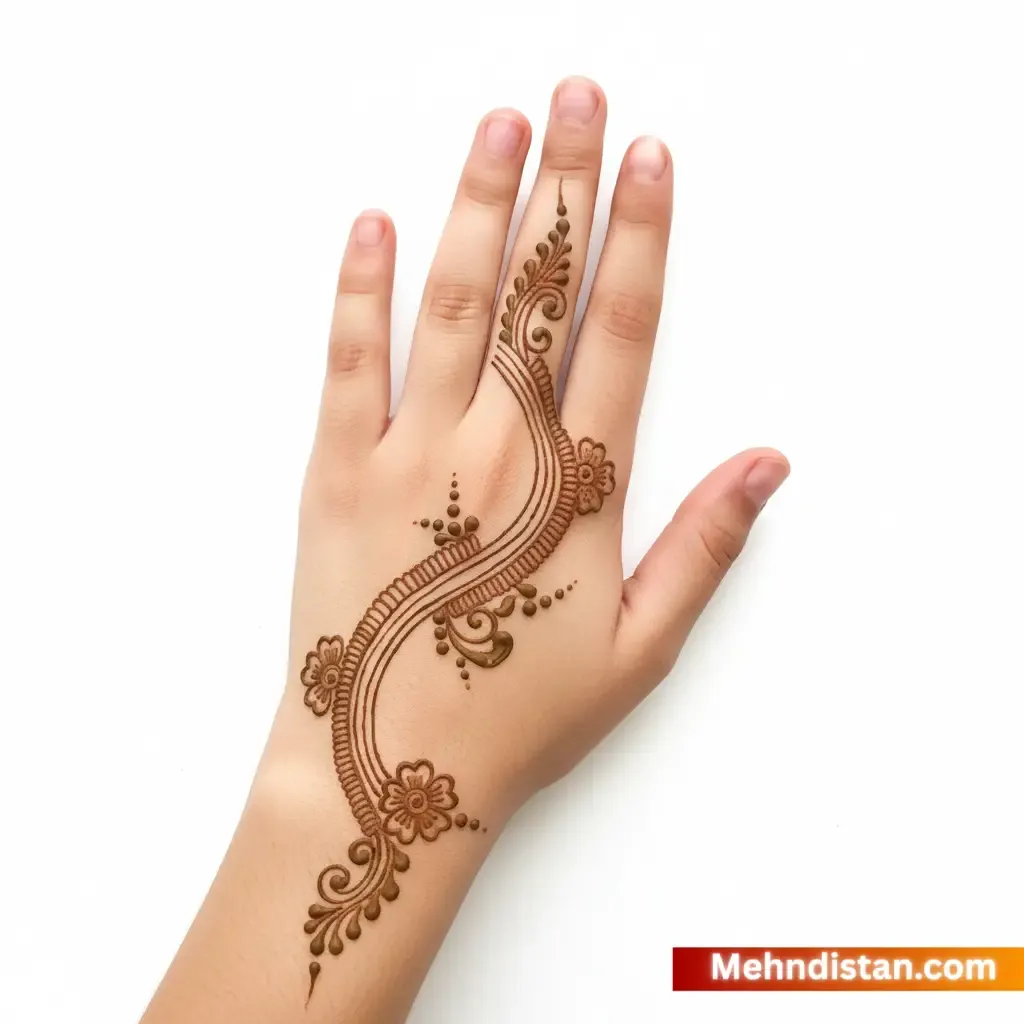
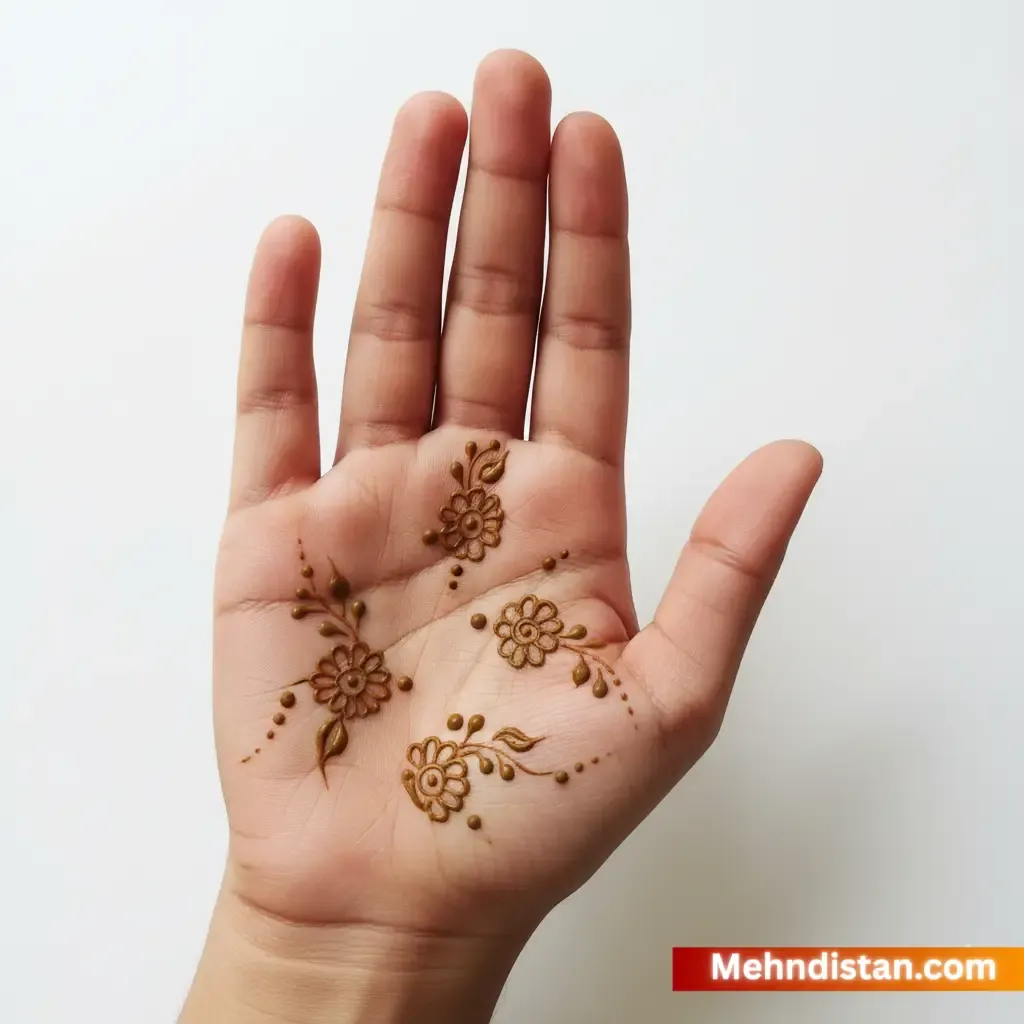
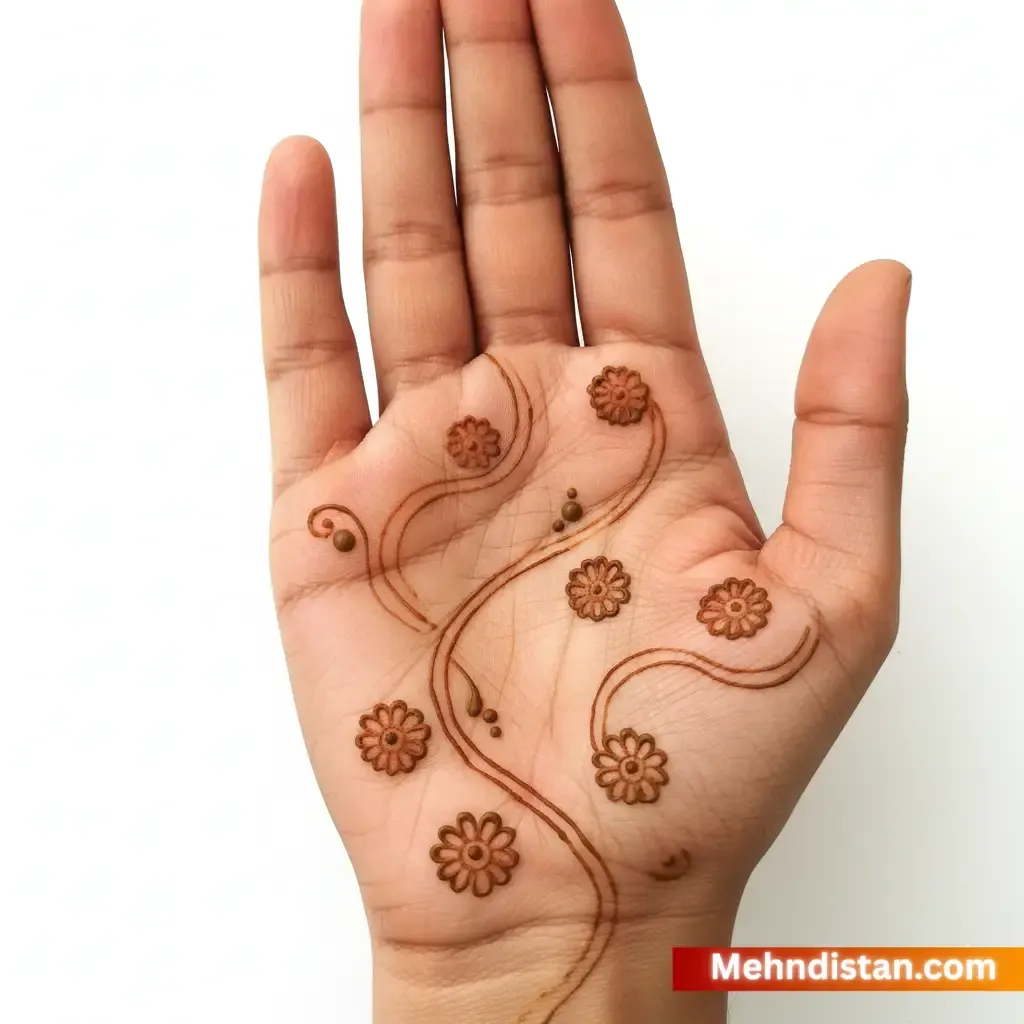
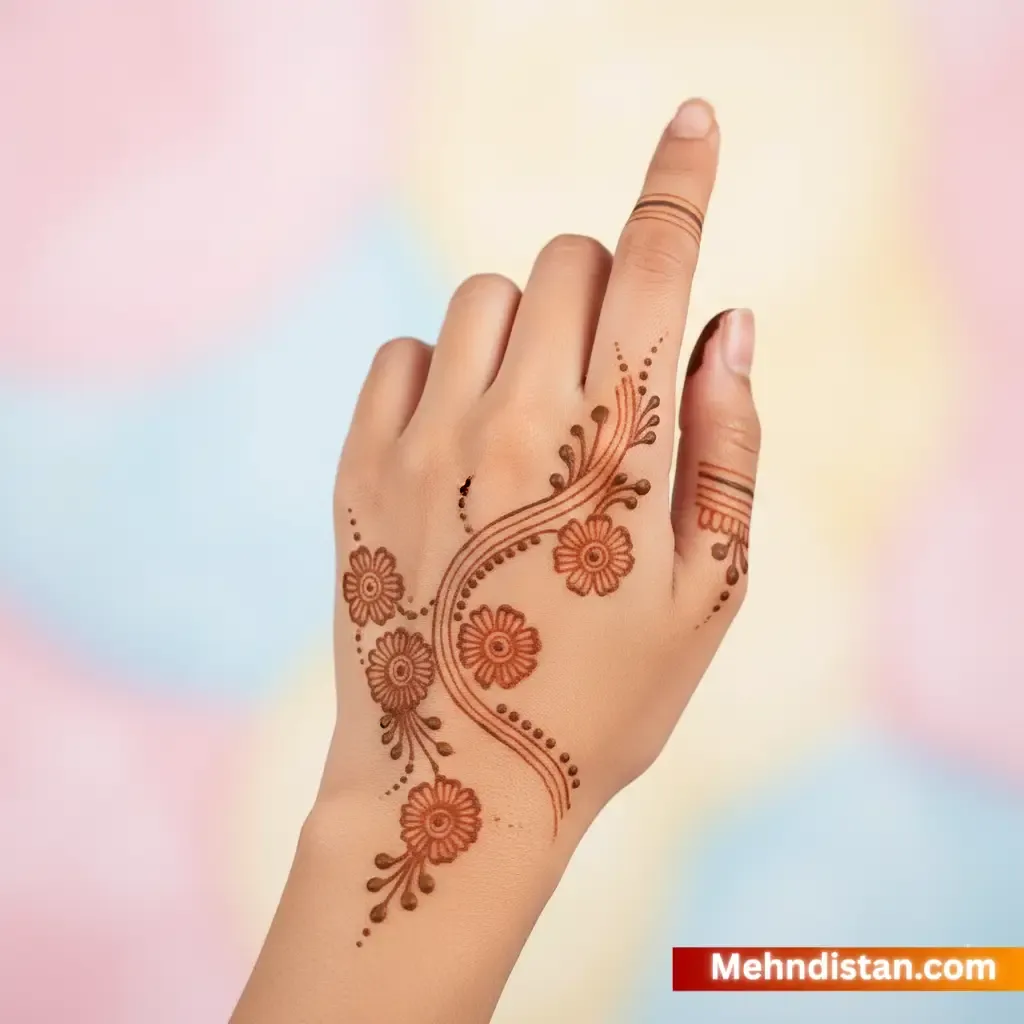
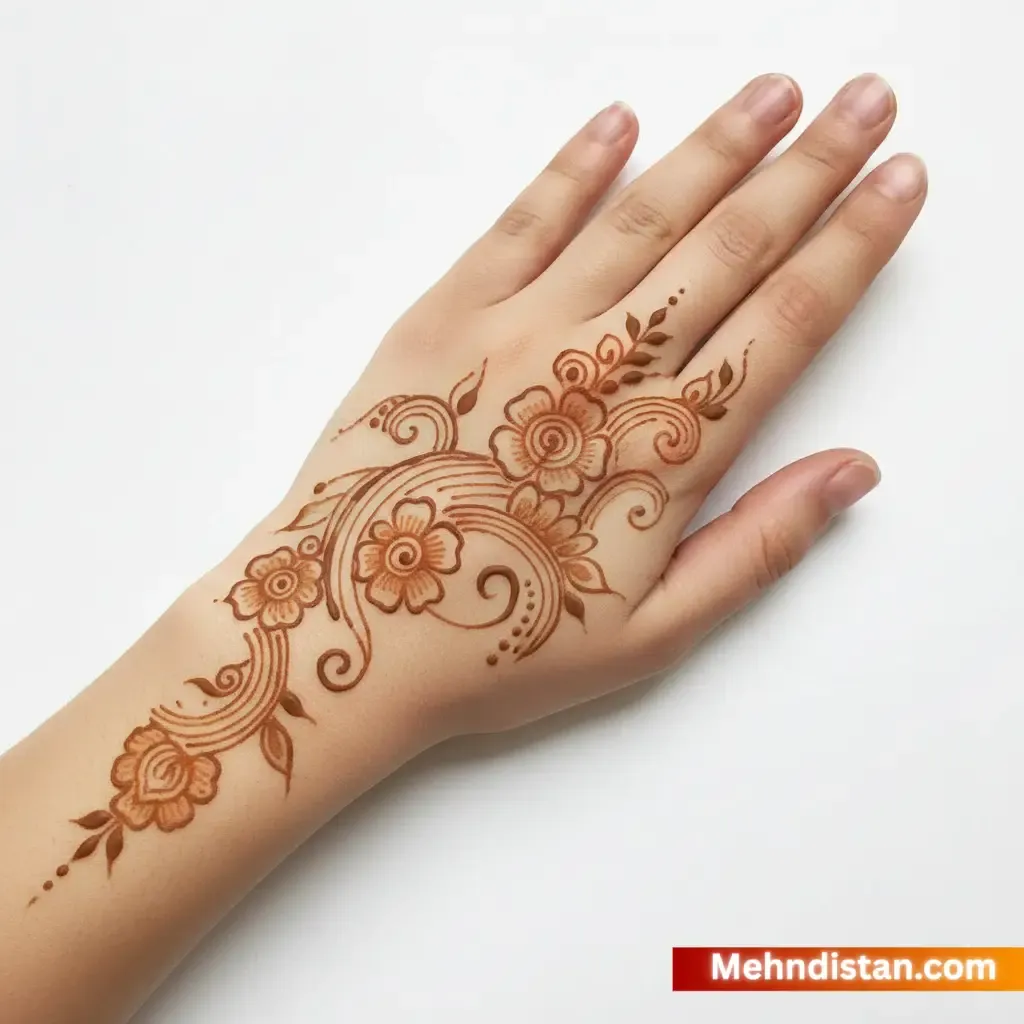
For a simple girl mehndi design, I prefer a clean outline with a few recognizable motifs rather than filling every space. Flowers, leafy trails, small mandalas, dots, and a single statement motif are easy choices for beginners and daily wear.
How I keep simple designs neat
- I use a cone with a comfortable, controlled tip.
- I sketch the main placement mentally before starting.
- I leave enough open space so the pattern stays readable.
I also avoid rushing the fine details. Even a small design looks polished when the lines, spacing, and repeated shapes stay consistent.
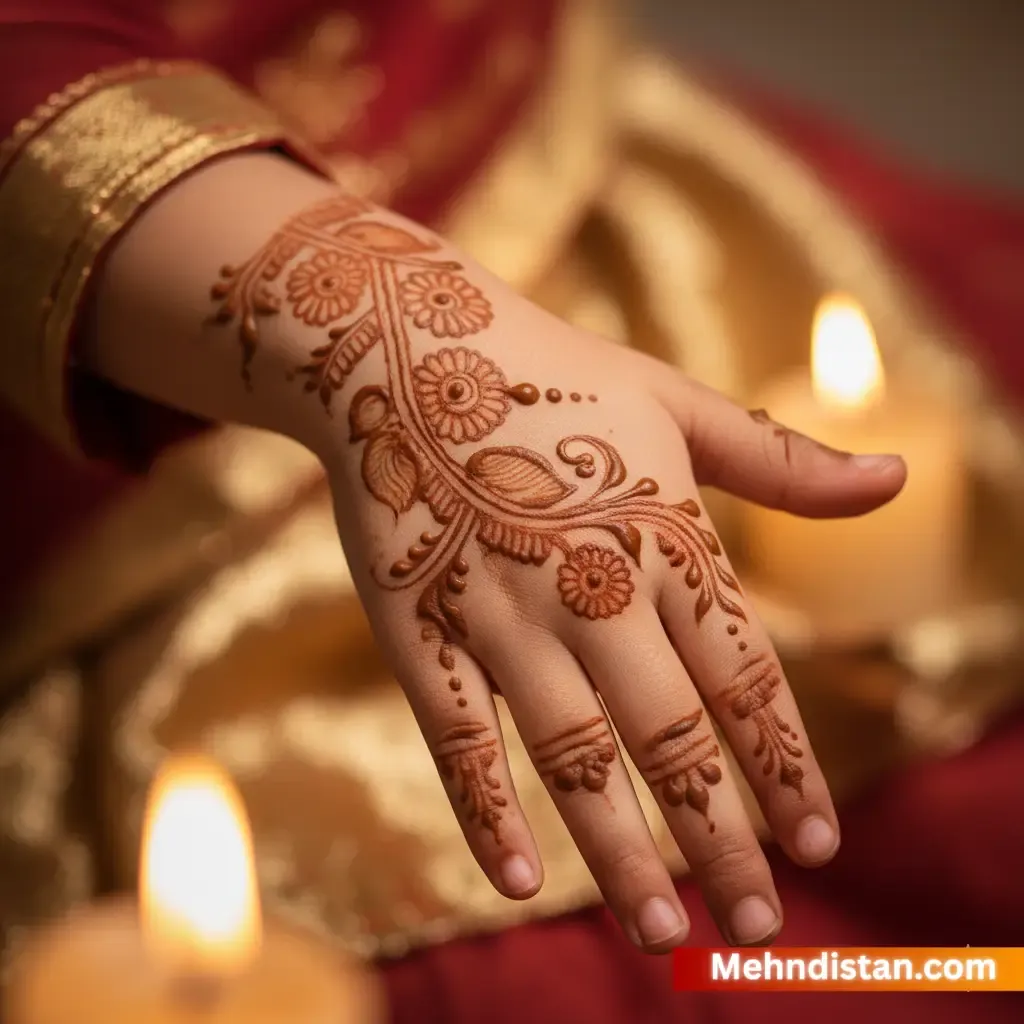
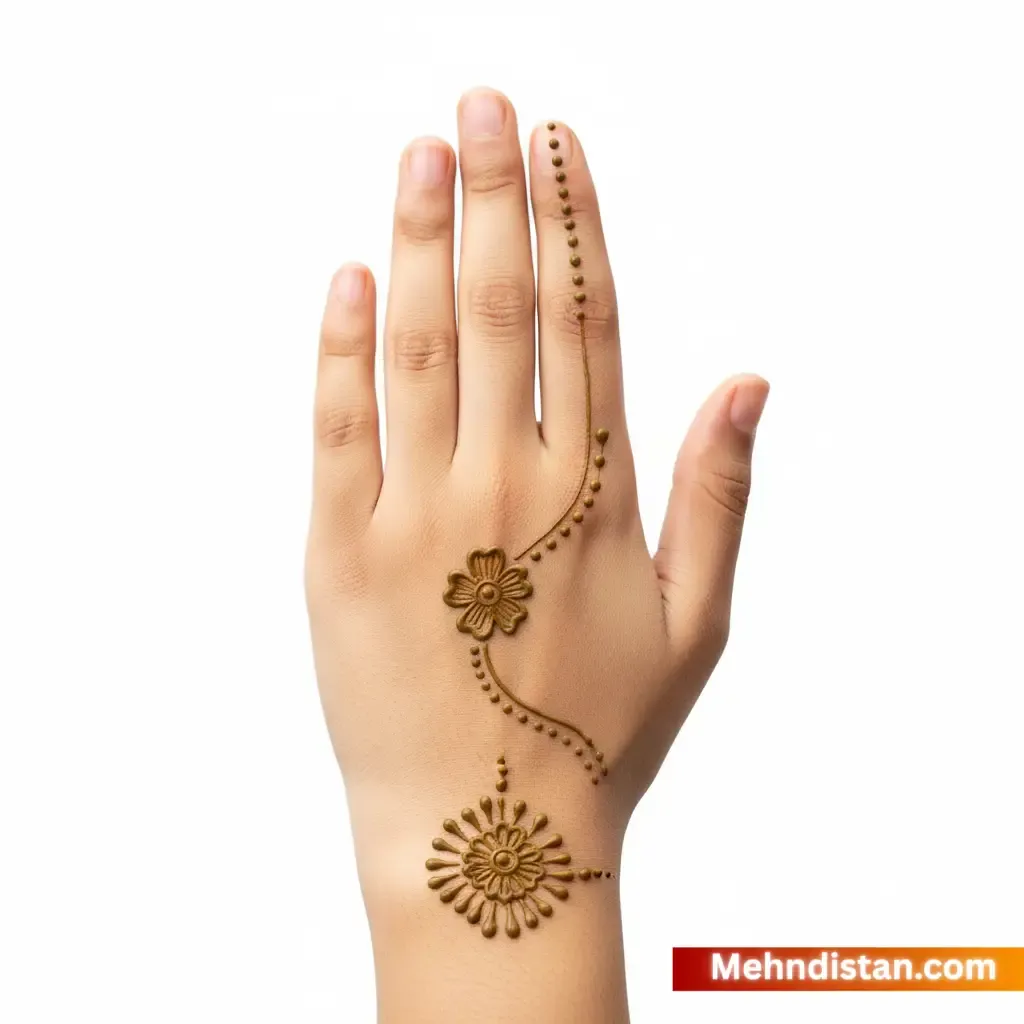
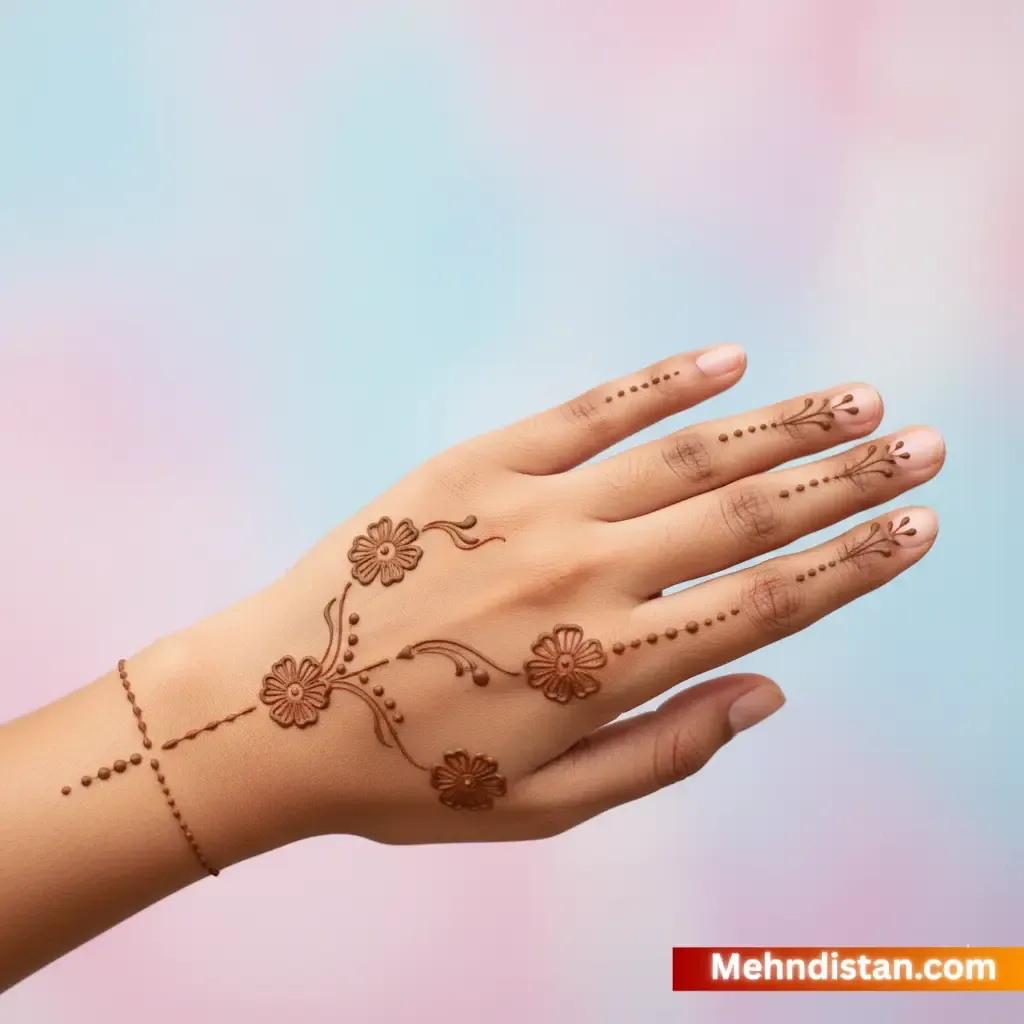
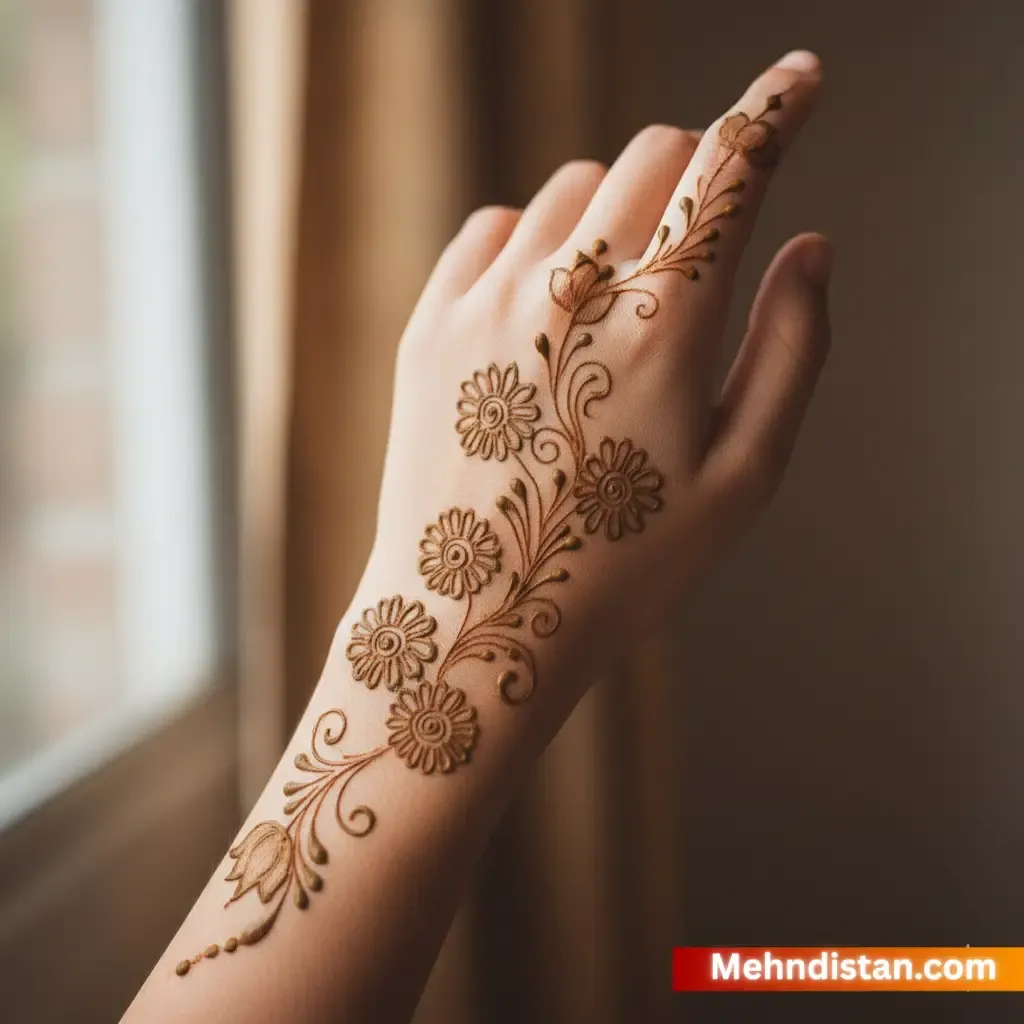
Small Girl Mehndi Design Full Hand
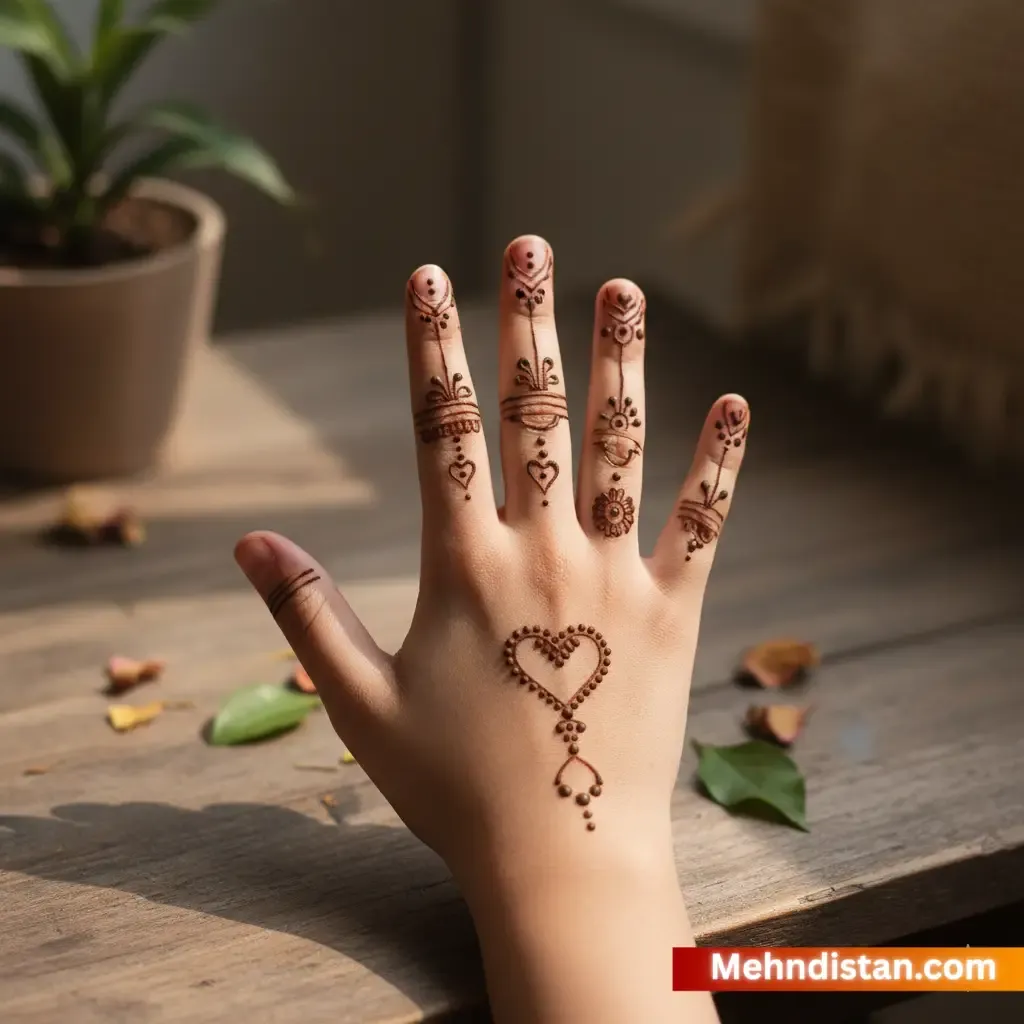
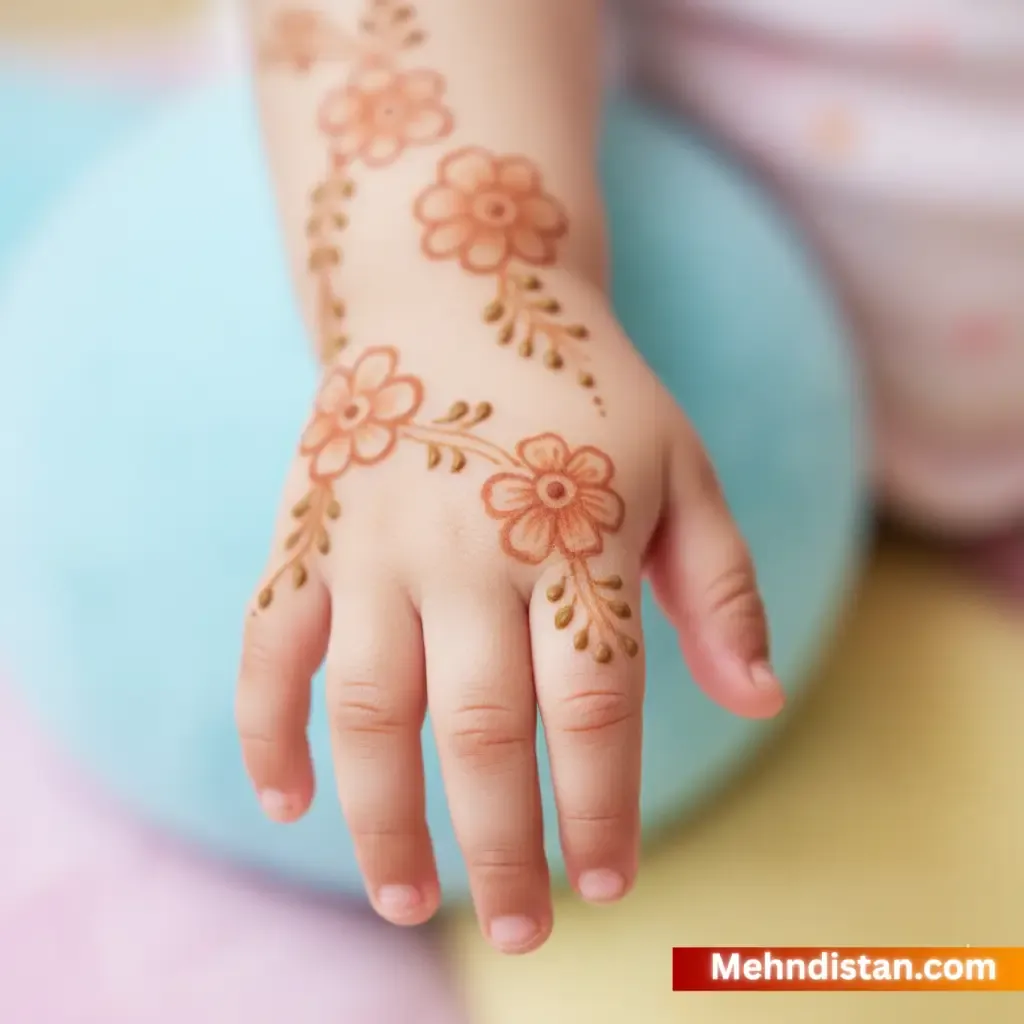
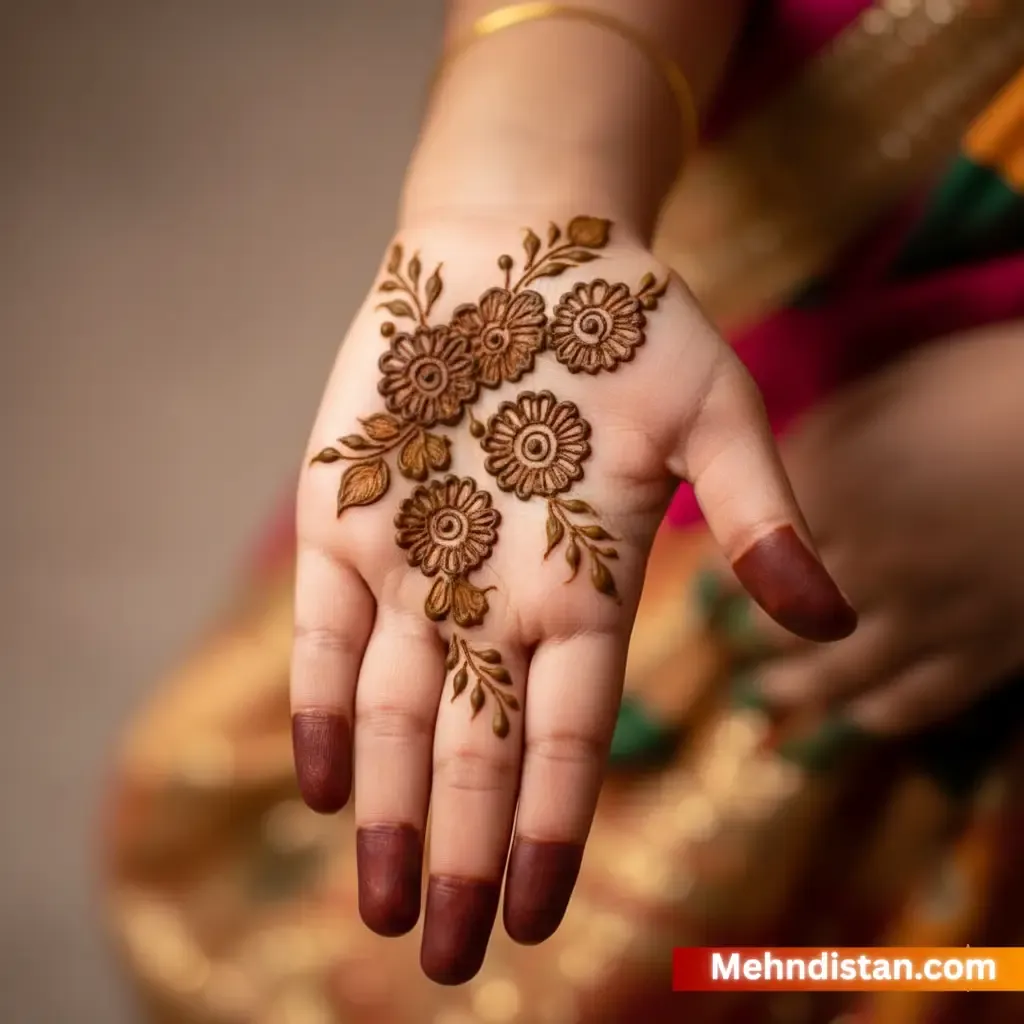
When I choose a full-hand design for a young girl, I keep the pattern age-appropriate, comfortable, and easy to apply. Small flowers, rounded motifs, simple vines, and wider lines can create a fuller appearance without excessive detail.
- I keep children supervised while henna is being applied and while it dries.
- I prefer fresh, natural henna from a trustworthy source.
- I avoid black henna and products containing unknown chemical dyes.
For children with sensitive skin, I would patch-test a small area first and stop if there is irritation. The design should always be secondary to comfort and skin safety.
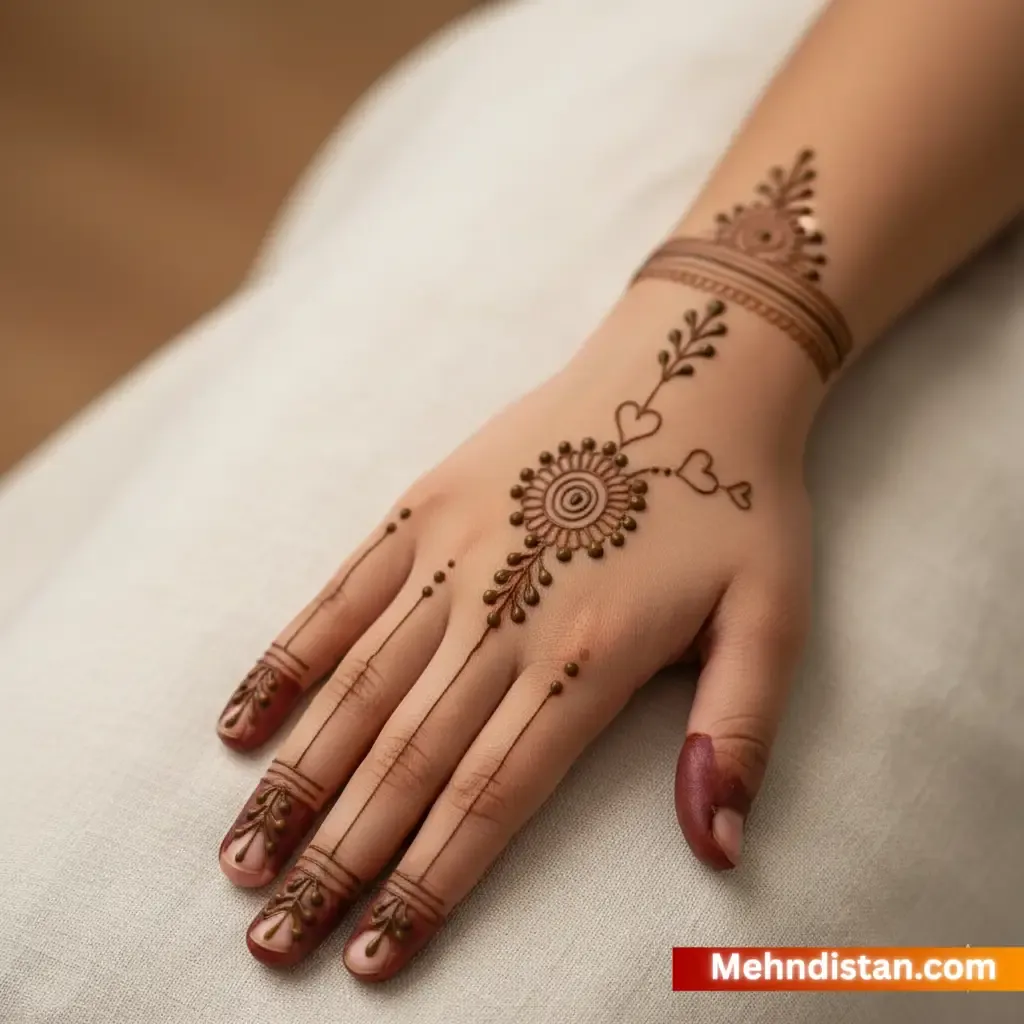
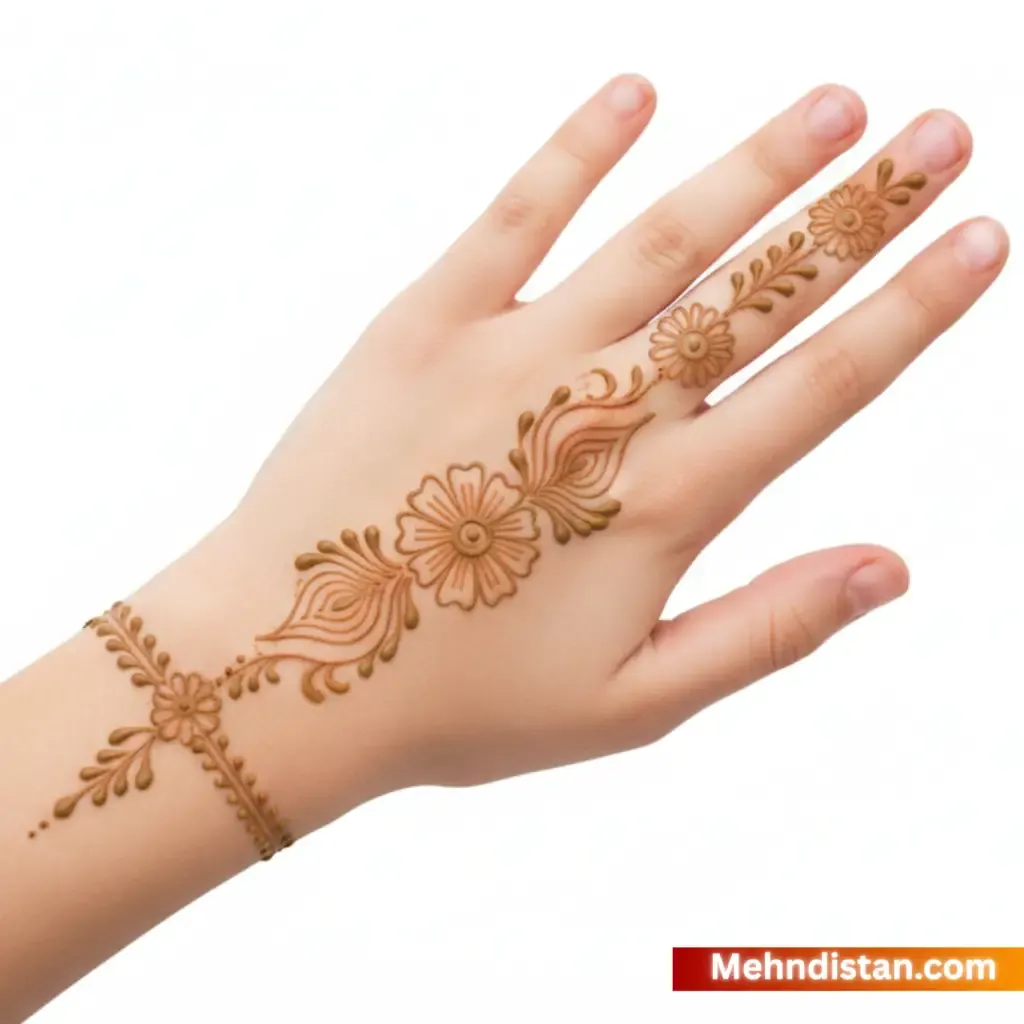
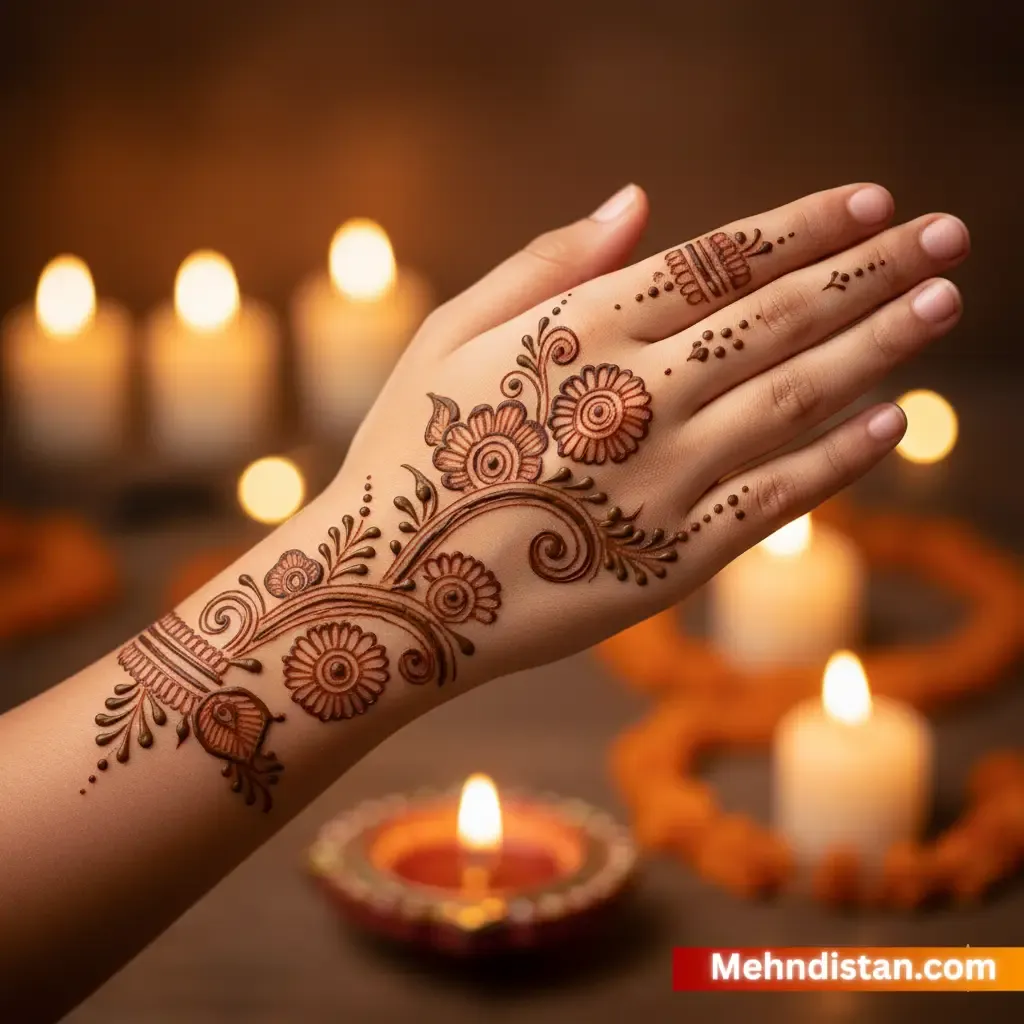
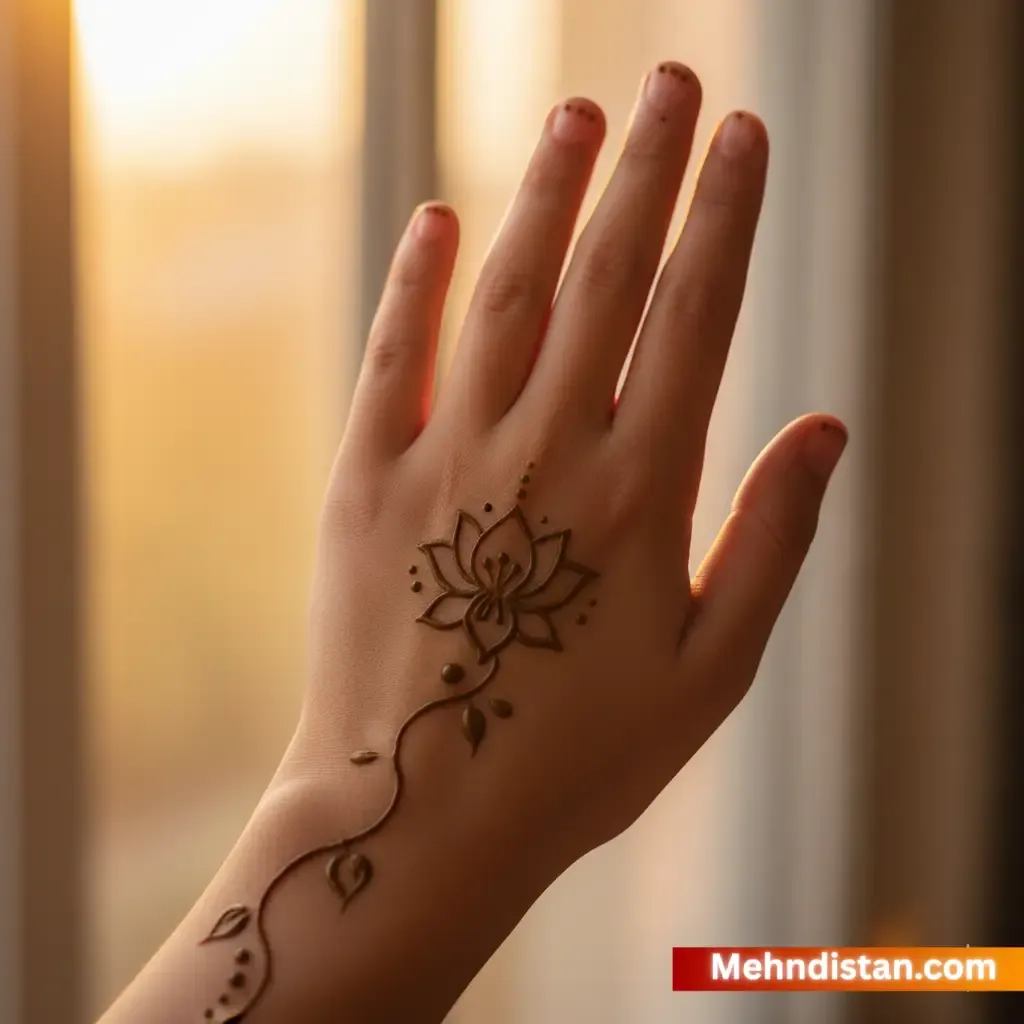
Girl Front Hand Mehndi Design
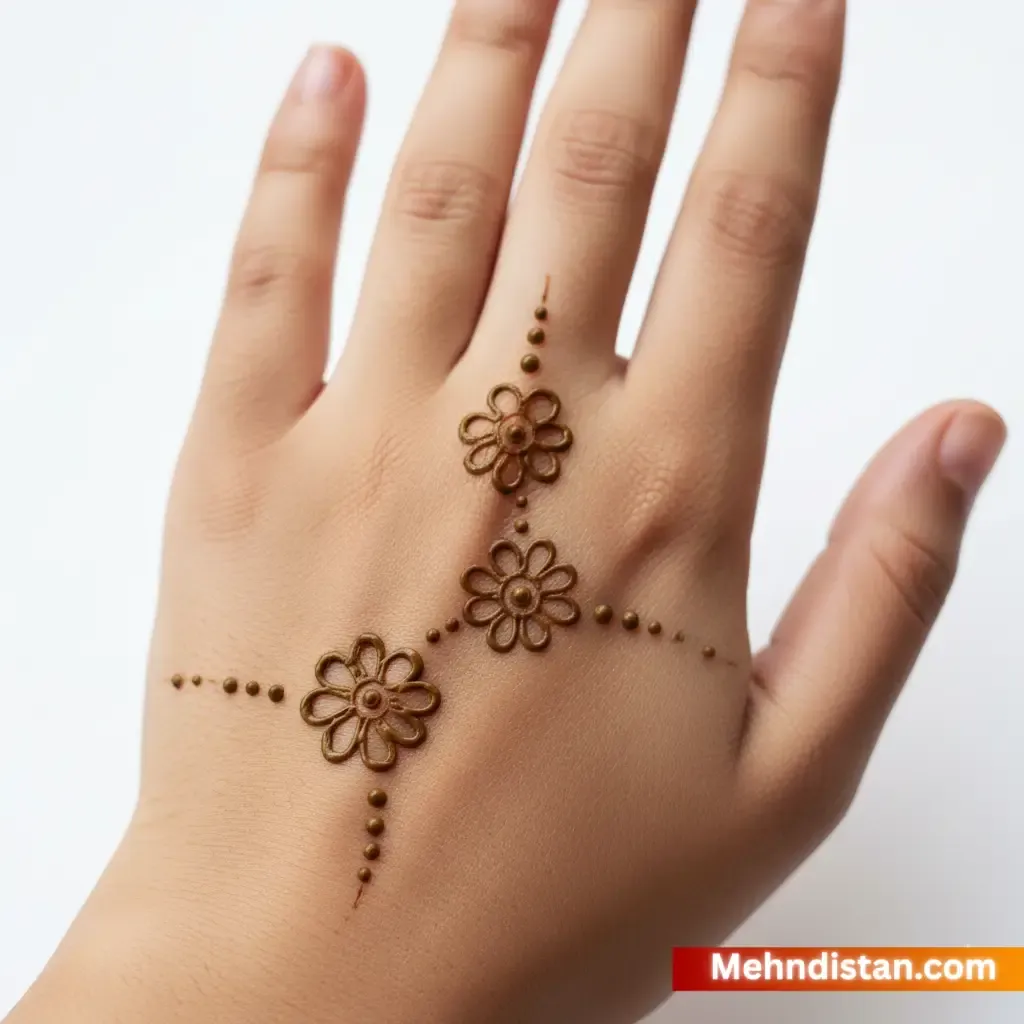
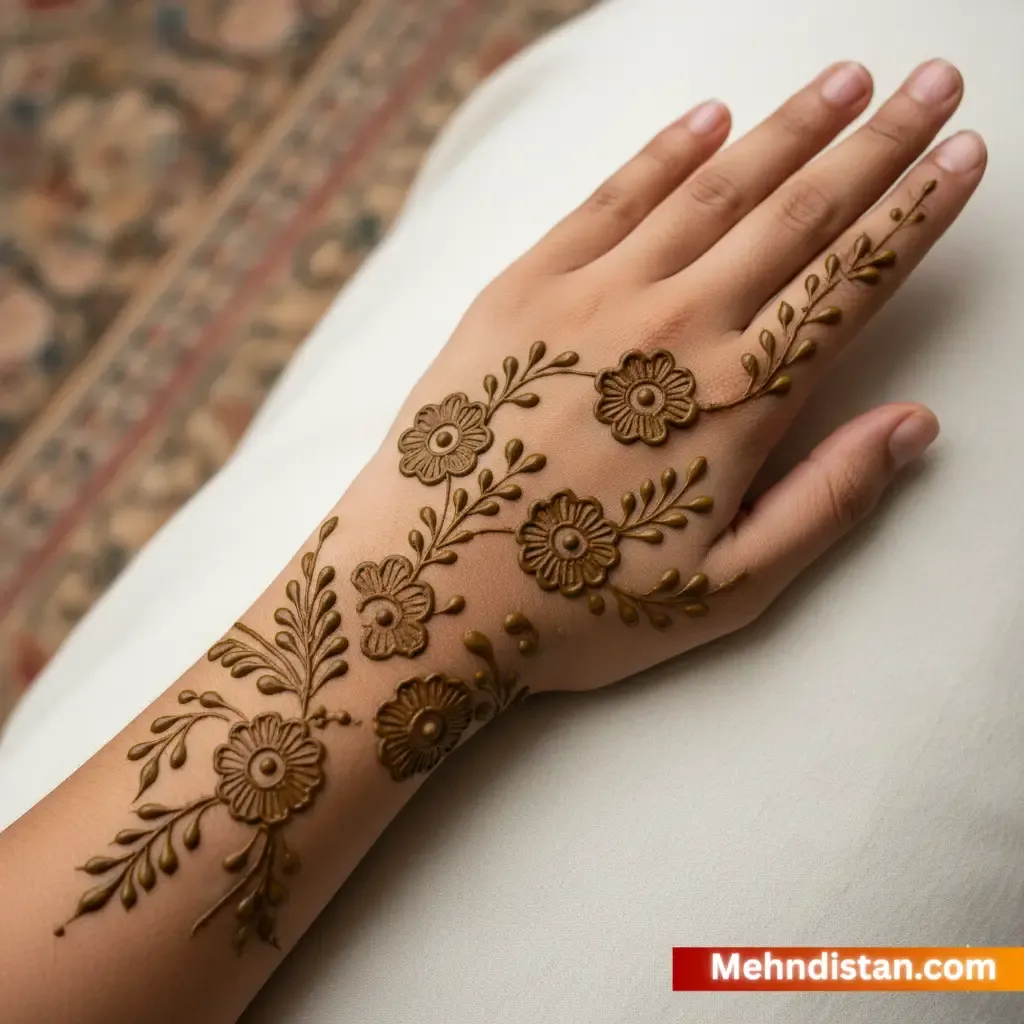
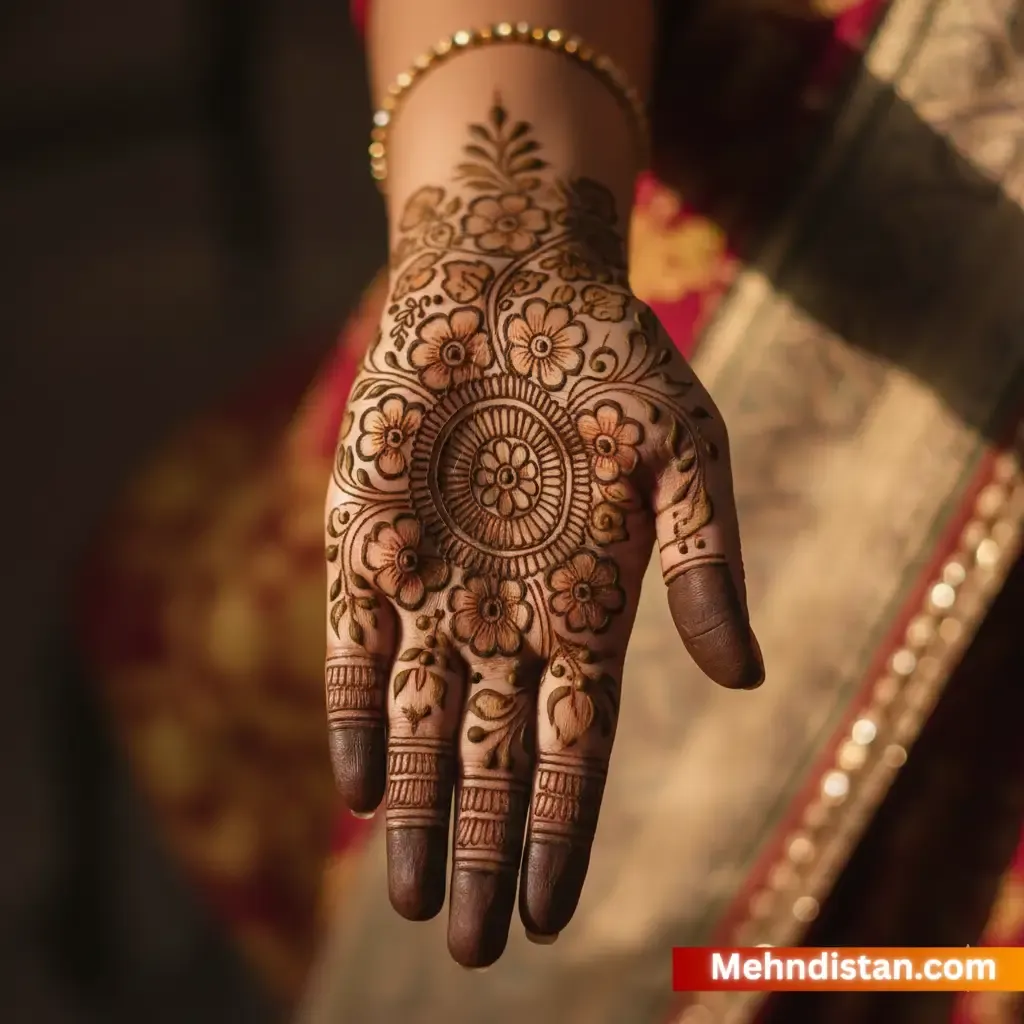
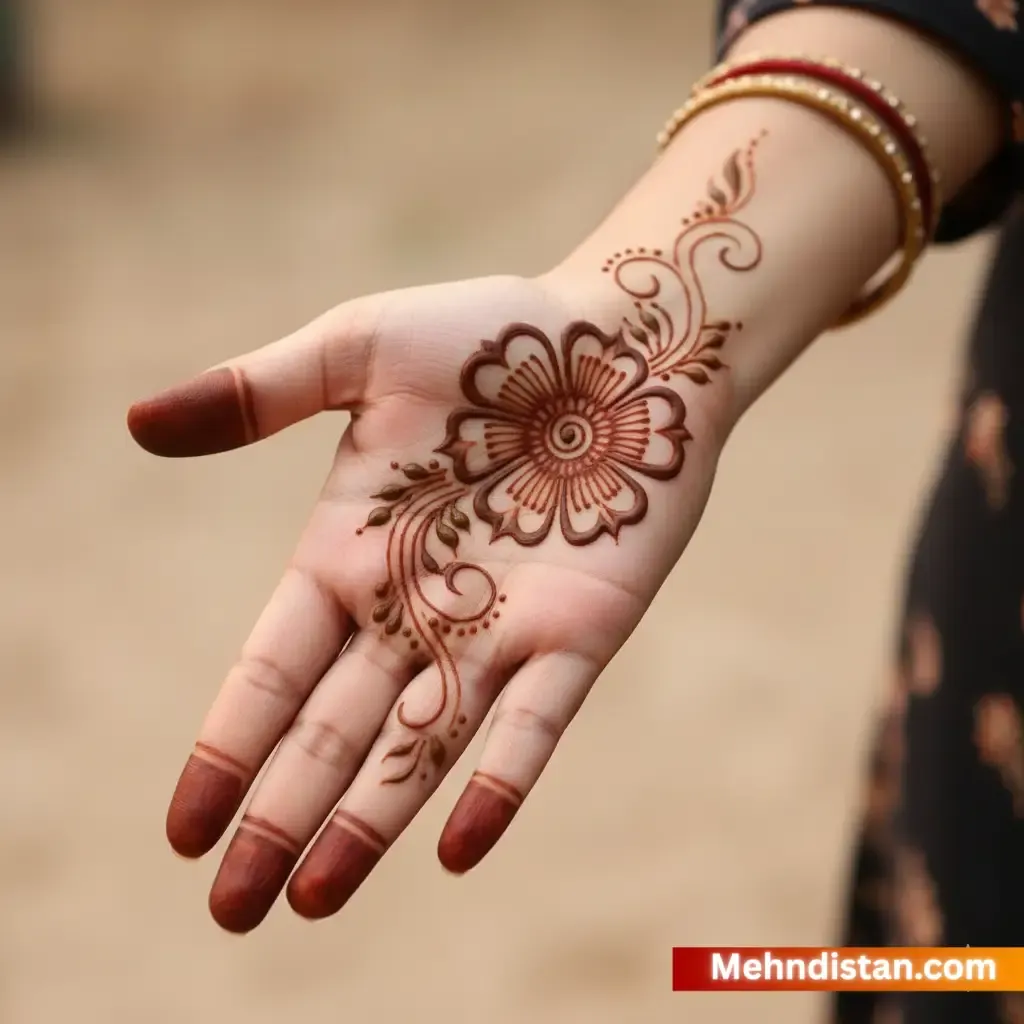
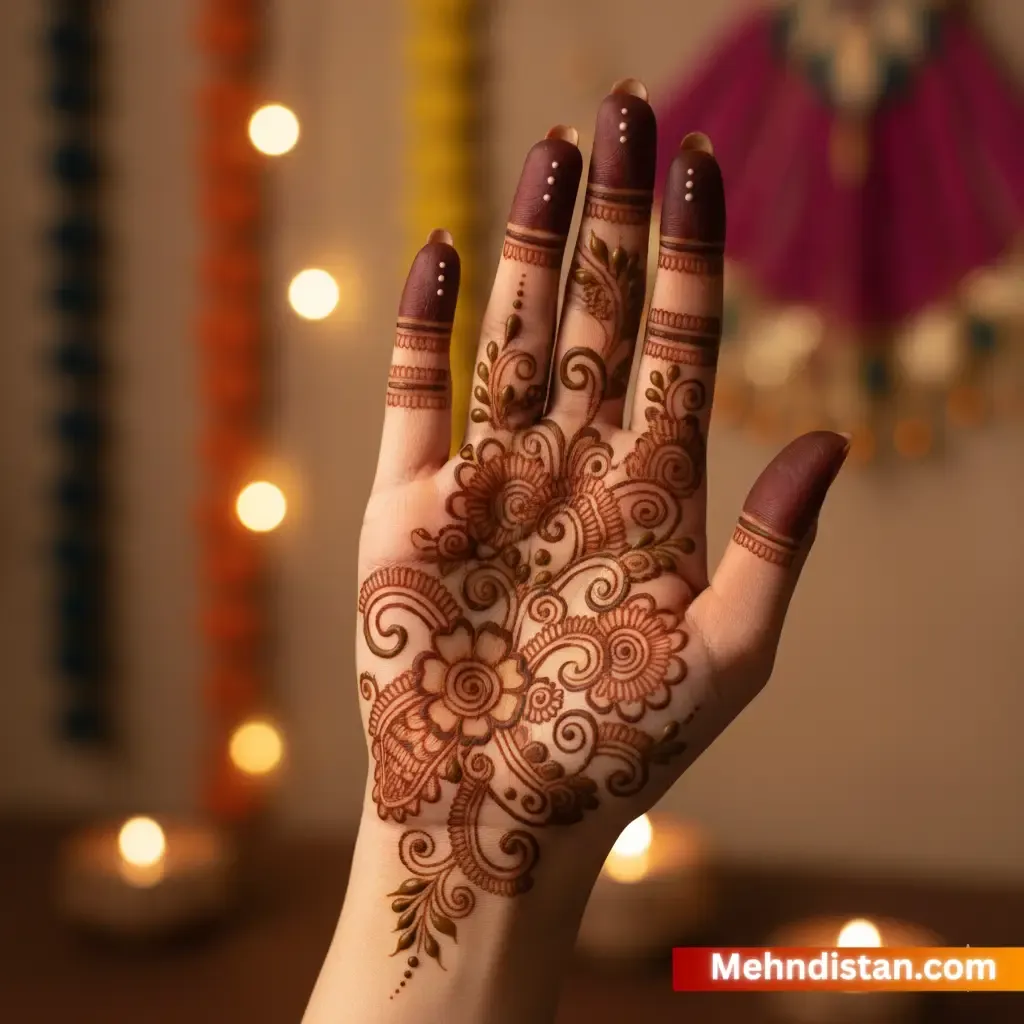
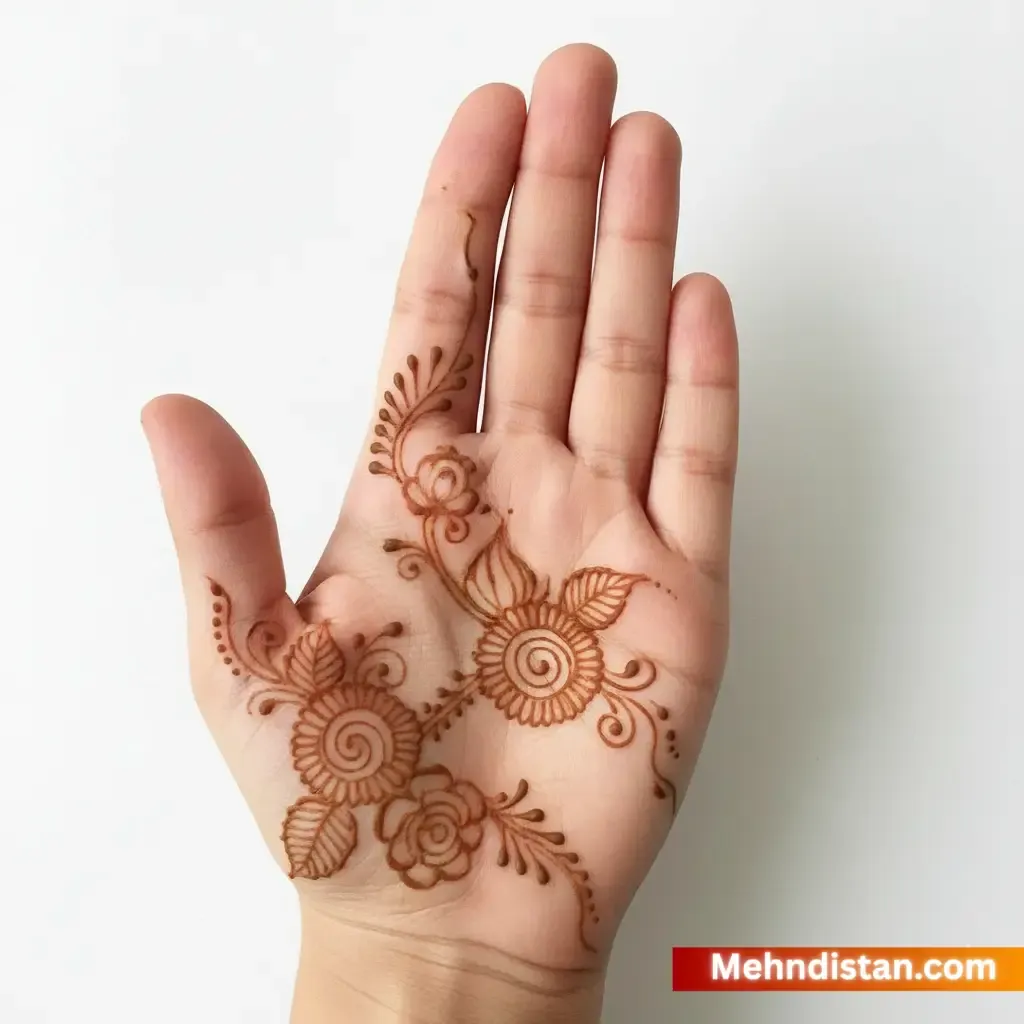
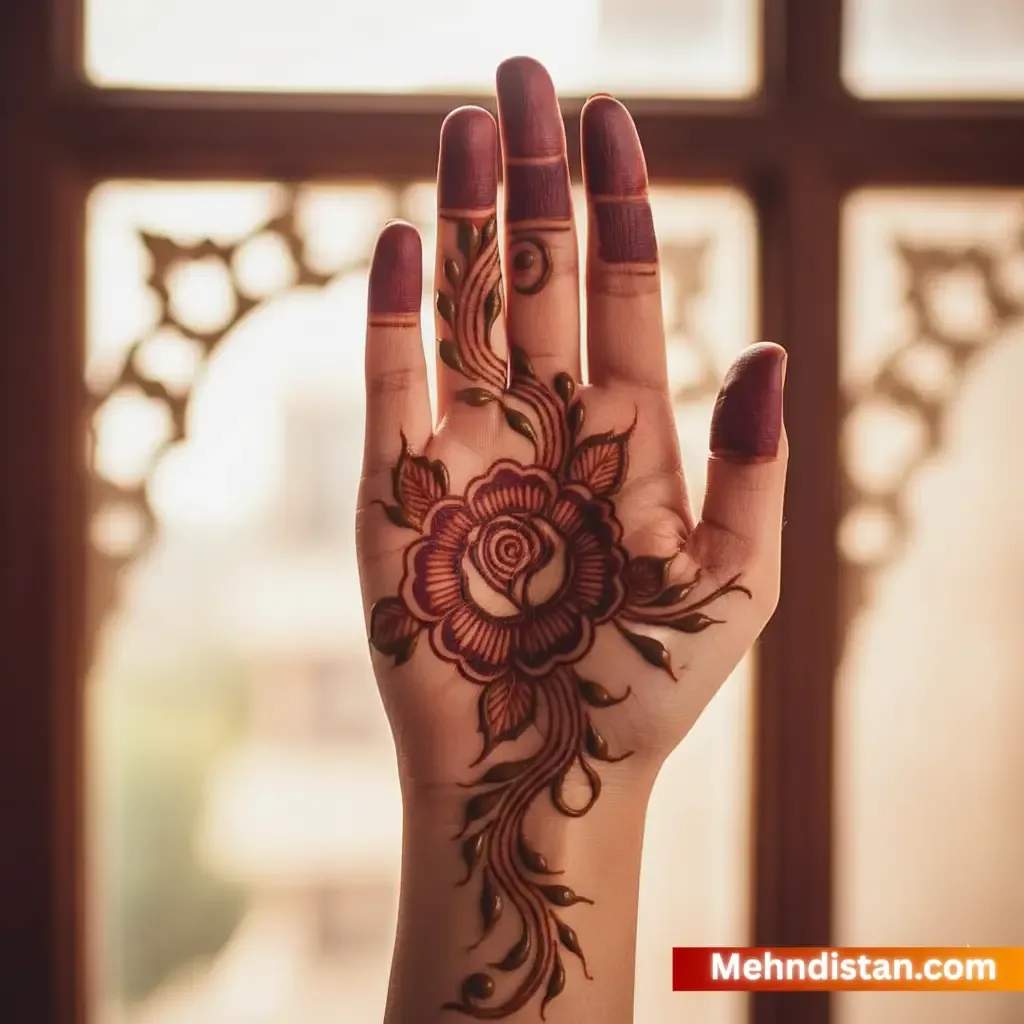
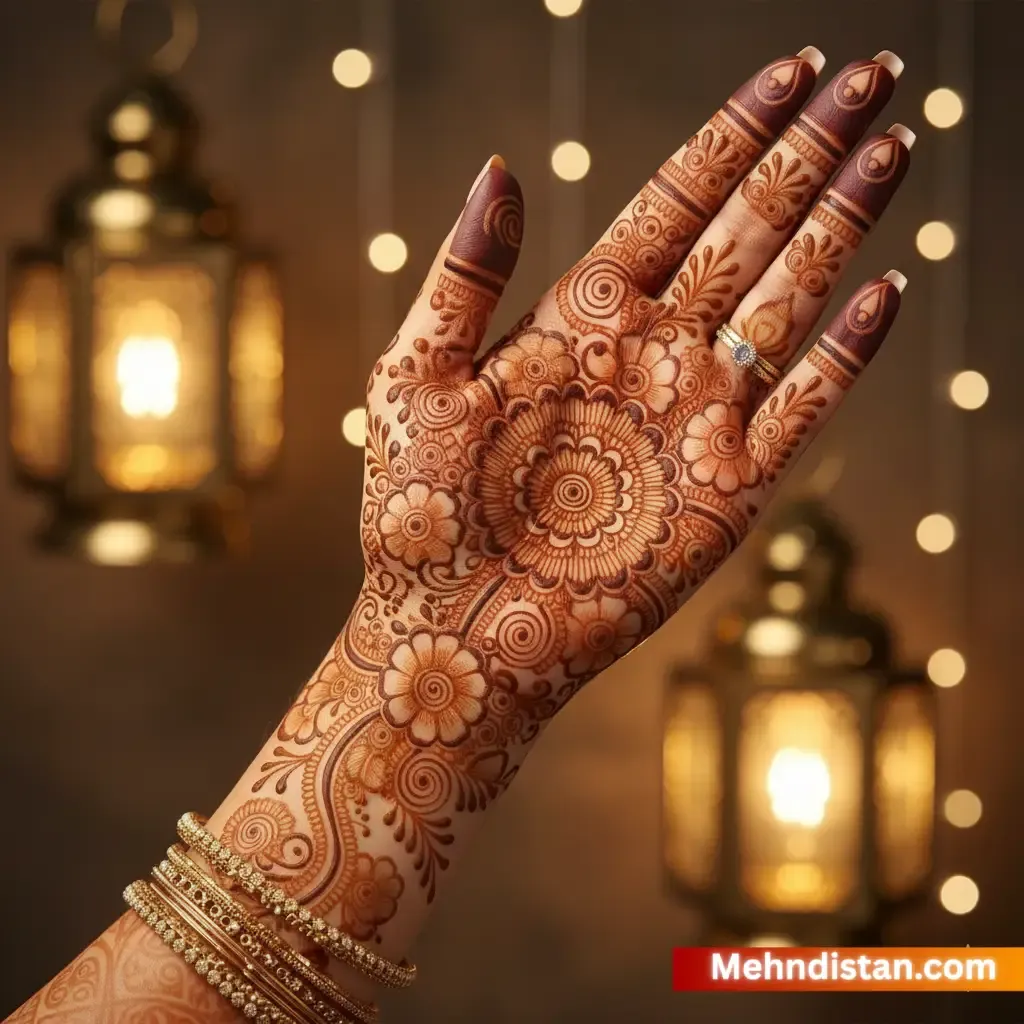
The front hand gives me a large canvas for a central flower, mandala, leafy trail, or more detailed composition. I can keep the palm open for a modern look or connect the palm with the fingers for a traditional full-hand effect.
- I clean and dry the skin before applying henna.
- I place the main motif first and build the surrounding details around it.
- I keep finger patterns balanced with the palm instead of overcrowding them.
For a stronger stain, I let natural henna dry undisturbed and follow the instructions supplied with the henna. Stain depth varies with the henna, skin, body area, and aftercare, so I do not treat one fixed timing as a guarantee.
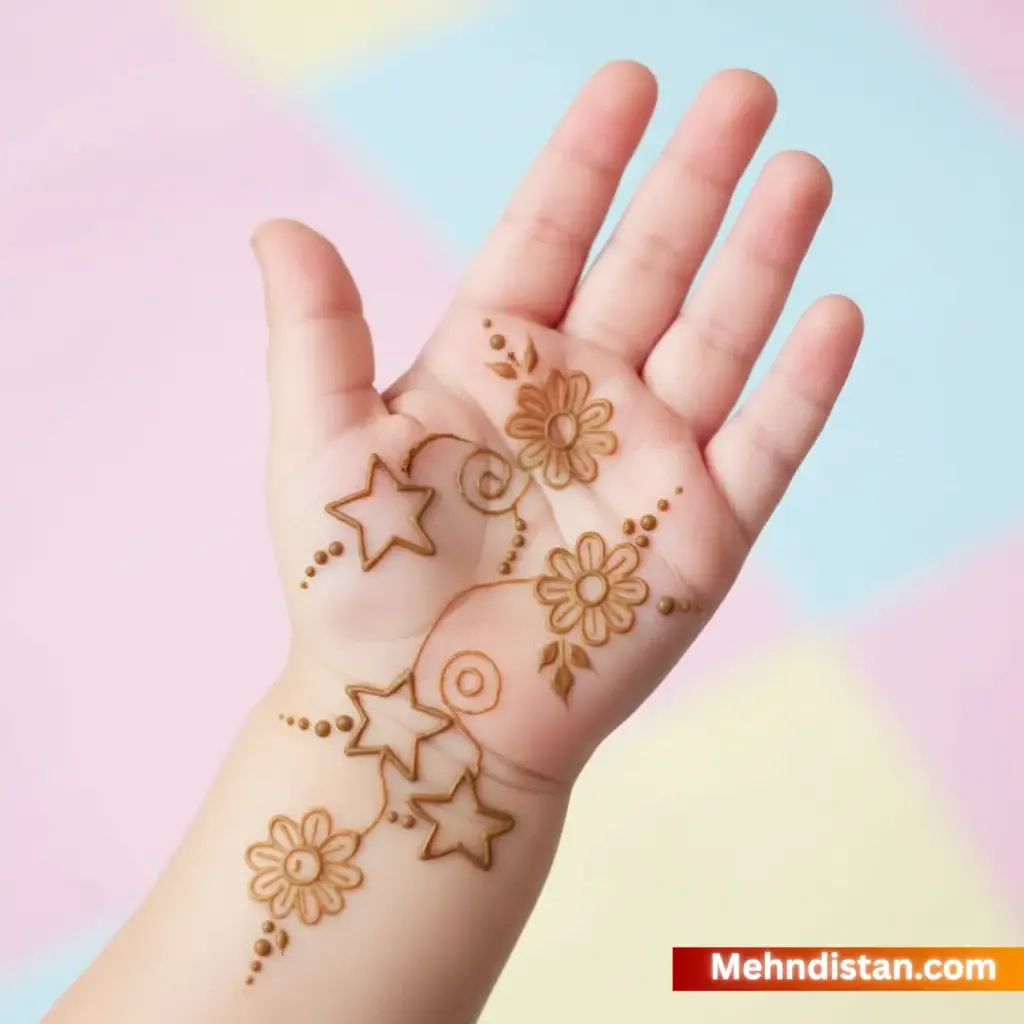
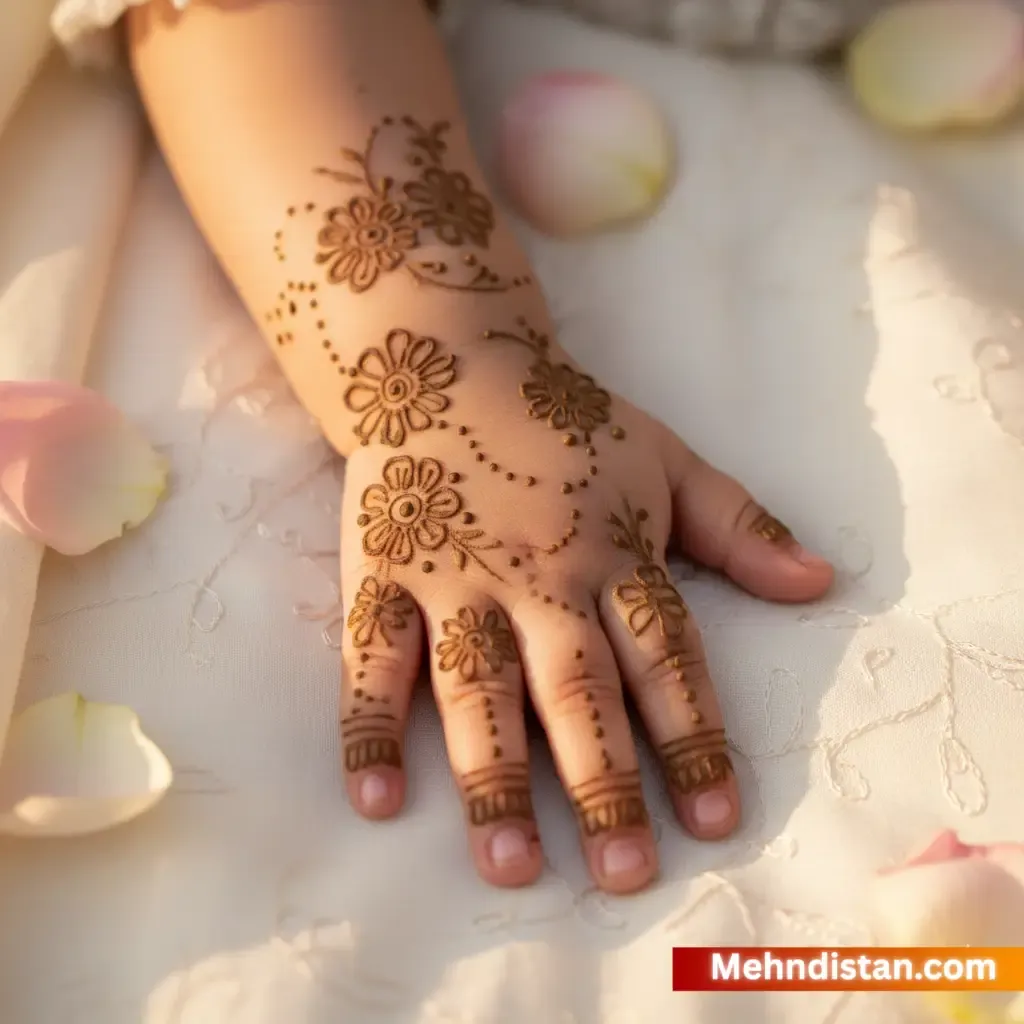
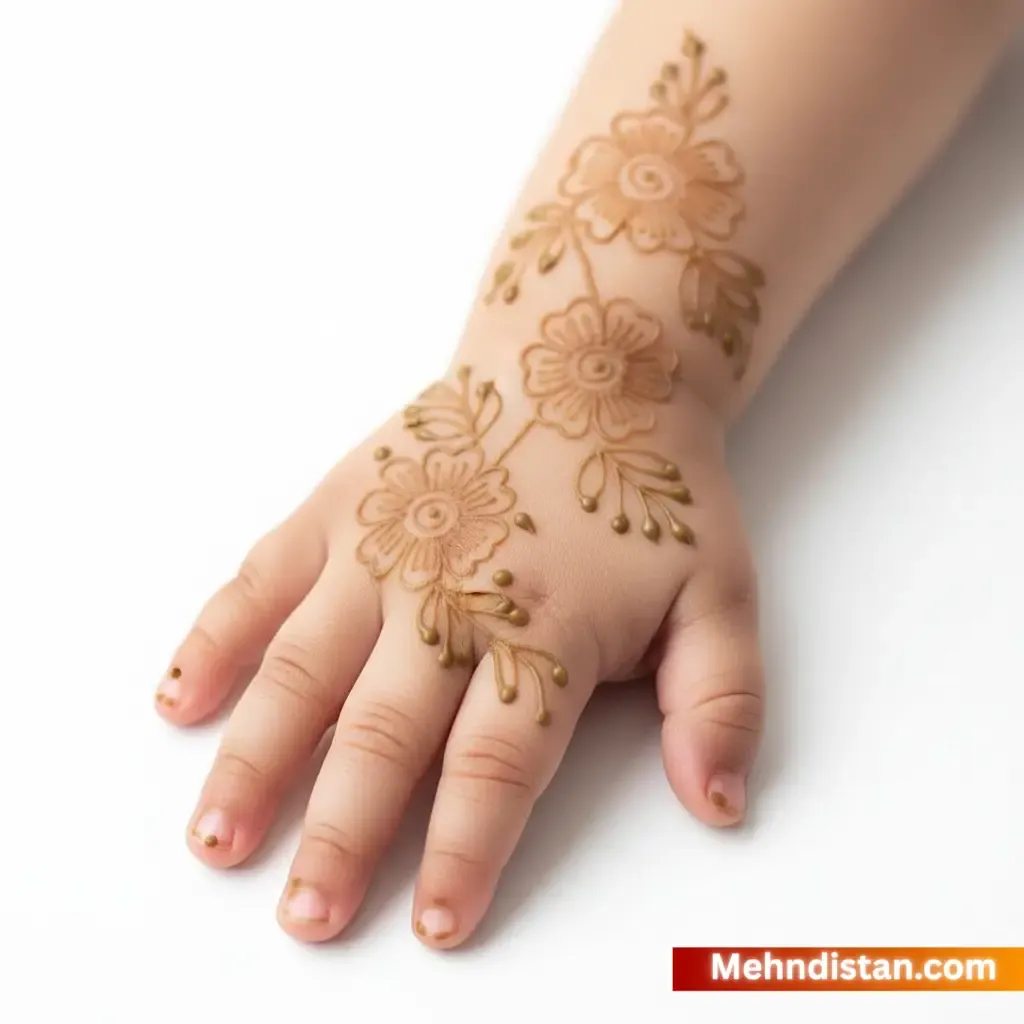
Baby Girl Mehndi Design
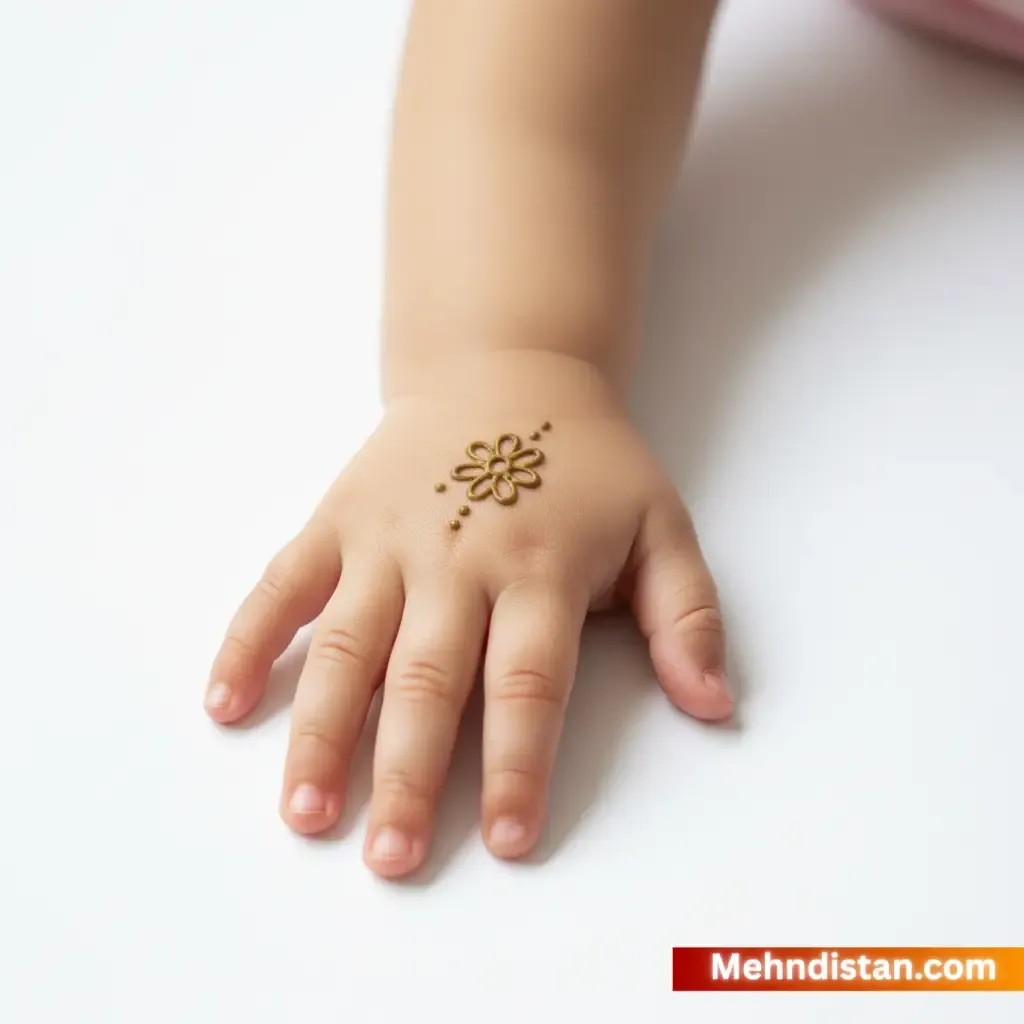
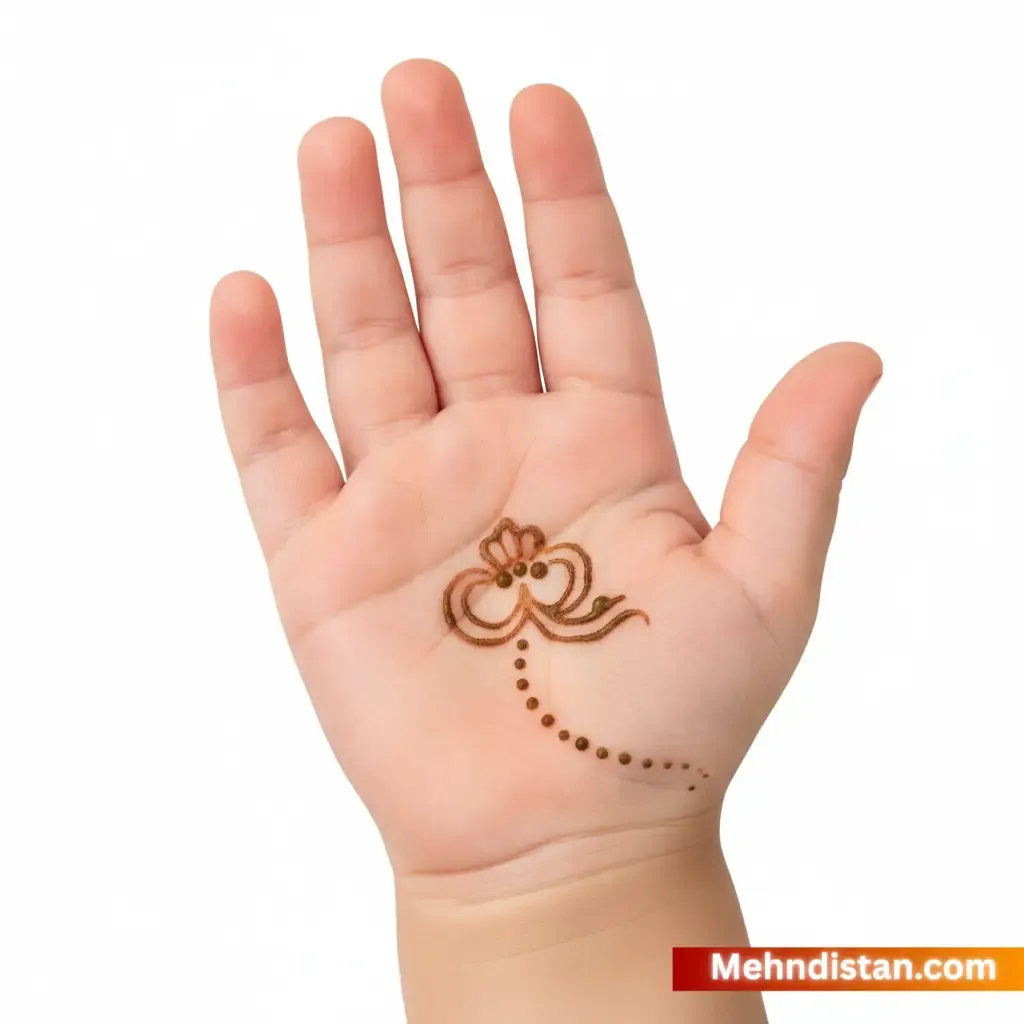
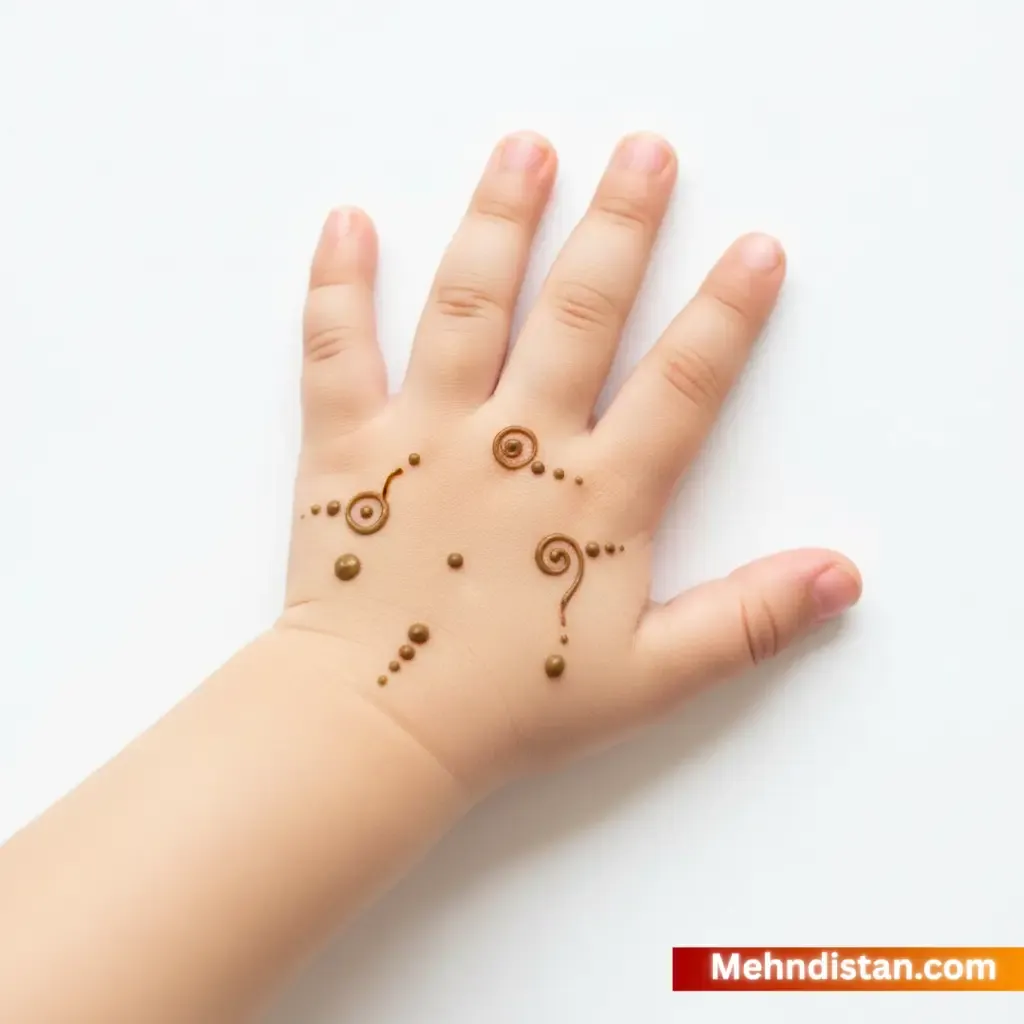
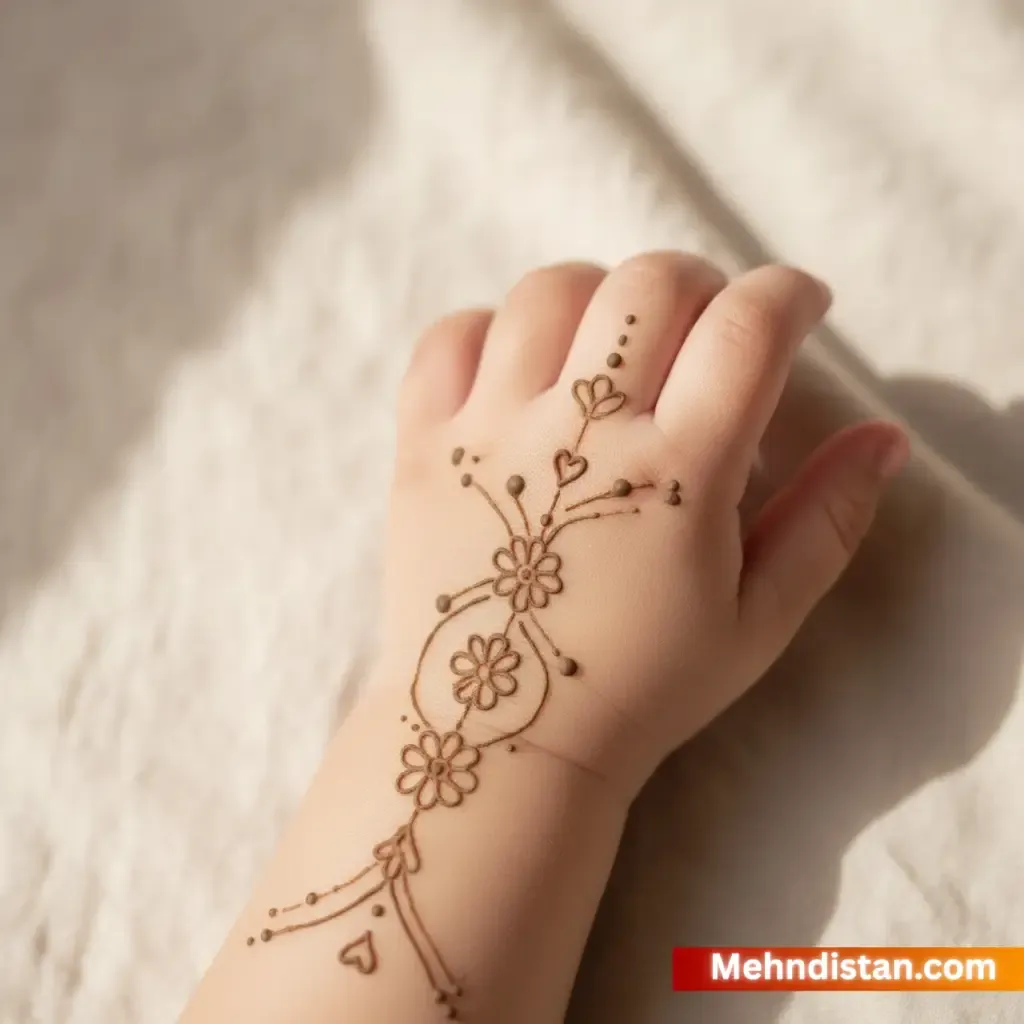
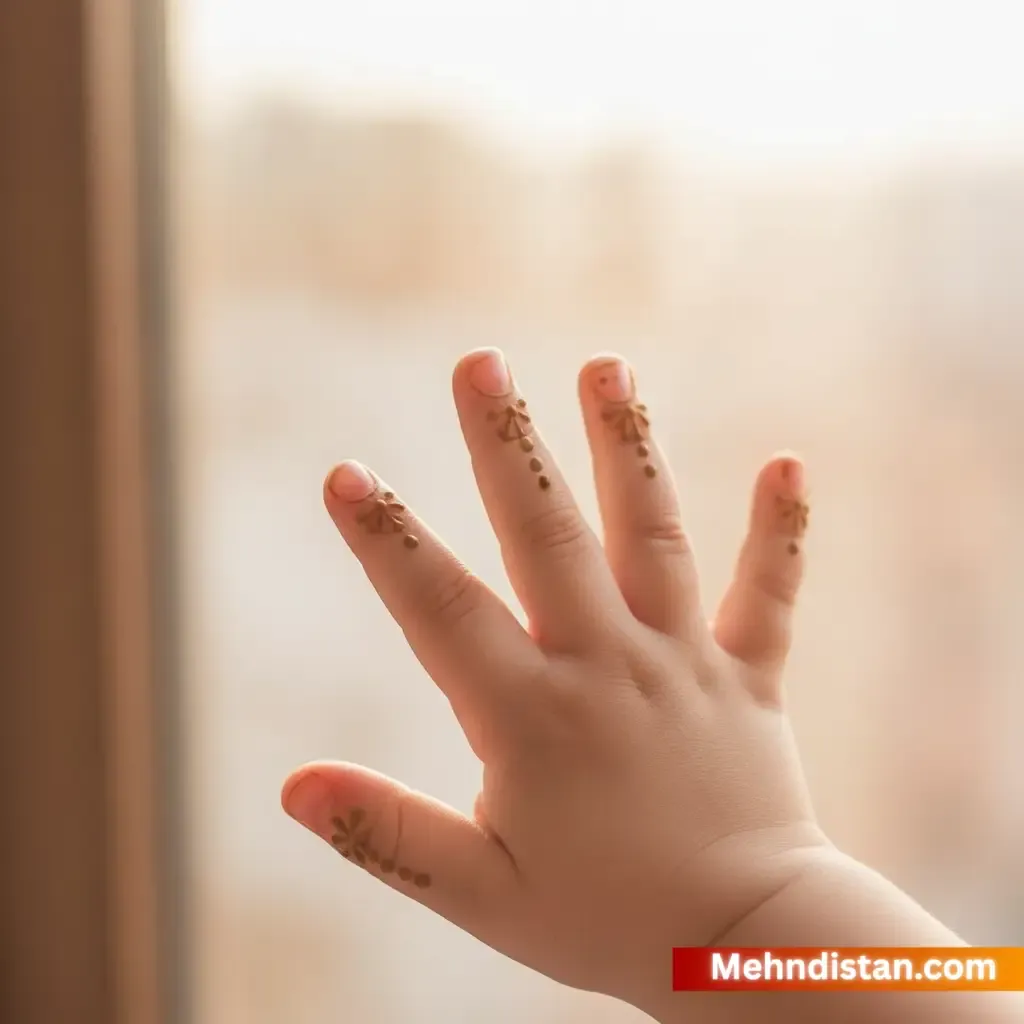
For a baby girl mehndi design, I would keep the idea extremely minimal and only use products that are clearly intended to be safe for skin. A tiny dot or simple flower is enough for a decorative touch, and an adult should supervise the child throughout the process.
- Keep henna away from the mouth, eyes, and broken or irritated skin.
- Use only natural henna from a reliable source and check the ingredient information.
- Do not use black henna or unknown instant-color products.
If a child has a skin reaction, I would remove the product and seek appropriate medical advice. There is no reason to continue a design when the skin is uncomfortable.
Girl Mehndi Design Back Hand
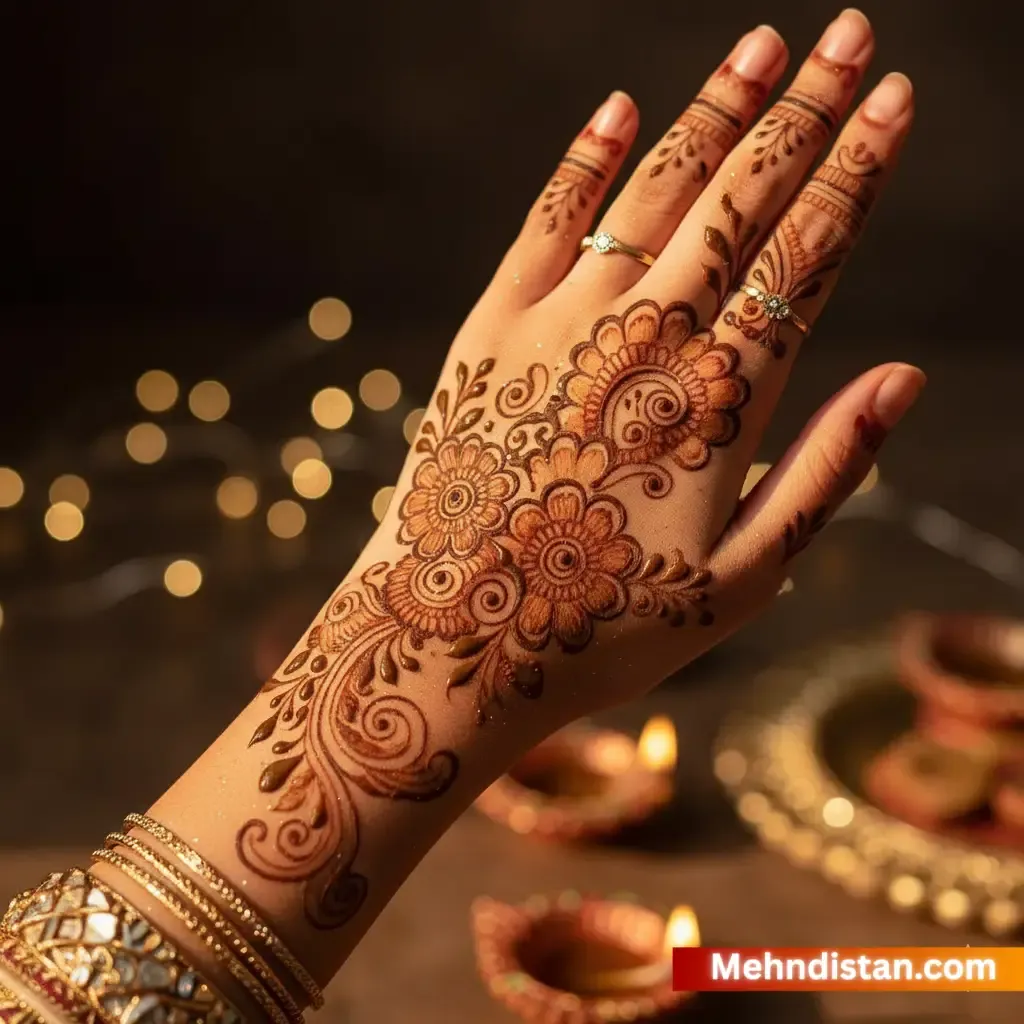
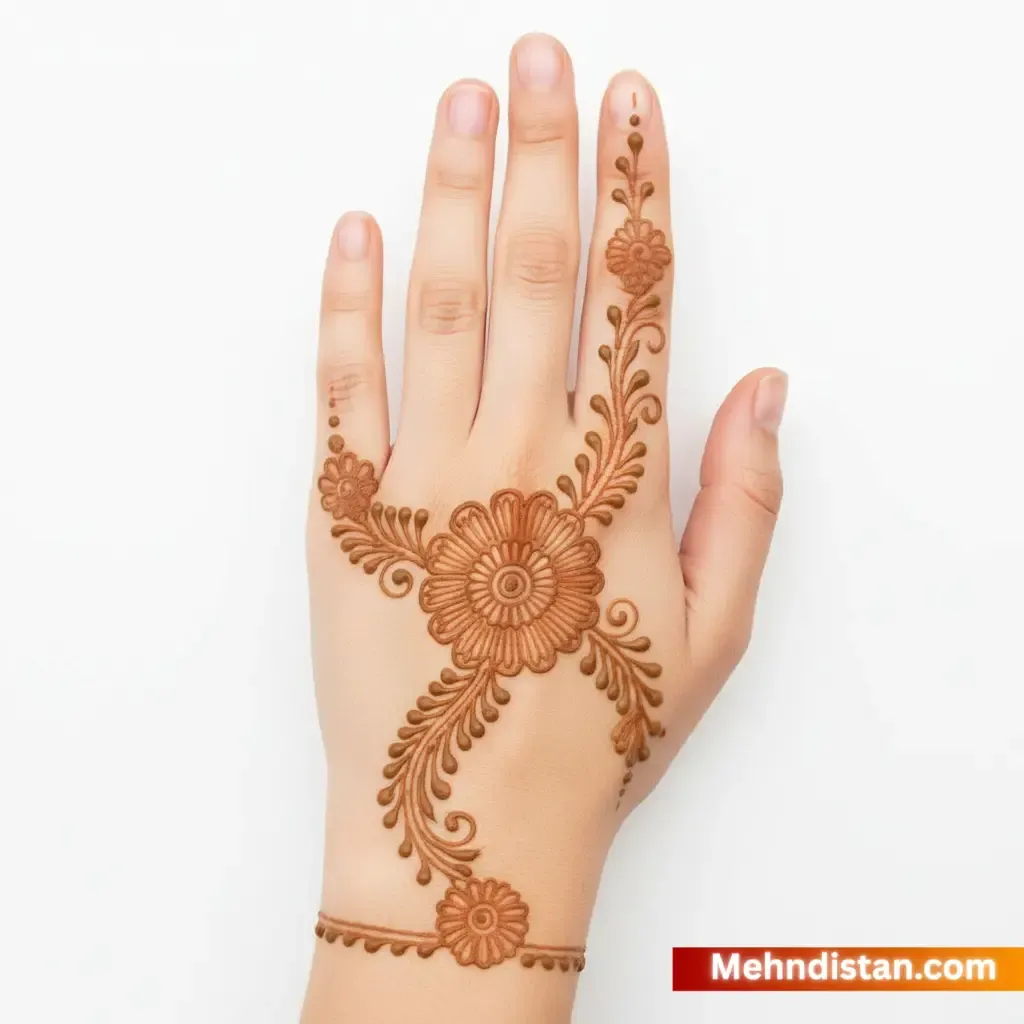
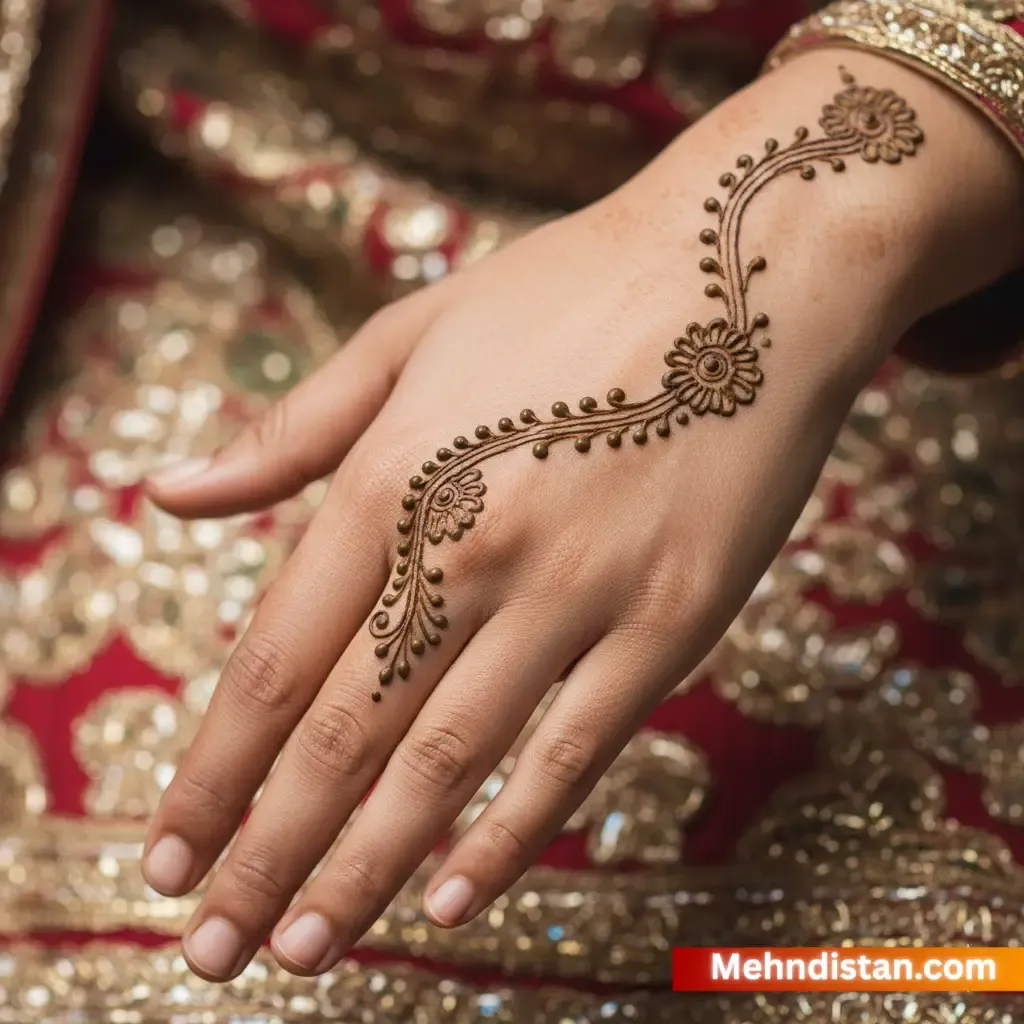
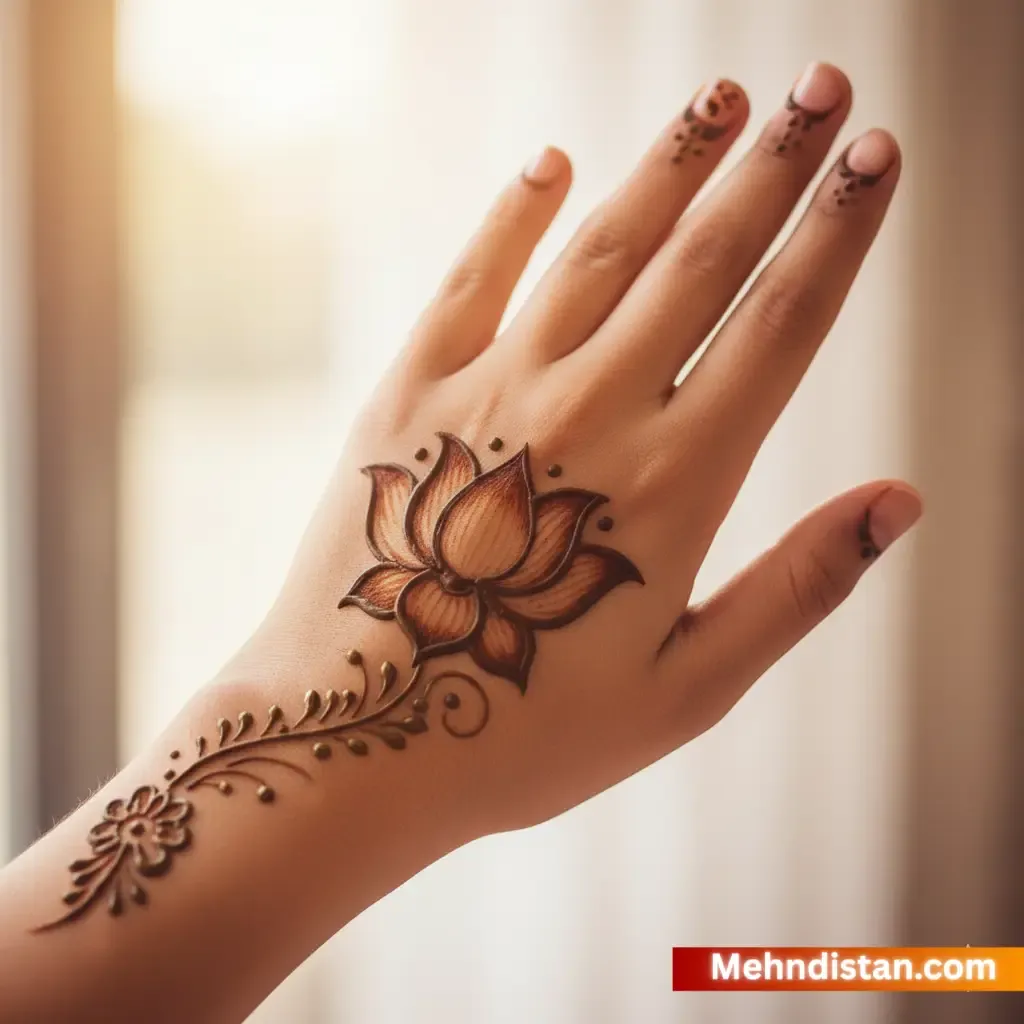
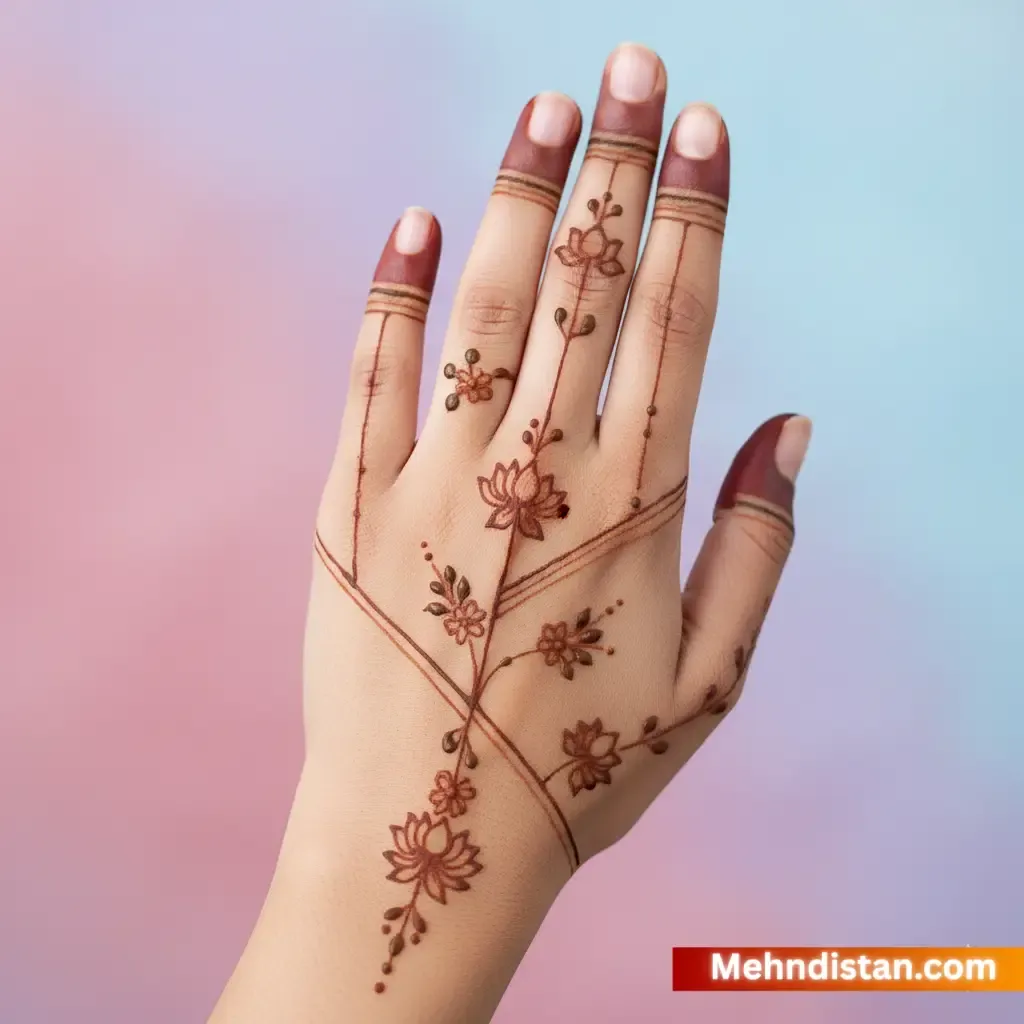
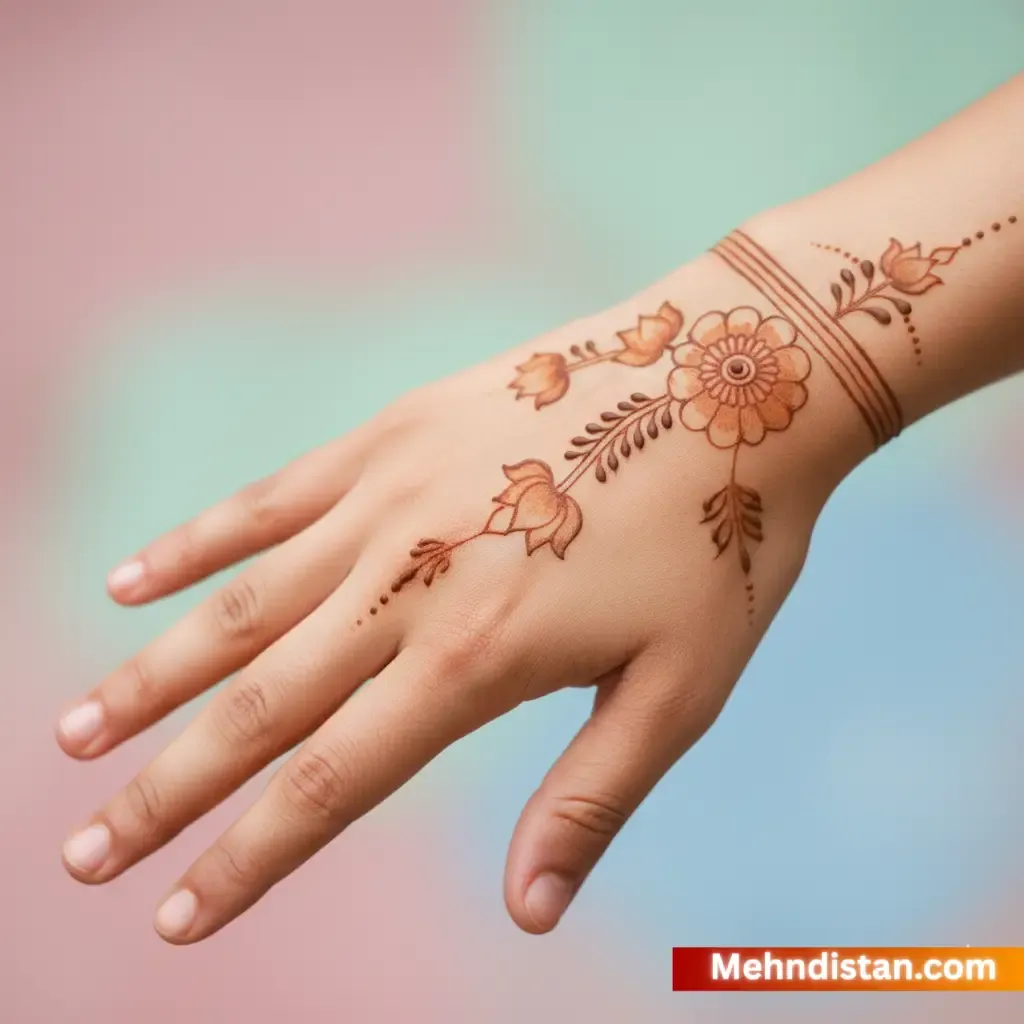
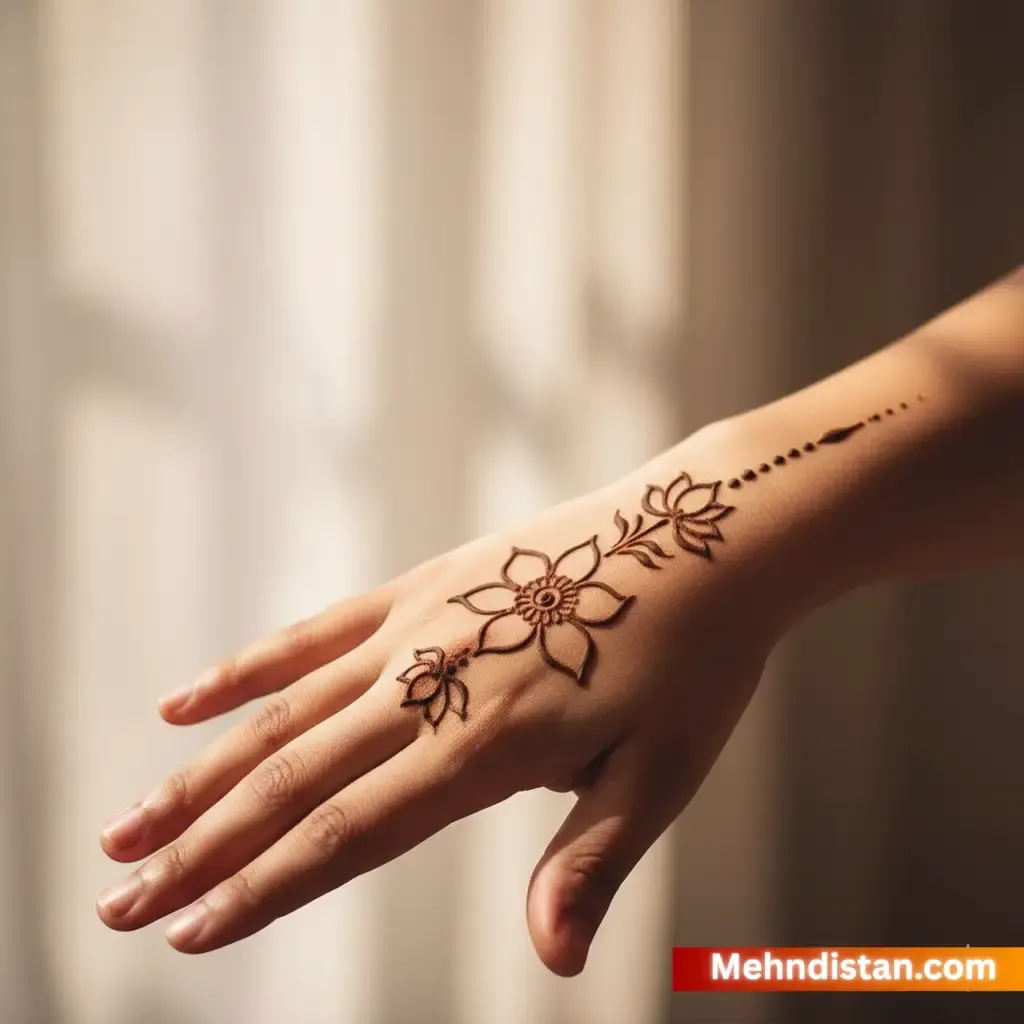
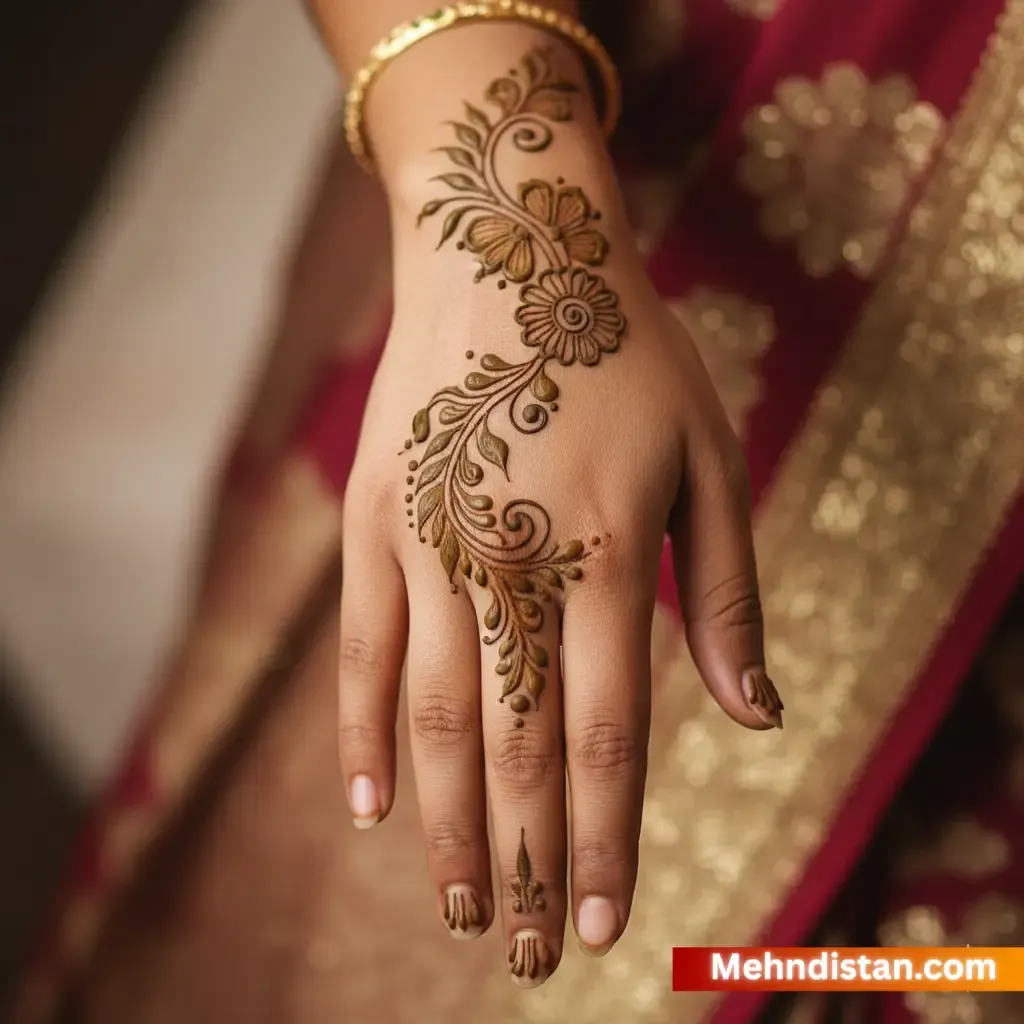
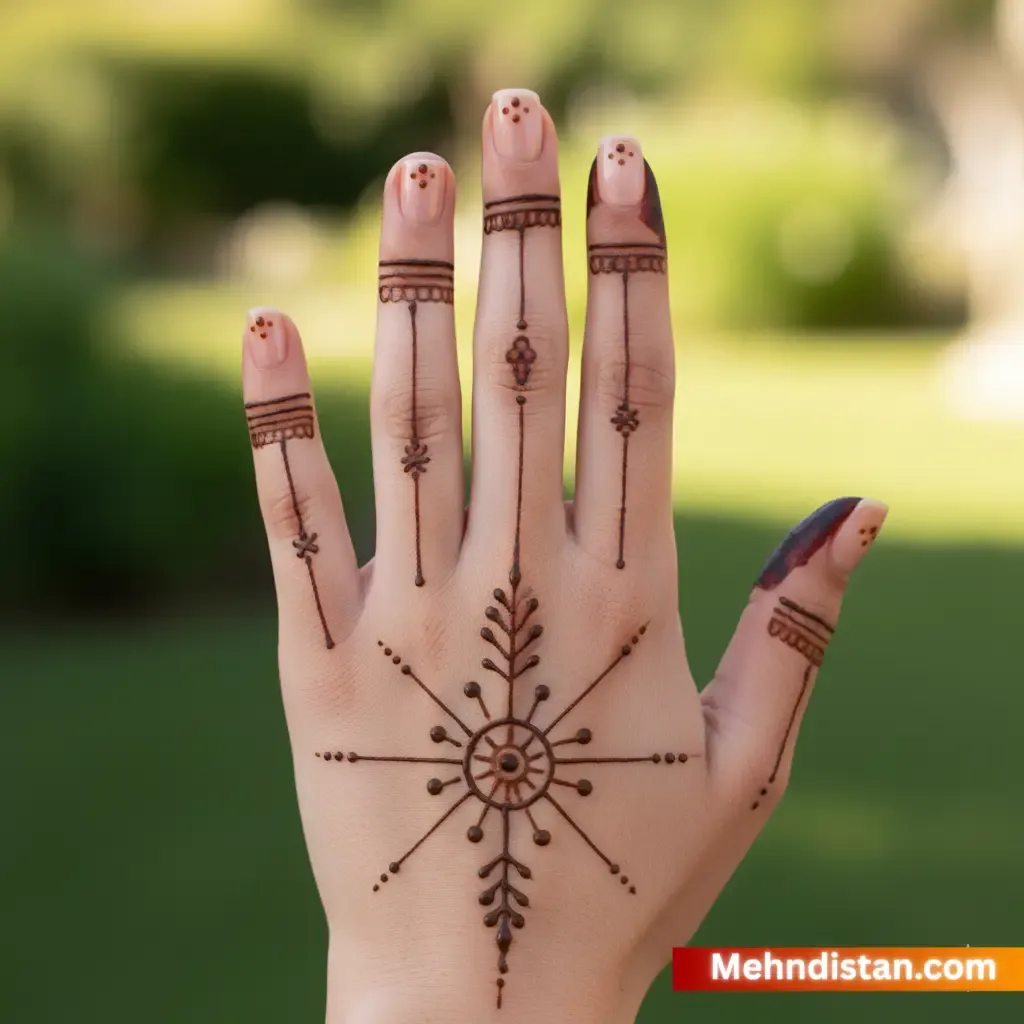
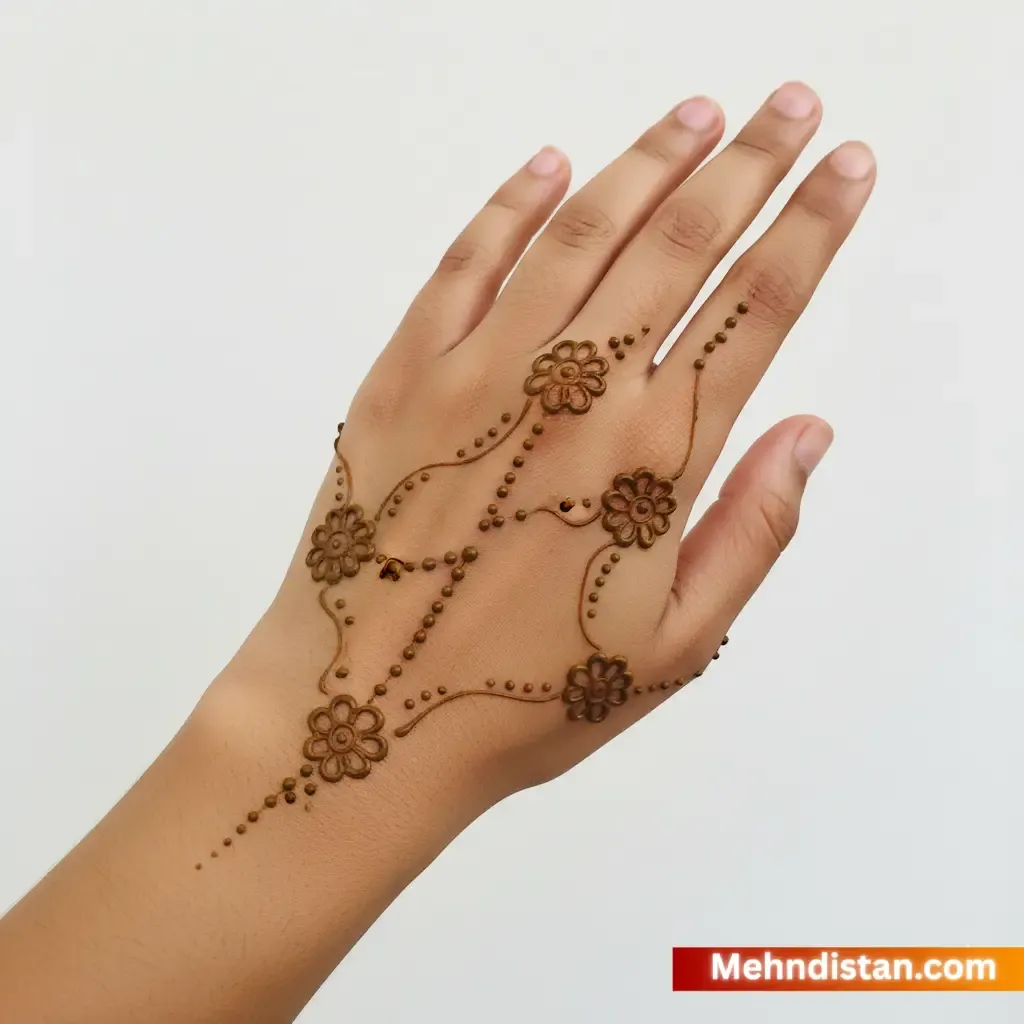
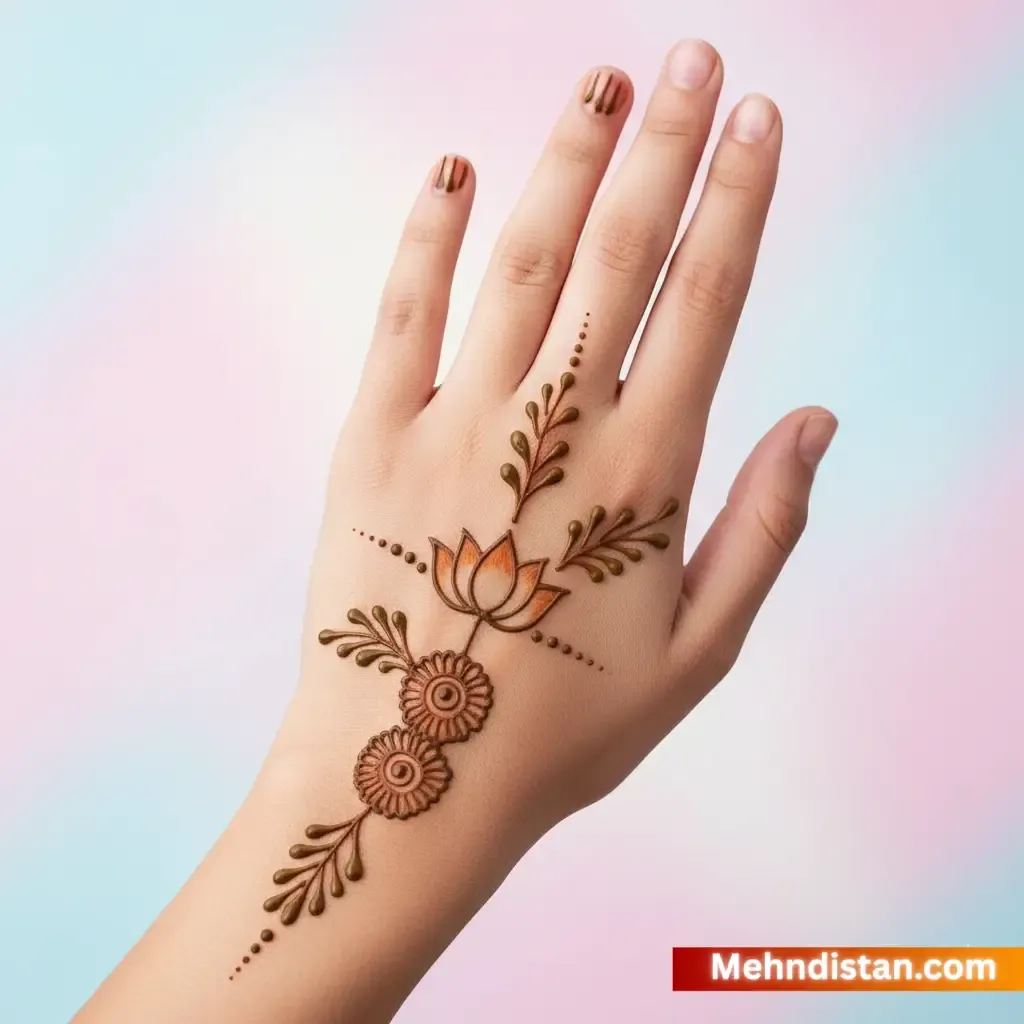
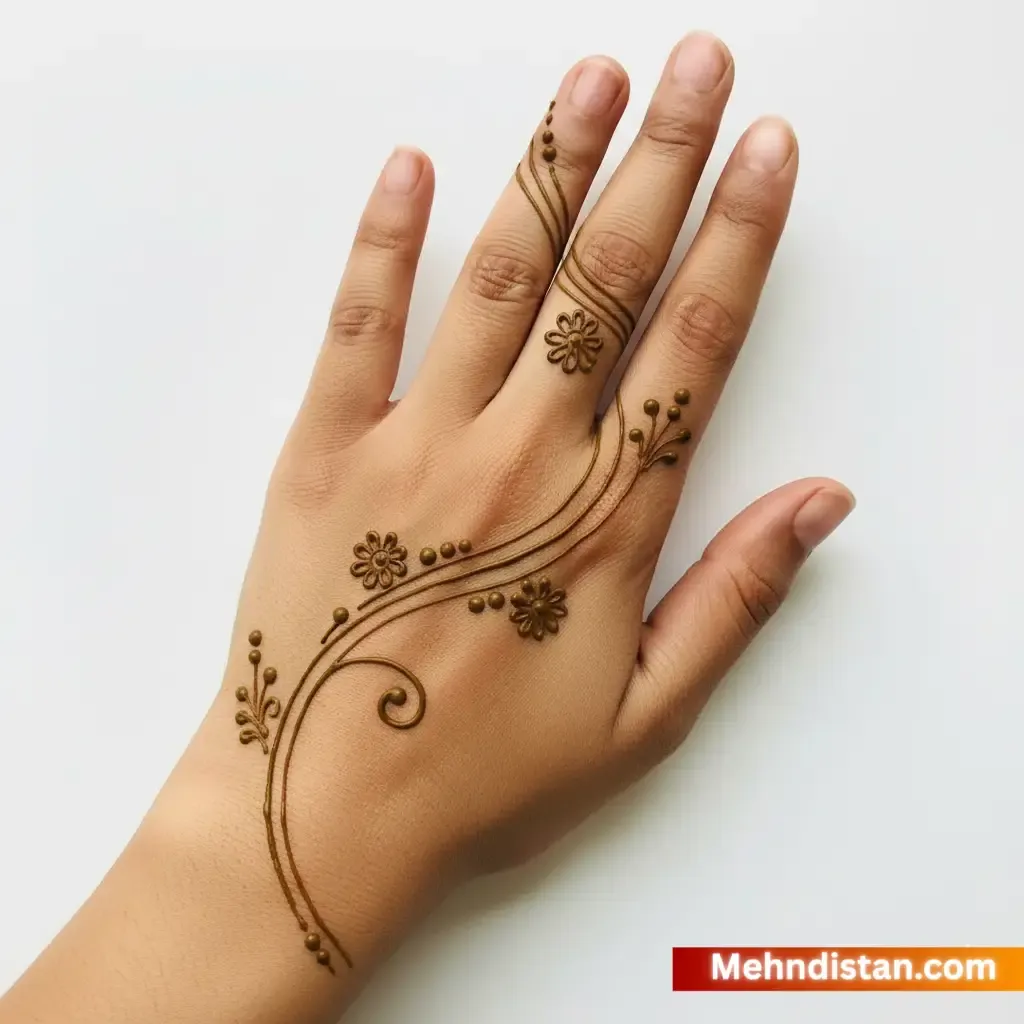
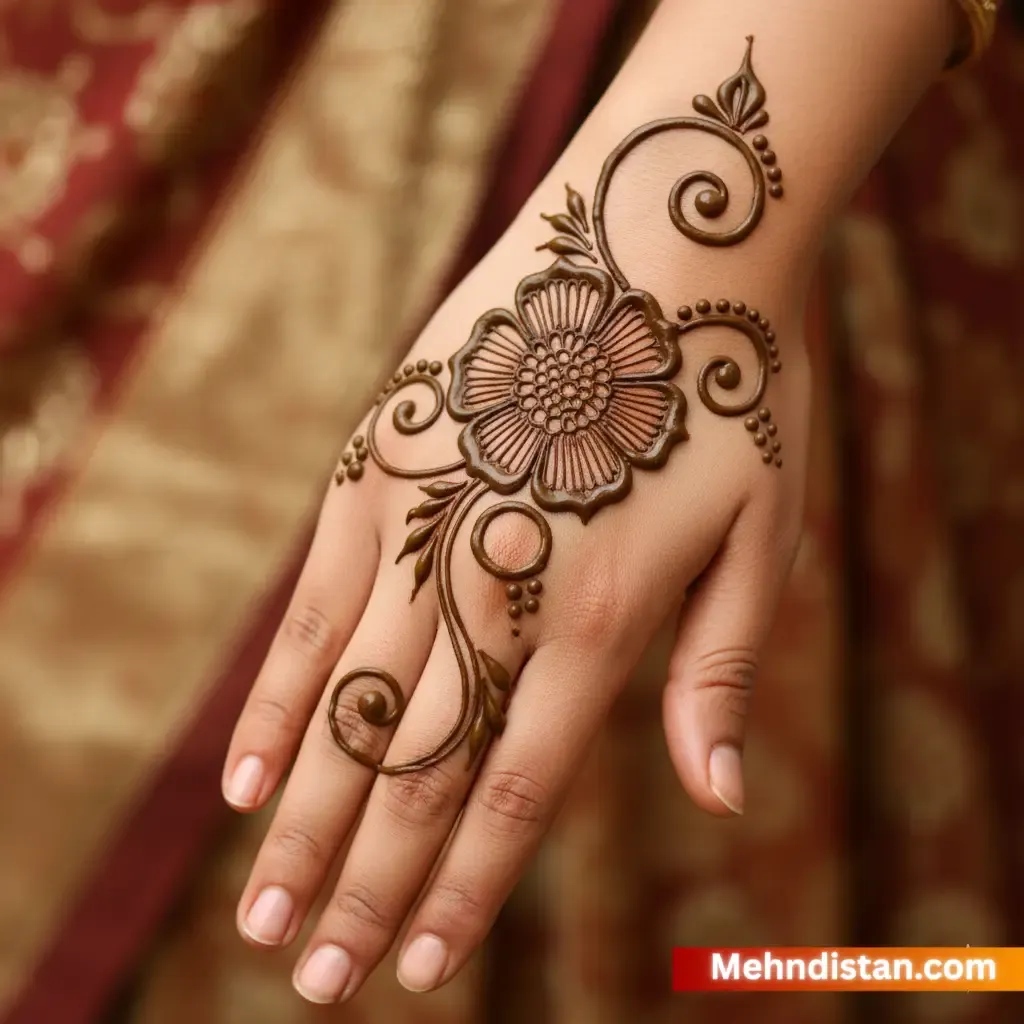
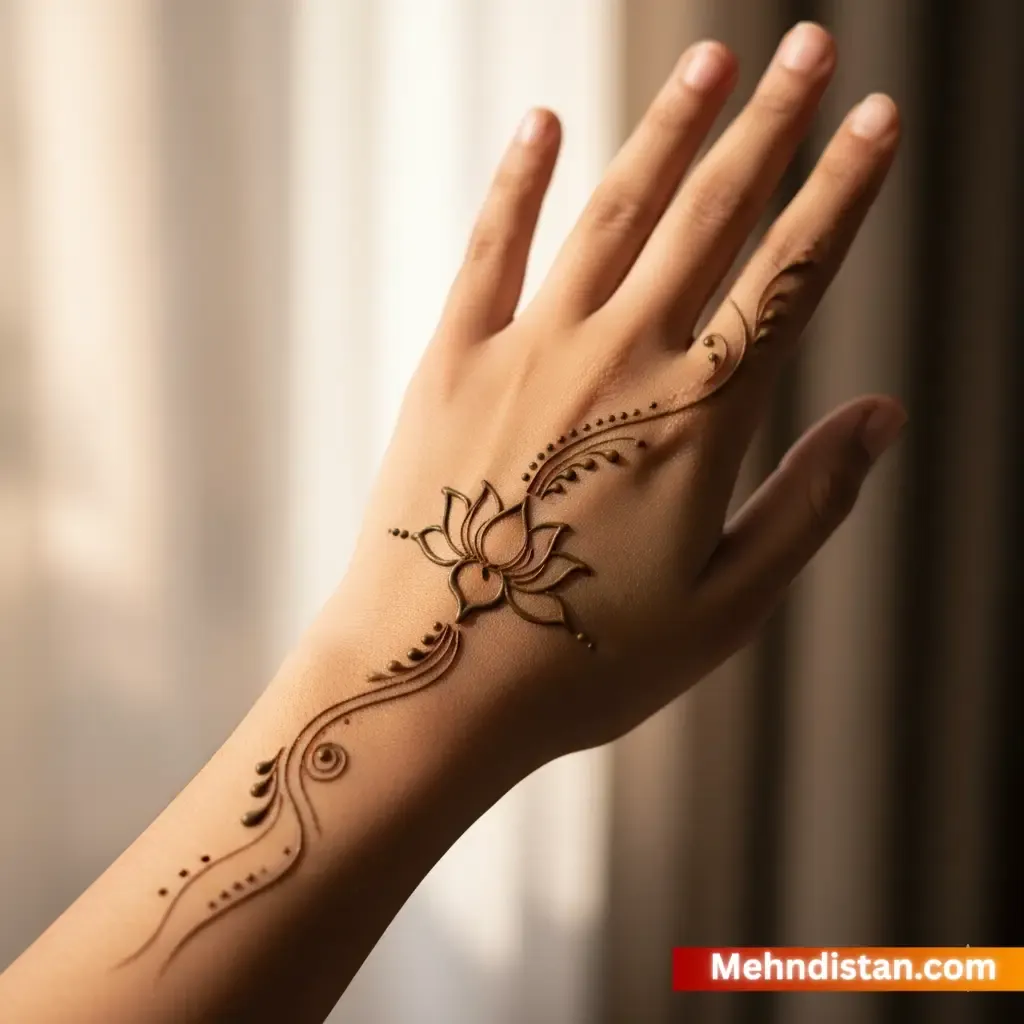
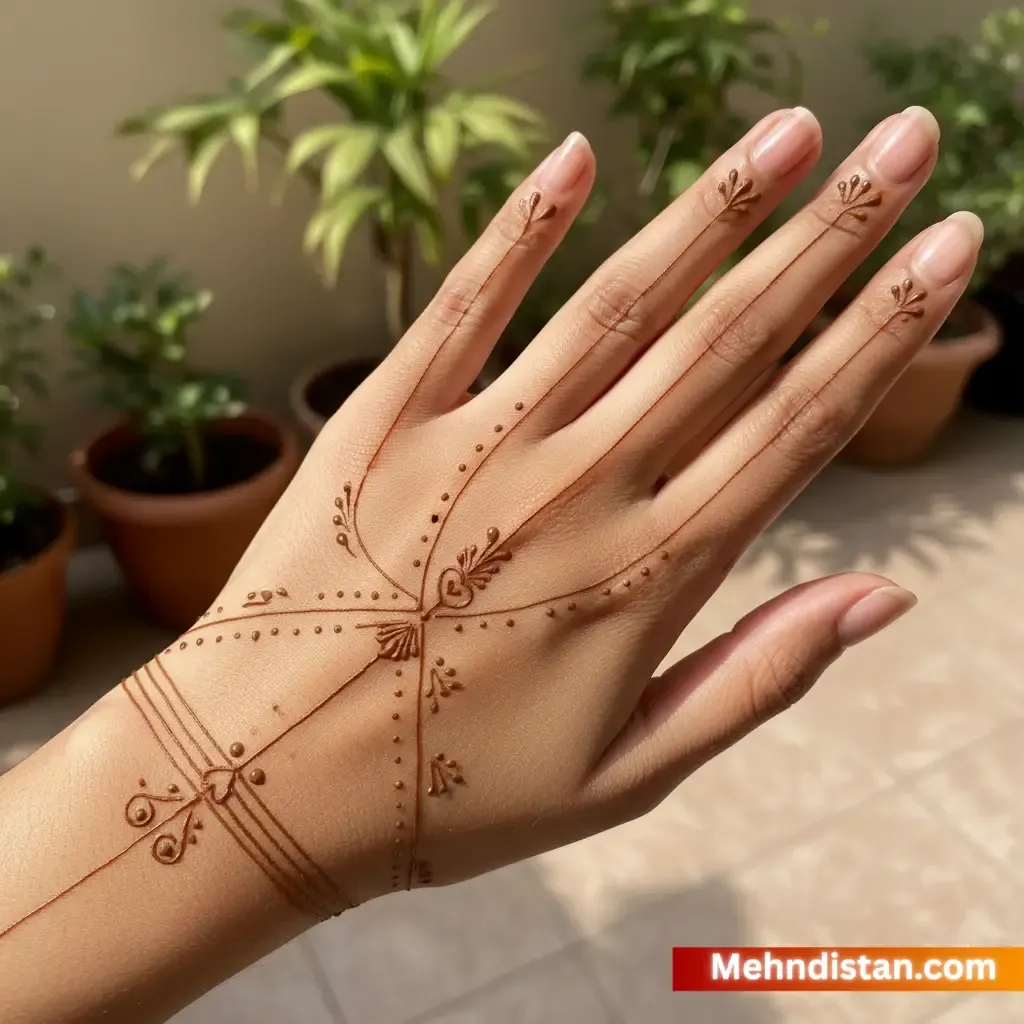
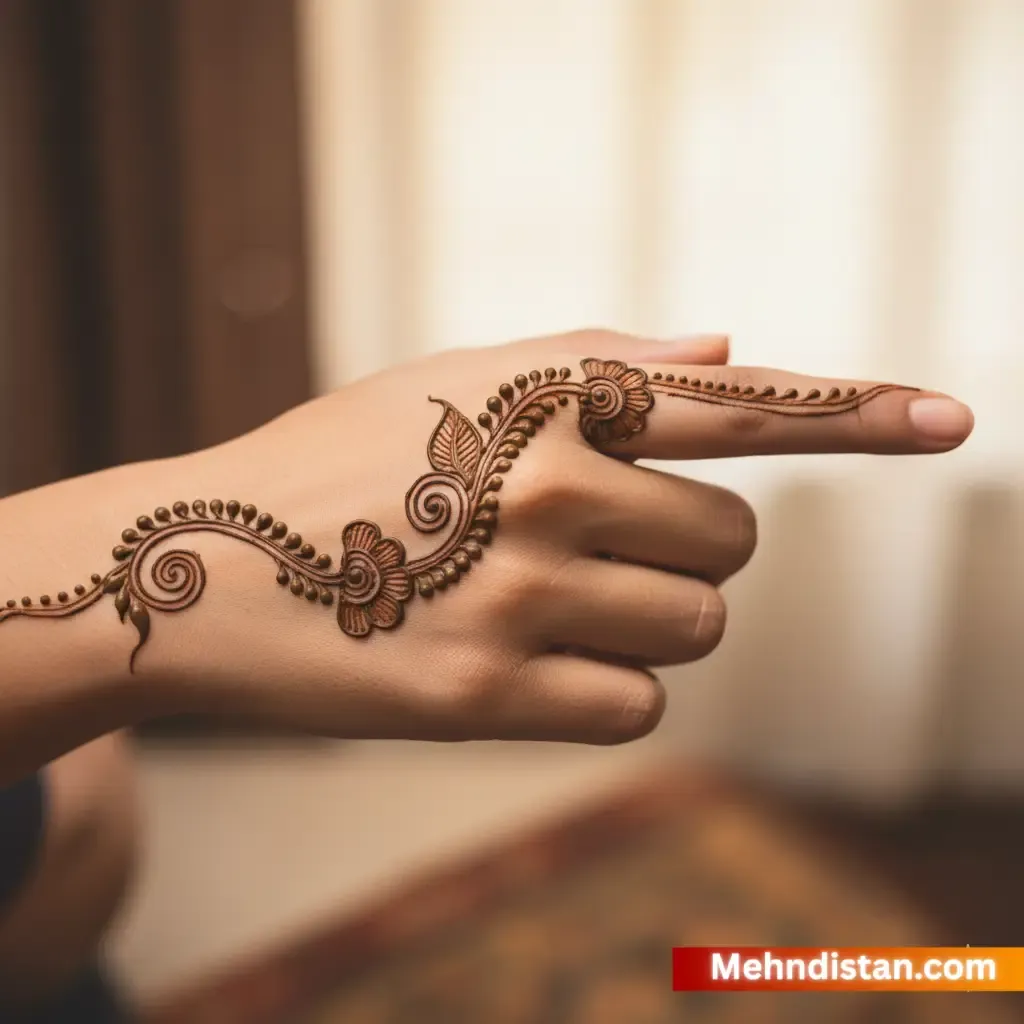
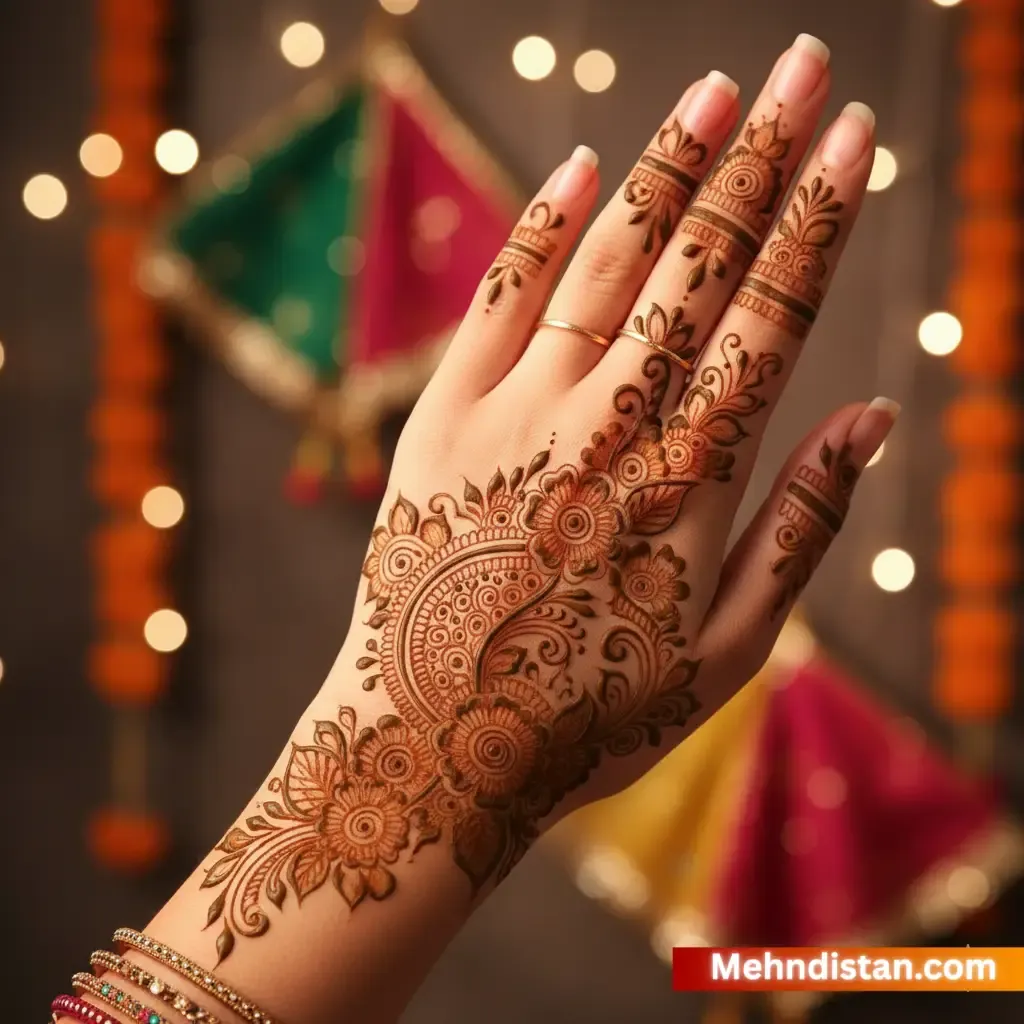
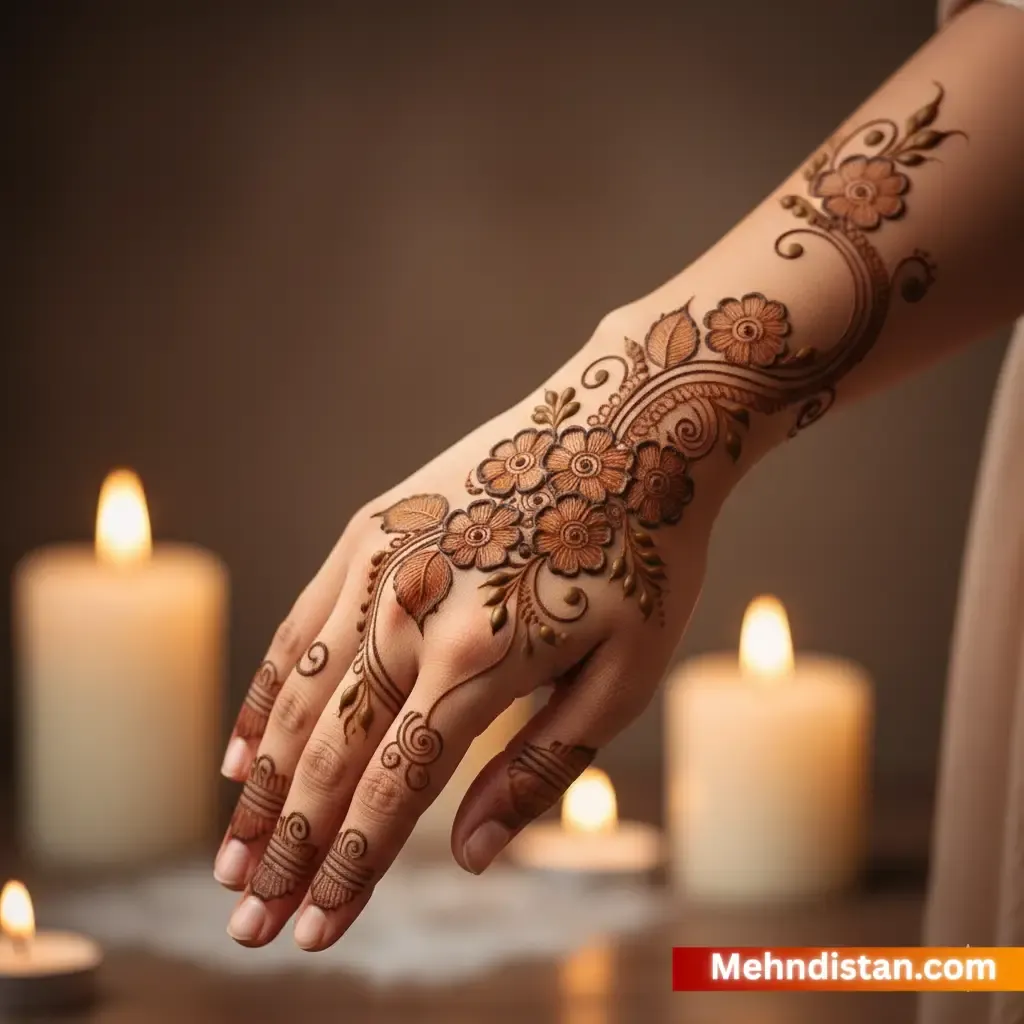
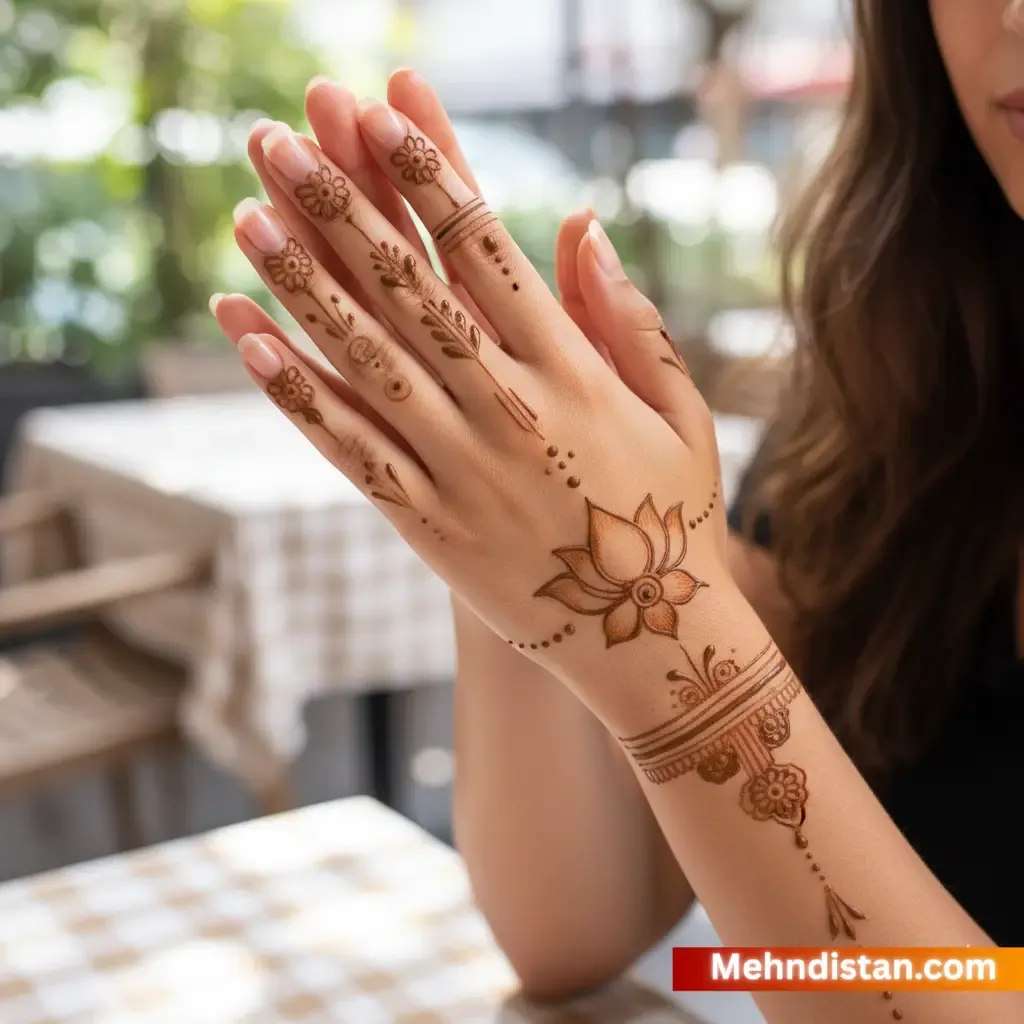
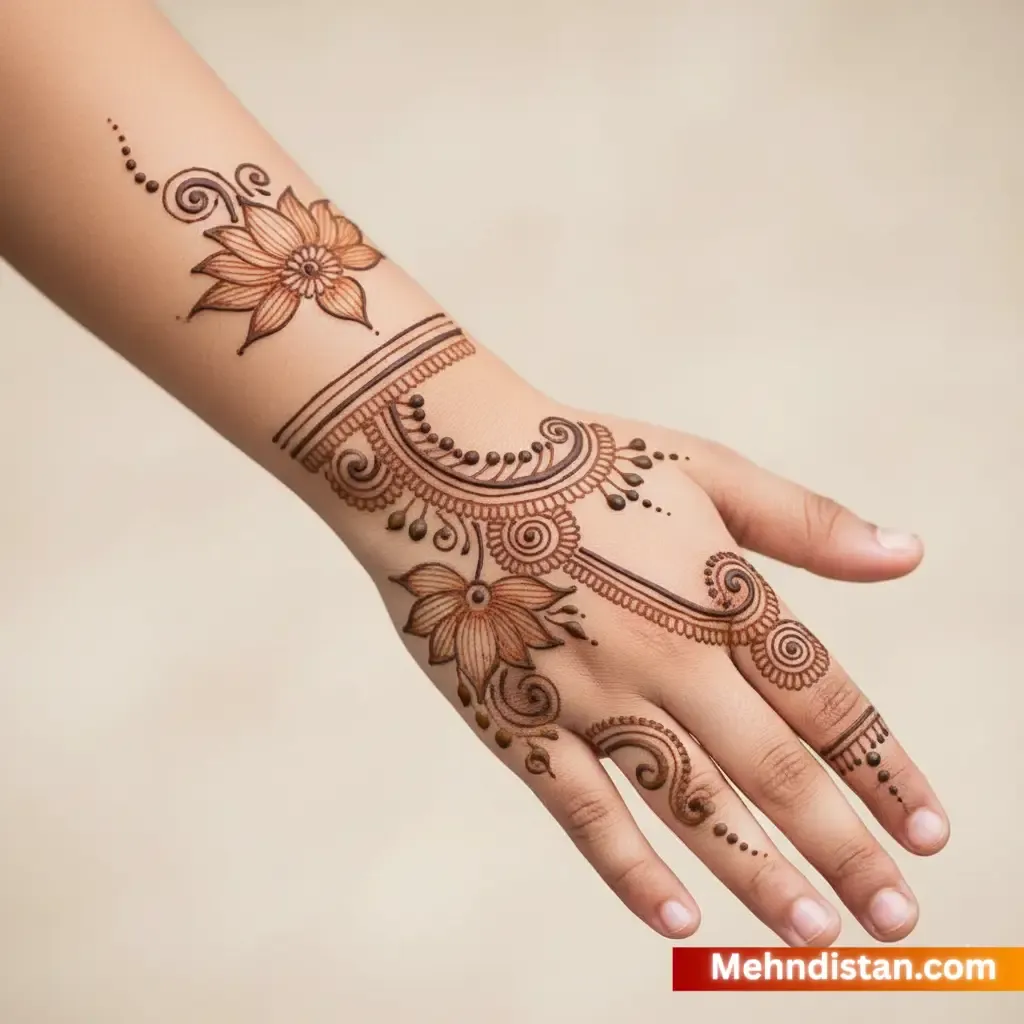
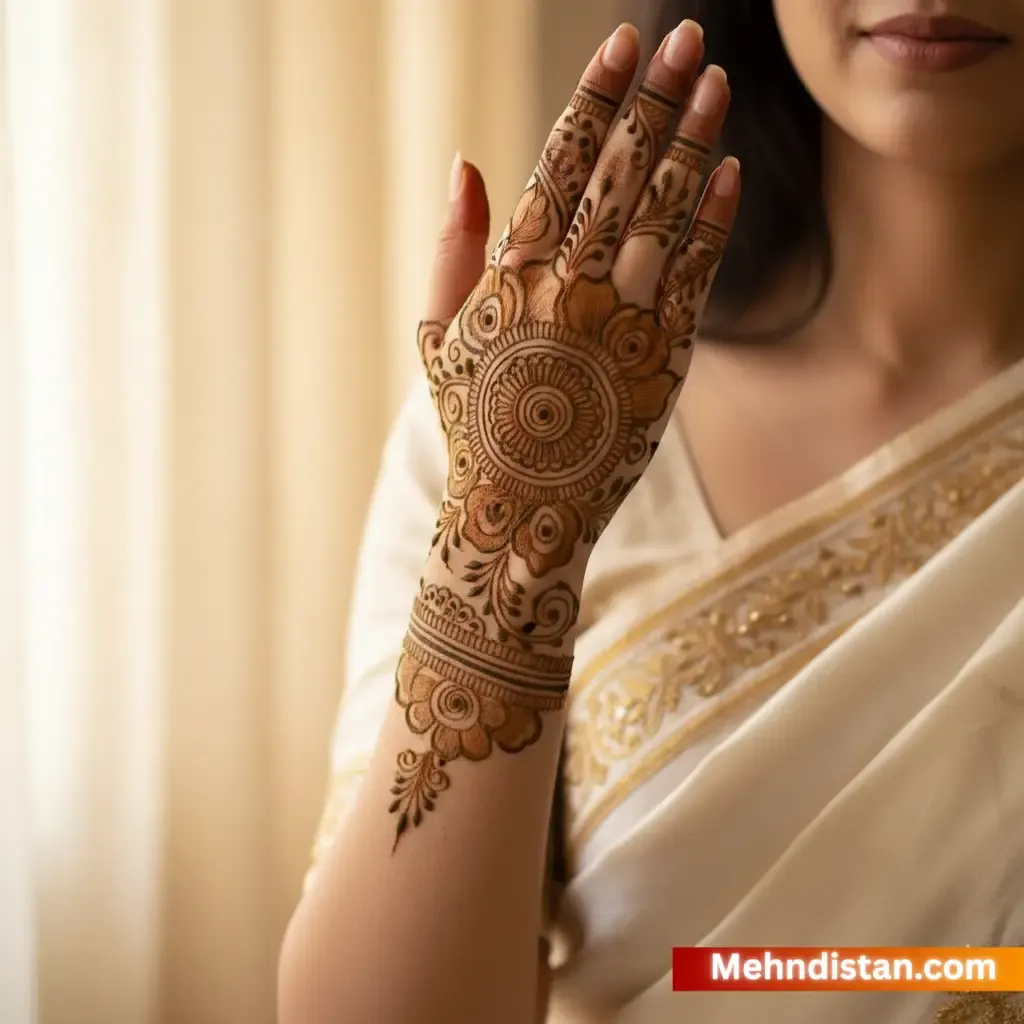
When I want a modern girl mehndi design back hand, I usually choose jewelry-inspired layouts, vines, mandalas, floral trails, or a central motif with open space around it. These patterns pair especially well with rings, bangles, and both traditional and contemporary outfits.
- I keep the main motif centered so the design looks balanced.
- I use lighter details around bold elements to create contrast.
- I extend a small pattern toward the fingers when I want a longer visual line.
Back-hand designs do not need to be heavily filled to look detailed. Good spacing often makes a simple pattern appear more refined.
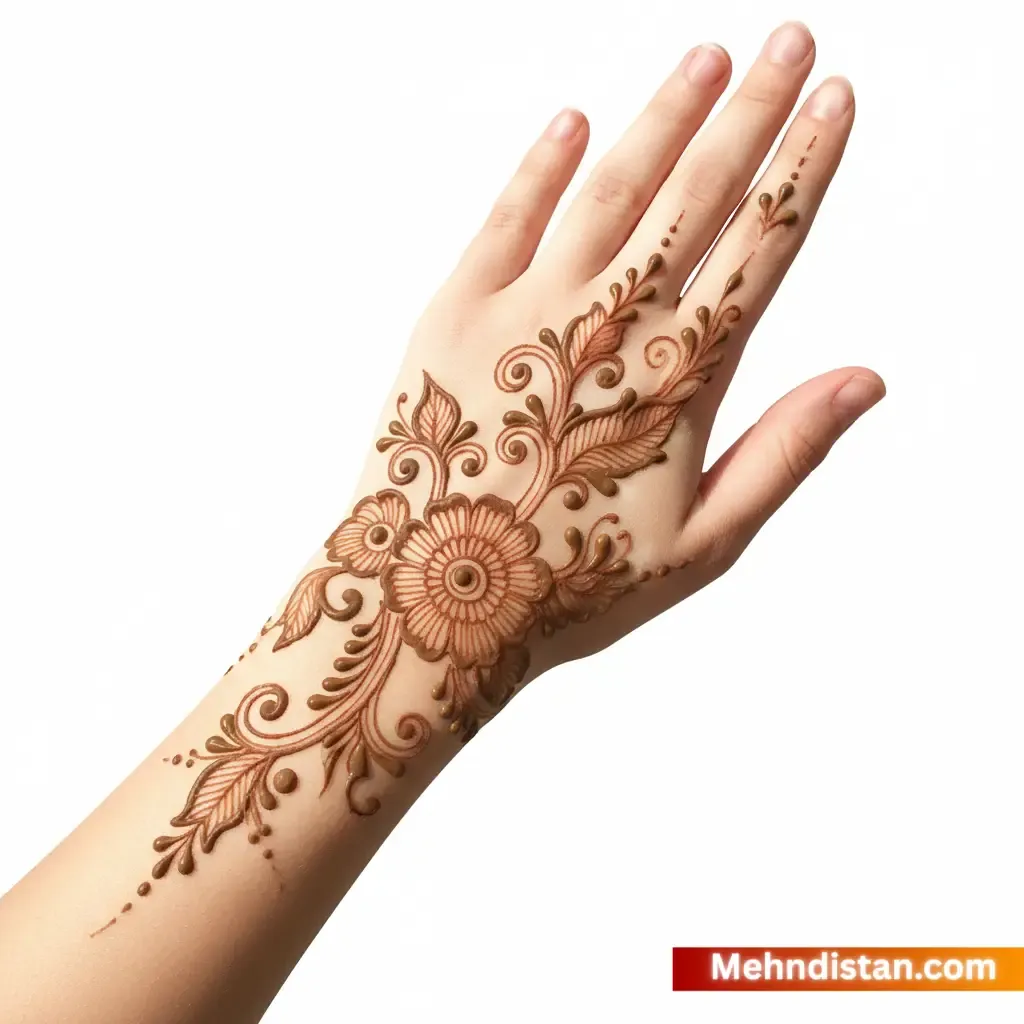
Leg Mehndi Design Simple and Easy for Girl
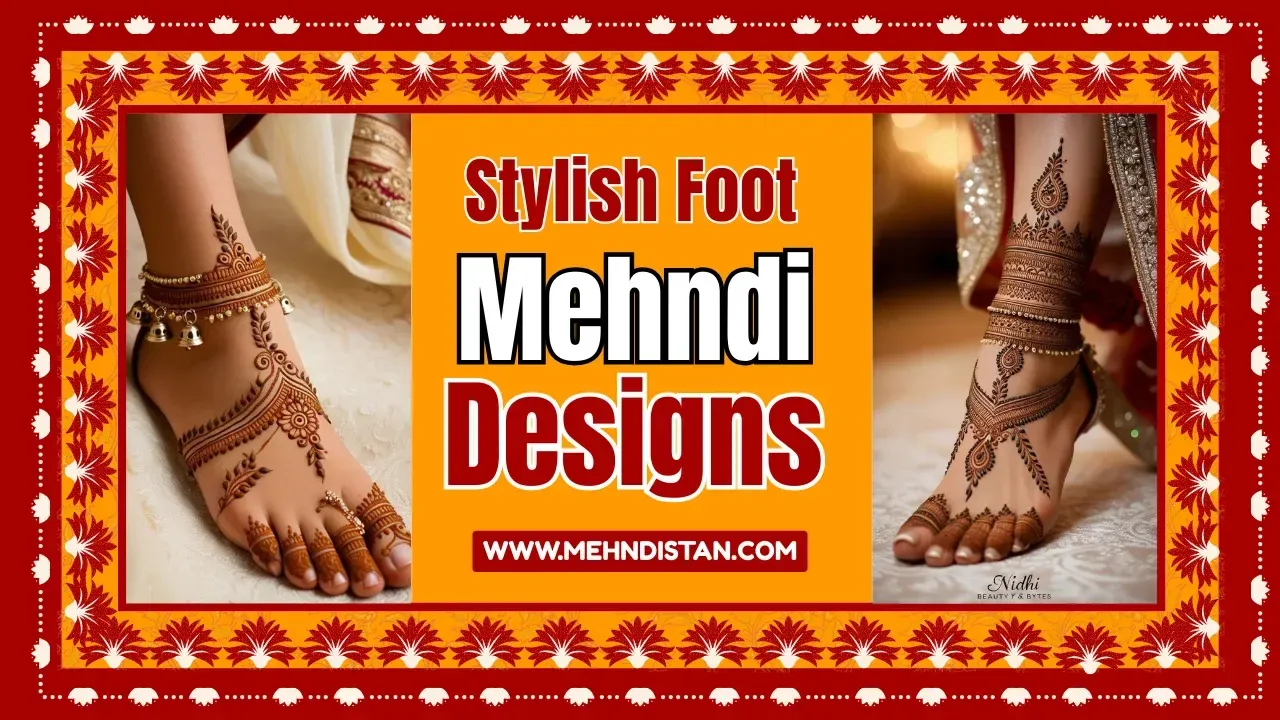
For legs and feet, I like designs that follow the natural shape of the ankle, foot, and toes. A simple floral trail, anklet-style band, vine, or small motif can add detail without making the design feel too heavy.
- I sit comfortably so the lines stay controlled.
- I plan the design around footwear and the area that will remain visible.
- I allow the henna to dry before putting pressure on the design.
For a longer-lasting stain, I follow sensible aftercare and avoid rubbing the area immediately after removing the dry paste. I also remember that stain development differs from person to person.
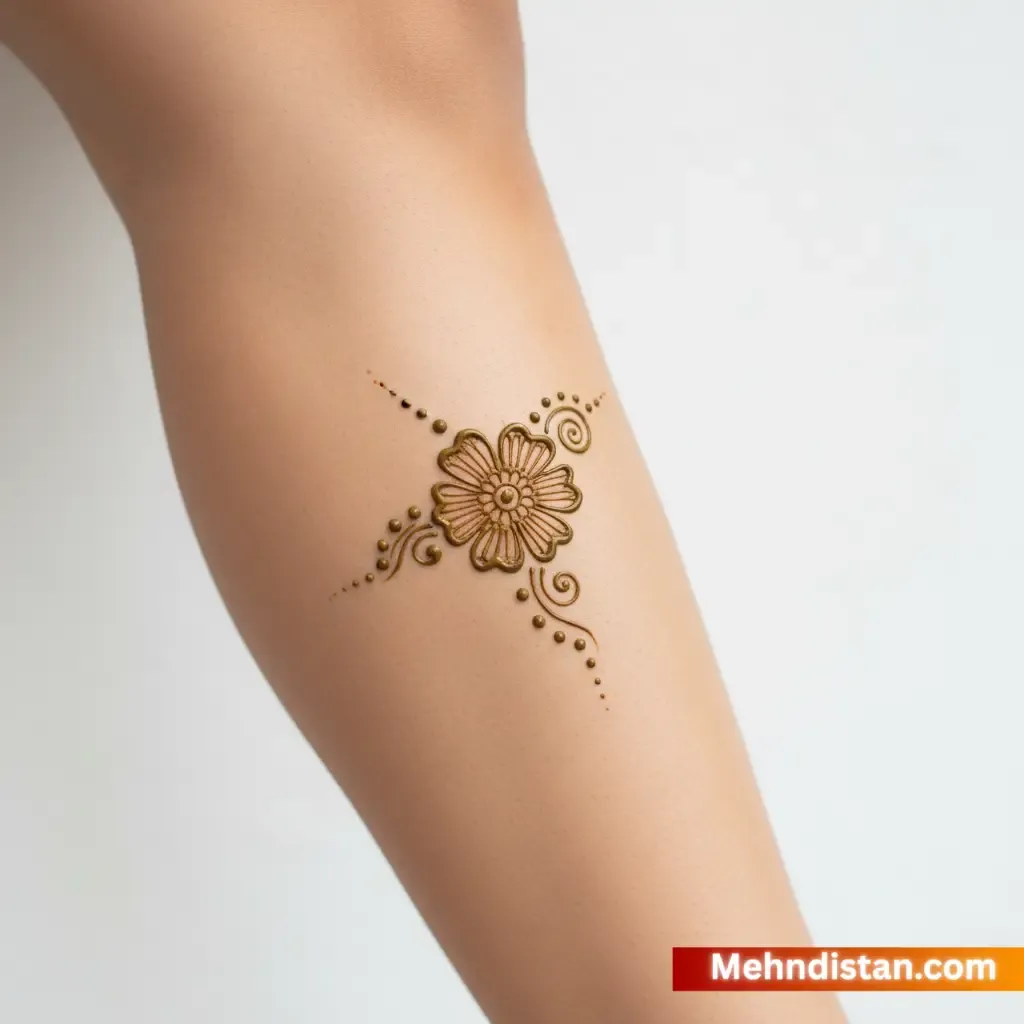
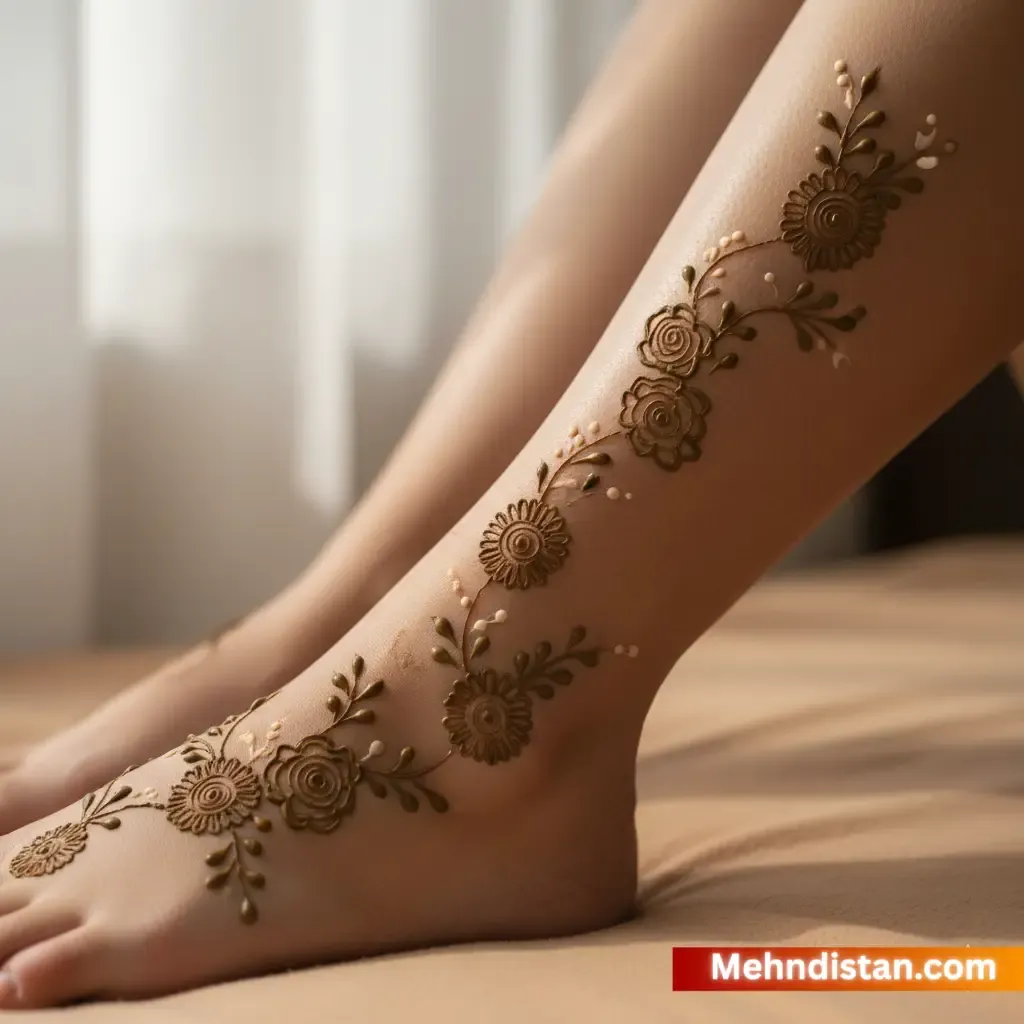
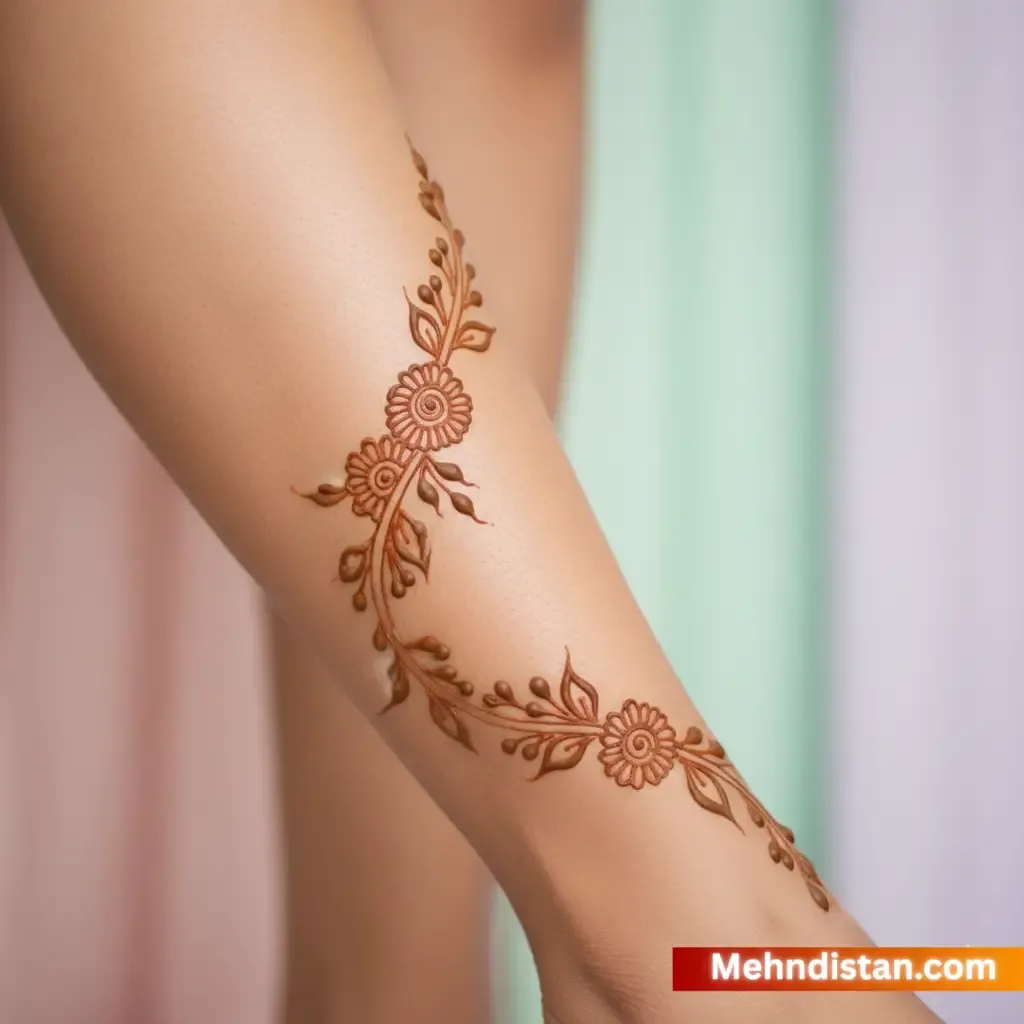
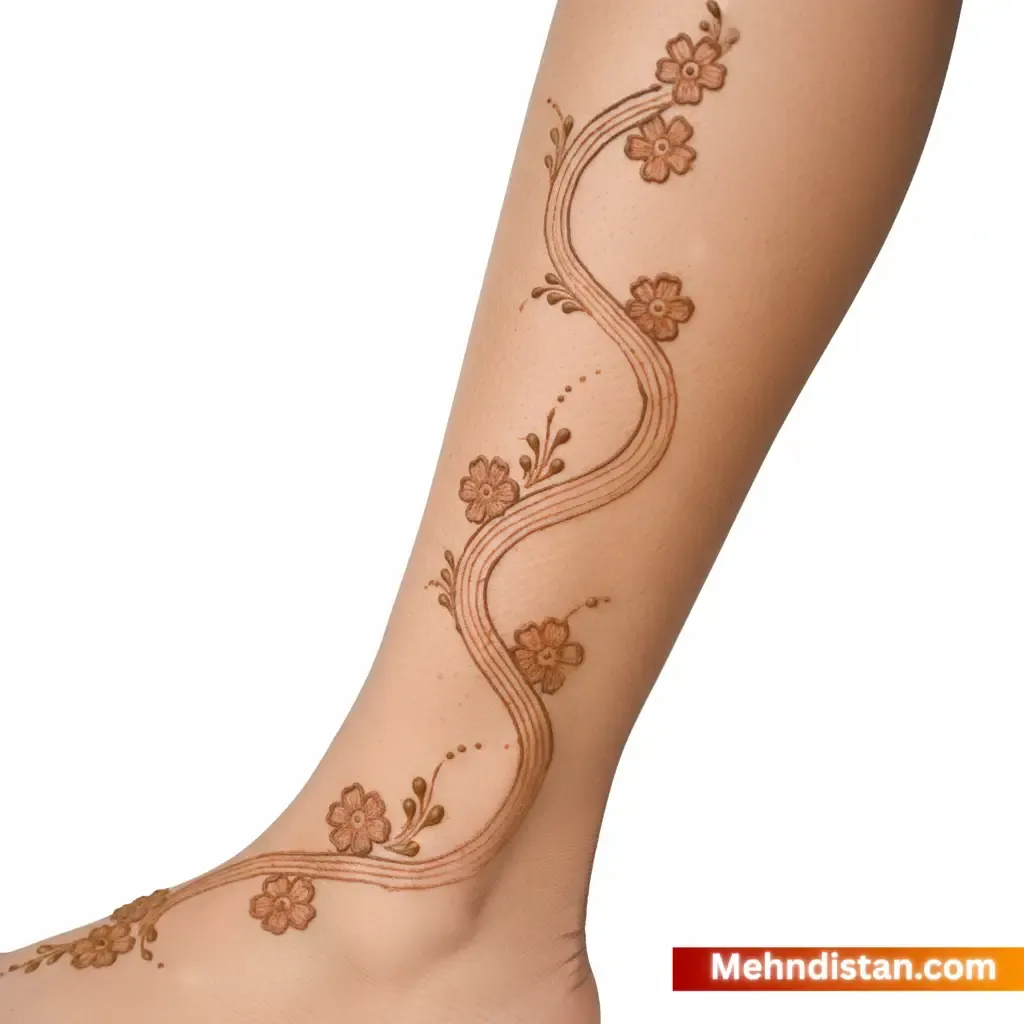
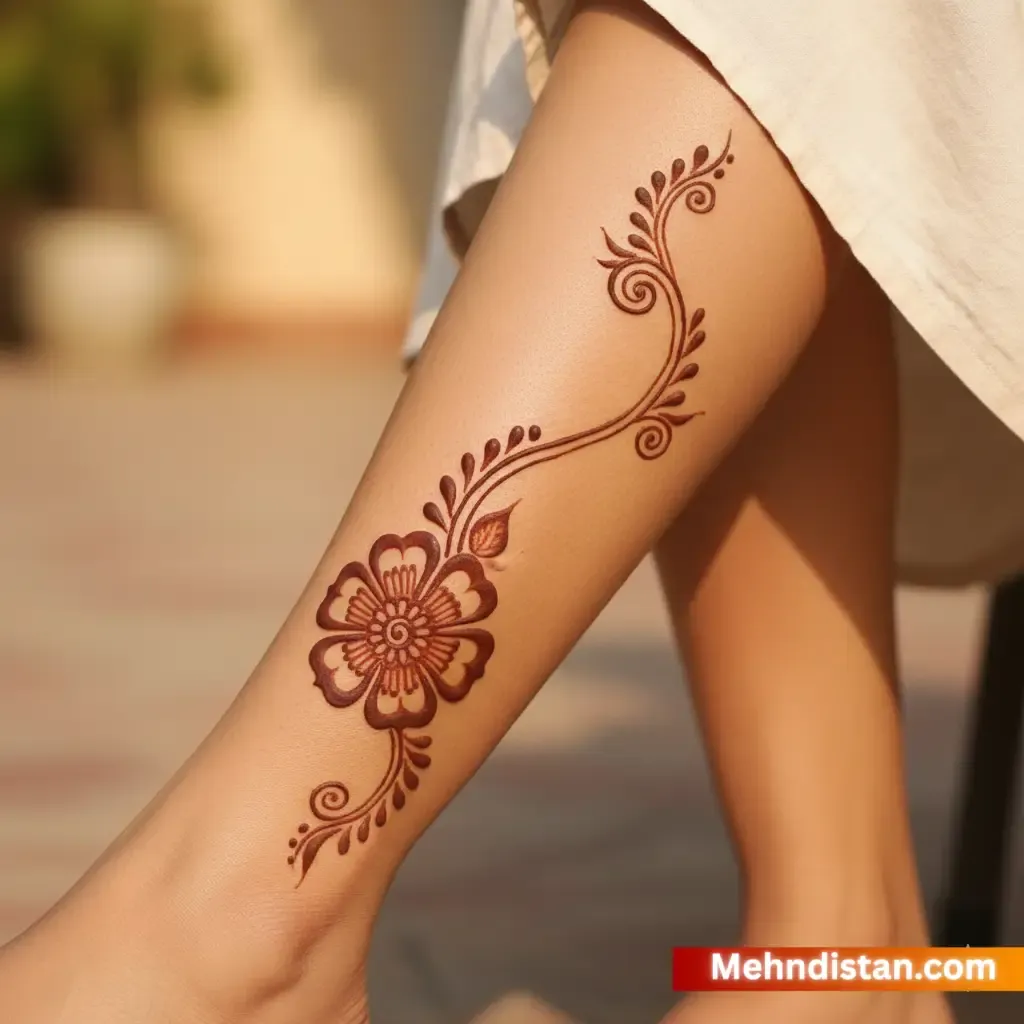
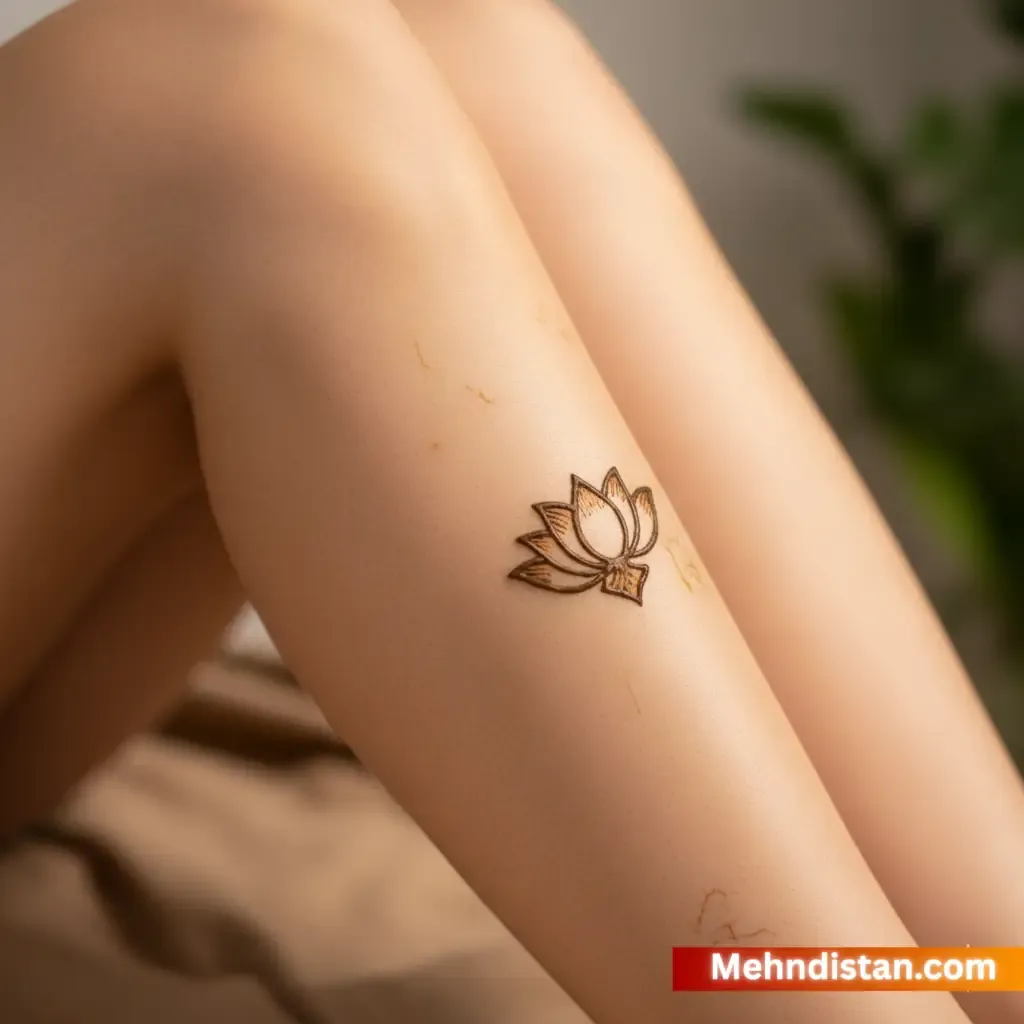
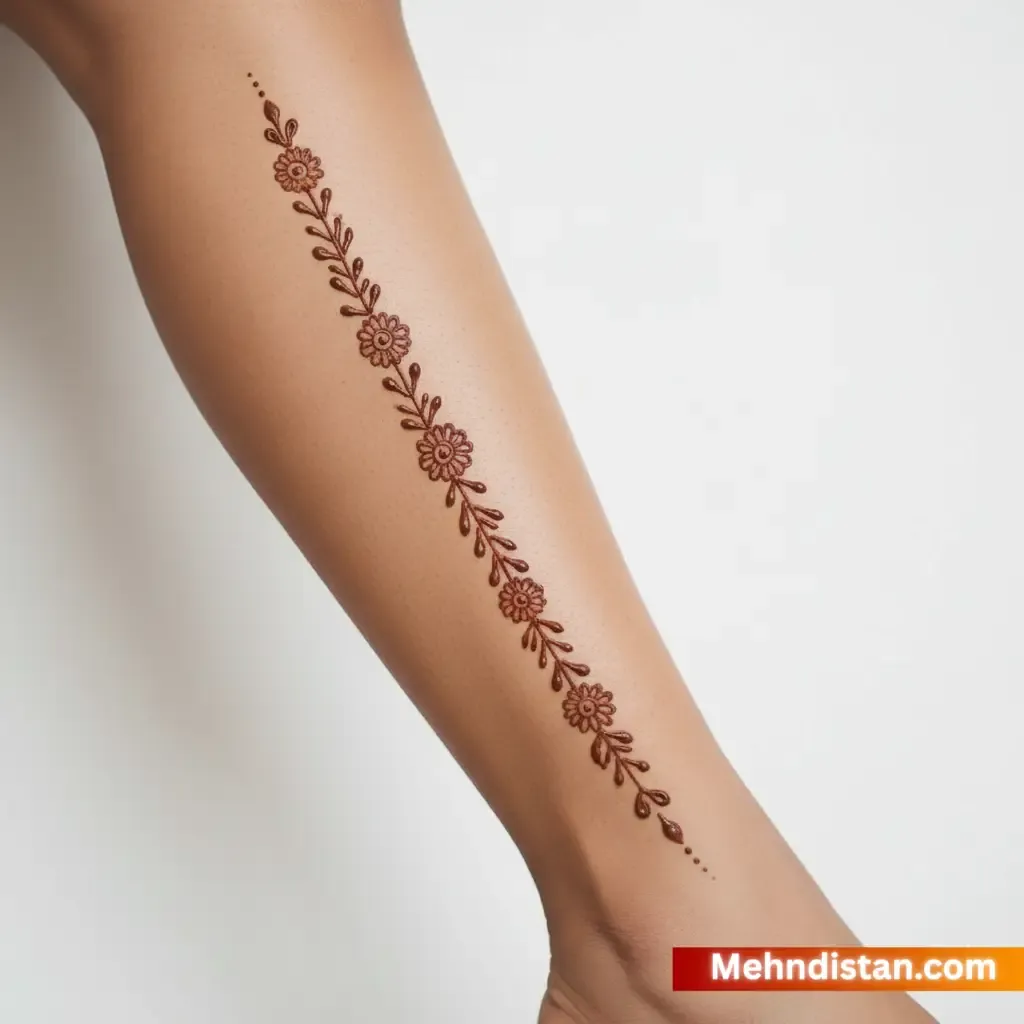
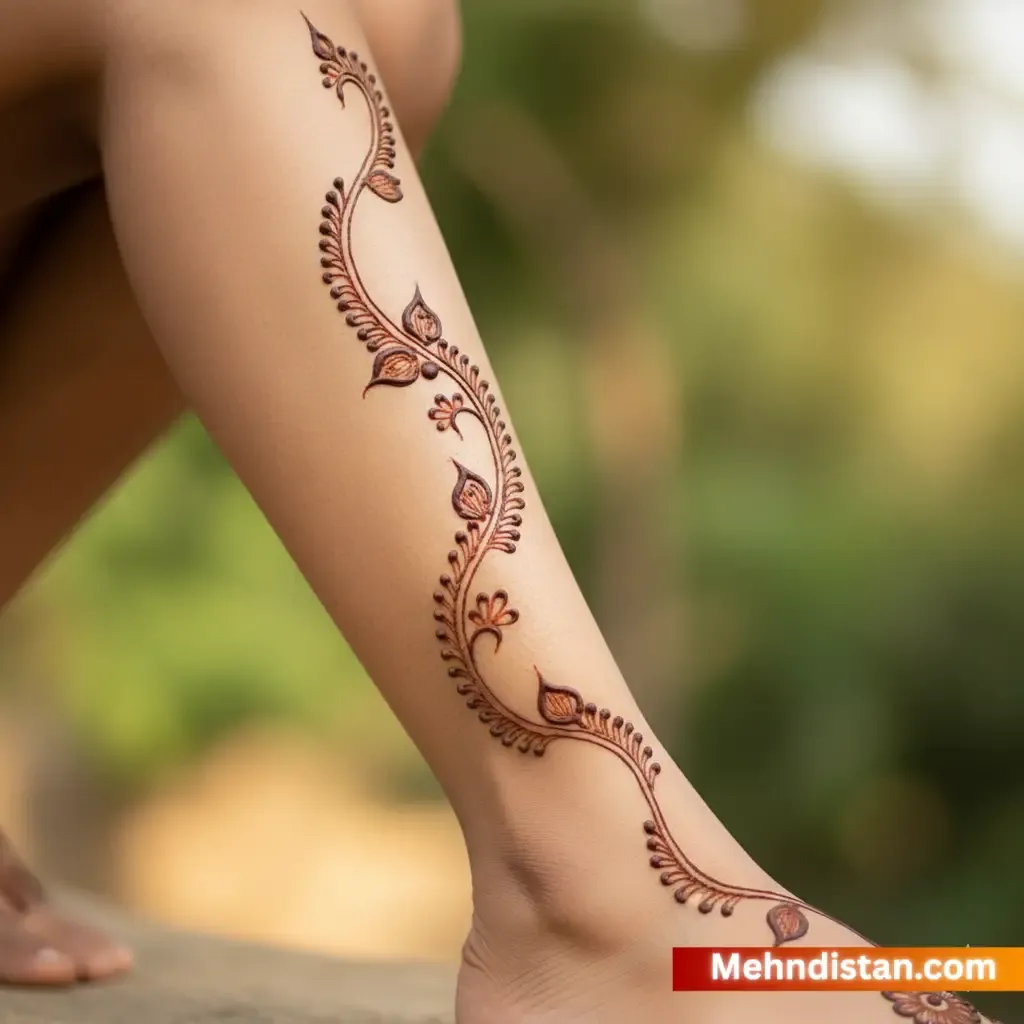
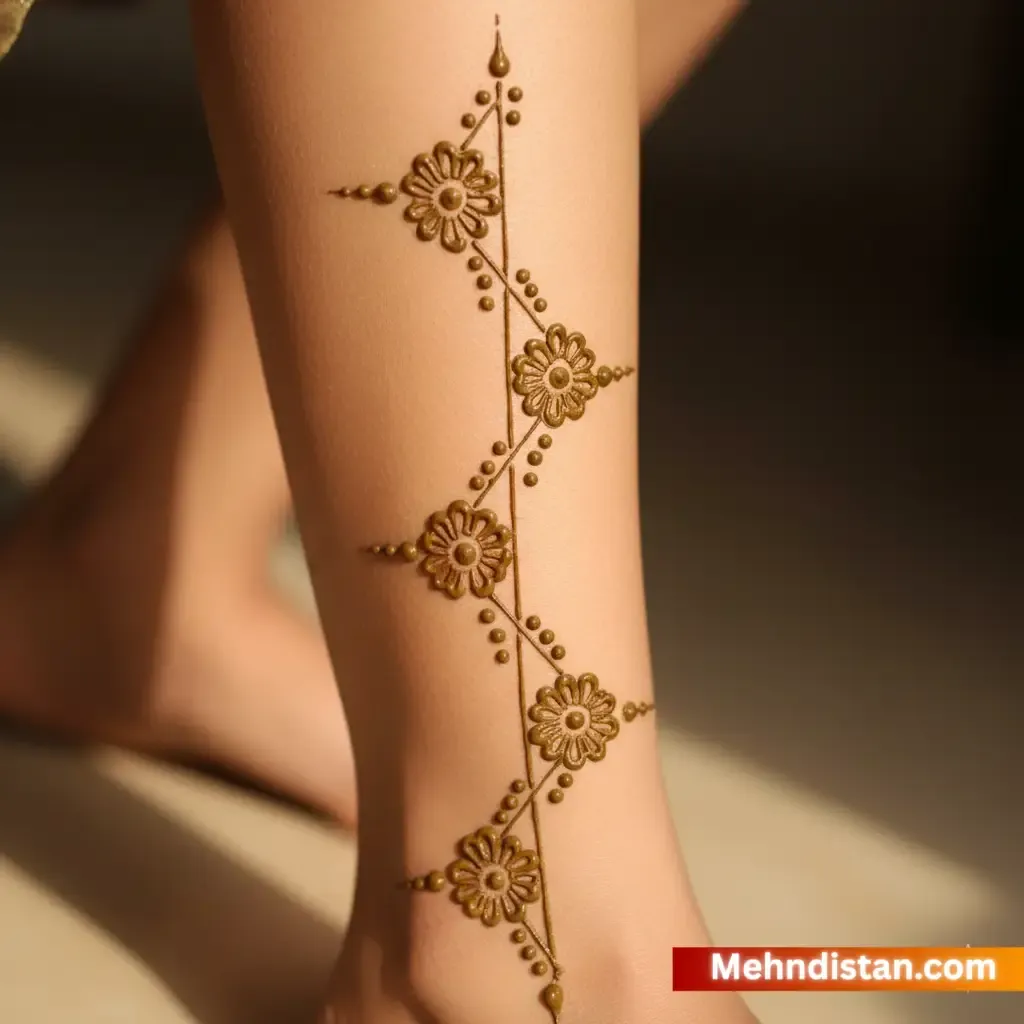
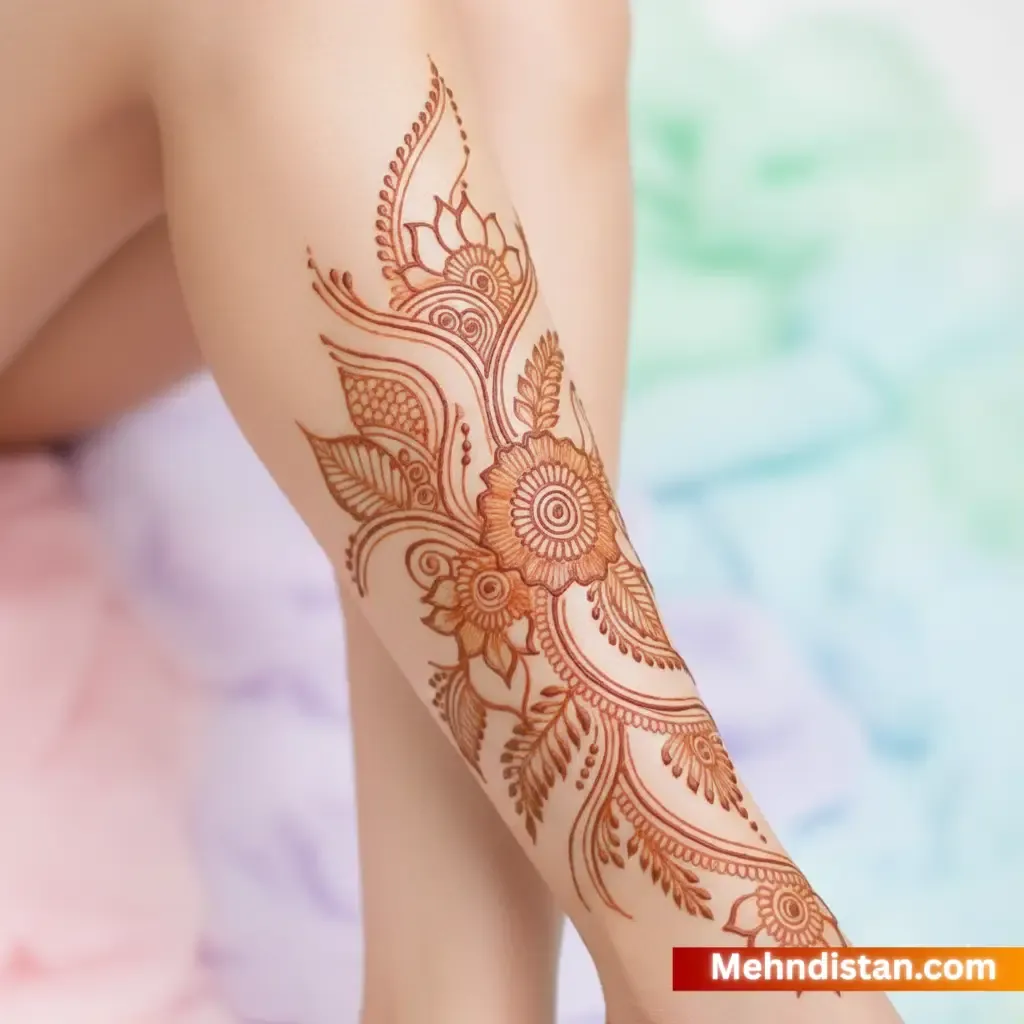
Beautiful Girl Mehndi Design
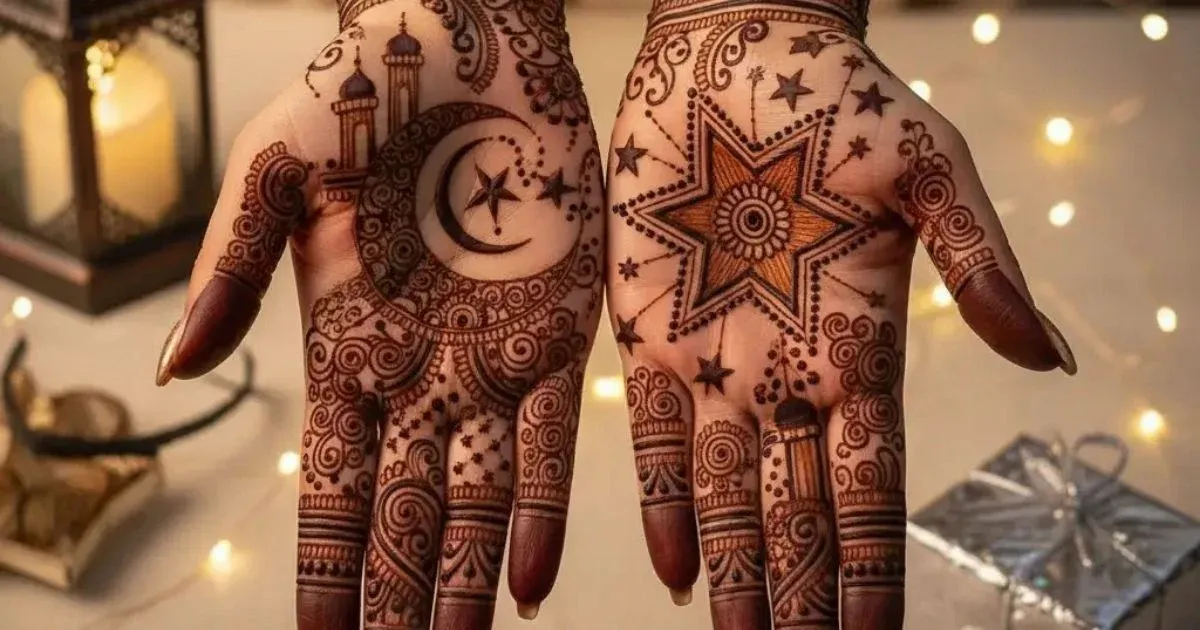
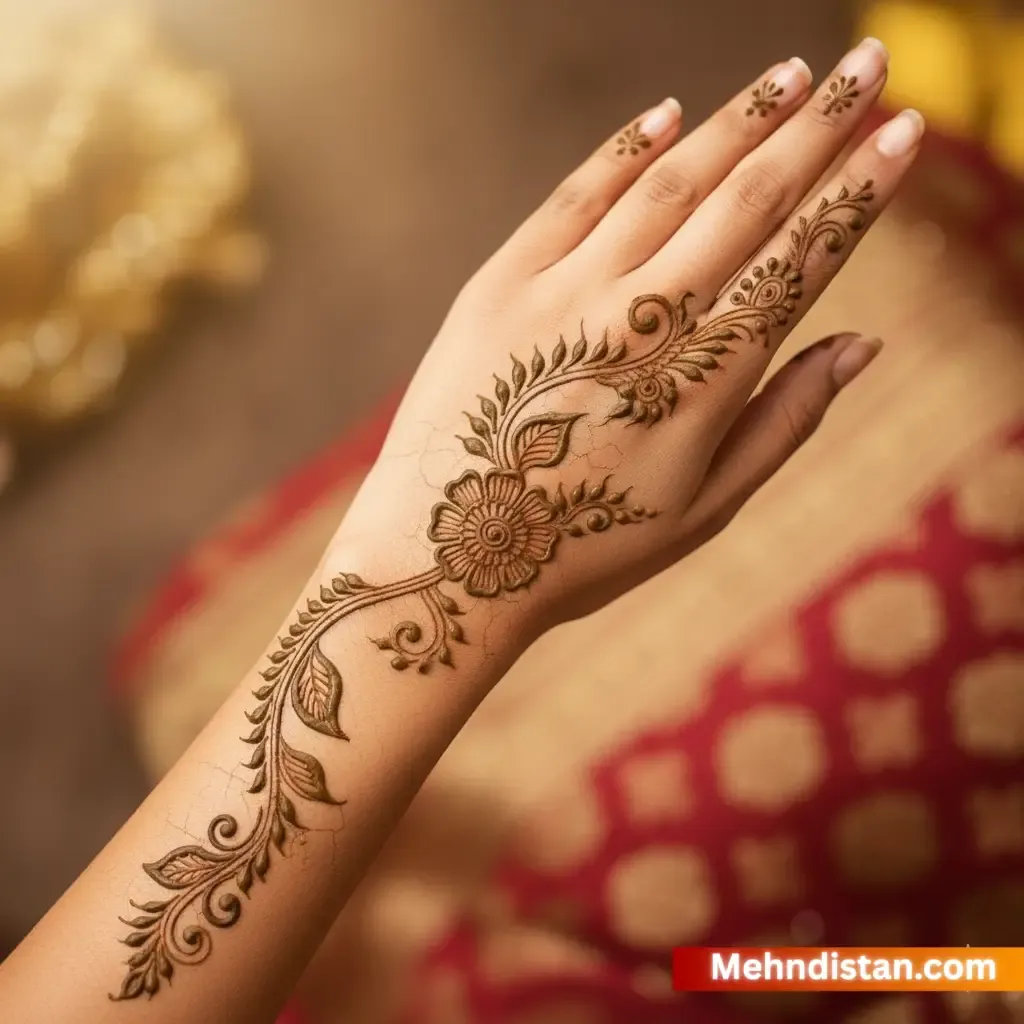
A beautiful girl mehndi design does not have to be complicated. I can create a polished look by combining one strong motif with smaller supporting details, such as flowers, leaves, fine arches, dots, or geometric accents. The best choice is the one that fits my outfit and the occasion.
- For daily wear, I choose lighter patterns with more open space.
- For festivals, I can add floral or traditional details.
- For weddings, I can select a fuller layout with richer pattern density.
Before applying any design, I check the available time, the placement, and whether I need the henna to remain comfortable while eating, working, traveling, or wearing jewelry.
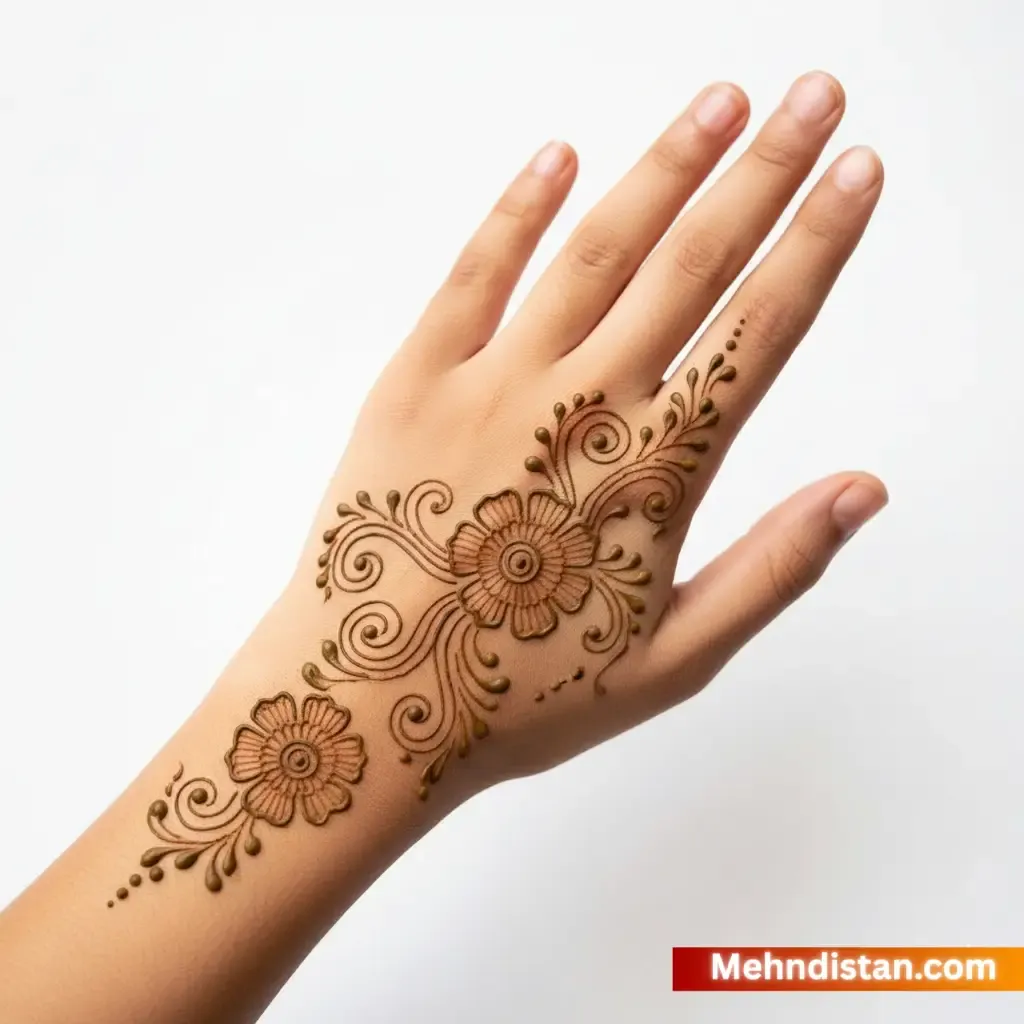
How I Choose the Right Girl Mehndi Design
I use four simple checks before choosing a pattern: occasion, placement, time, and personal style. A small family event may suit a simple front-hand or back-hand design, while a wedding can support a fuller composition. If I have limited time, I choose fewer details and more open space.
- Simple: choose flowers, vines, dots, or a small central motif.
- Stylish: choose jewelry-inspired lines, modern spacing, or fine floral details.
- Traditional: choose fuller coverage, repeated motifs, and classic floral patterns.
- For children: keep the design small, comfortable, supervised, and made with appropriate natural henna.
Common Mehndi Problems and Easy Fixes
Lines are spreading: I check whether the cone is too warm, the paste is too loose, or the skin is damp. I let the paste reach a workable consistency and keep the skin clean and dry.
The stain looks light: Natural henna does not always reach its final shade immediately. I give the stain time to develop and avoid comparing a fresh stain with an older one. If the result remains light, henna quality, application, skin, and aftercare may all be factors.
The design smudges: I avoid touching the wet paste, give it enough drying time, and move carefully. If a small area smears, I clean the surrounding skin gently rather than trying to redraw everything at once.
Skin feels irritated: I stop using the product and remove it if necessary. I avoid black henna and unknown chemical cones, especially for children or sensitive skin.
Frequently Asked Questions
Which girl mehndi design is easiest for beginners?
I would choose a simple floral, leafy, dotted, or single-vine design because it uses basic shapes and leaves room for clean spacing.
Which design is better for the front hand?
A central floral, mandala, leafy trail, or connected full-hand composition works well because the palm provides enough space for a clear focal point.
What is a good back-hand style for girls?
I like jewelry-inspired patterns, vines, small mandalas, and floral trails on the back hand because they can look stylish without heavy coverage.
Can children use mehndi?
Natural henna is generally the type people choose for traditional skin decoration, but children should be supervised and products with black henna or unknown chemical dyes should be avoided. A patch test can help identify sensitivity.
How can I get a better natural henna stain?
I start with clean, dry skin, use good-quality natural henna, let the paste dry without disturbing it, and follow sensible aftercare. The final shade still varies by person and application.
Final Thoughts
With so many girl mehndi design ideas available, I do not need the most complicated pattern to create a beautiful look. I can choose a design that suits my age, outfit, occasion, available time, and preferred level of detail. The collection above gives me simple, full-hand, front-hand, back-hand, child-friendly, leg, and stylish options to explore.
Most importantly, I choose natural, clearly labeled henna and avoid products that may contain unsafe dyes. A clean application, sensible aftercare, and a design that feels comfortable can make the final result much more enjoyable. When I compare several ideas, I also look at how the pattern will sit on my hand rather than choosing only because a design looks impressive in a photo. A smaller motif can look better on a petite hand, while a larger palm can carry a more detailed arrangement. I also consider whether I want matching designs on both hands or slightly different layouts that still share the same main motifs.
If I am preparing for a festival or wedding, I choose the design early enough to practice the most important lines and decide how much coverage I really want. For a casual day, I can keep the pattern lighter and quicker. For a special event, I can build the same basic idea into a richer composition by adding flowers, vines, finger details, or a decorative wrist element. This approach helps me keep the final girl mehndi design personal, balanced, and practical instead of simply copying every detail from a reference image.