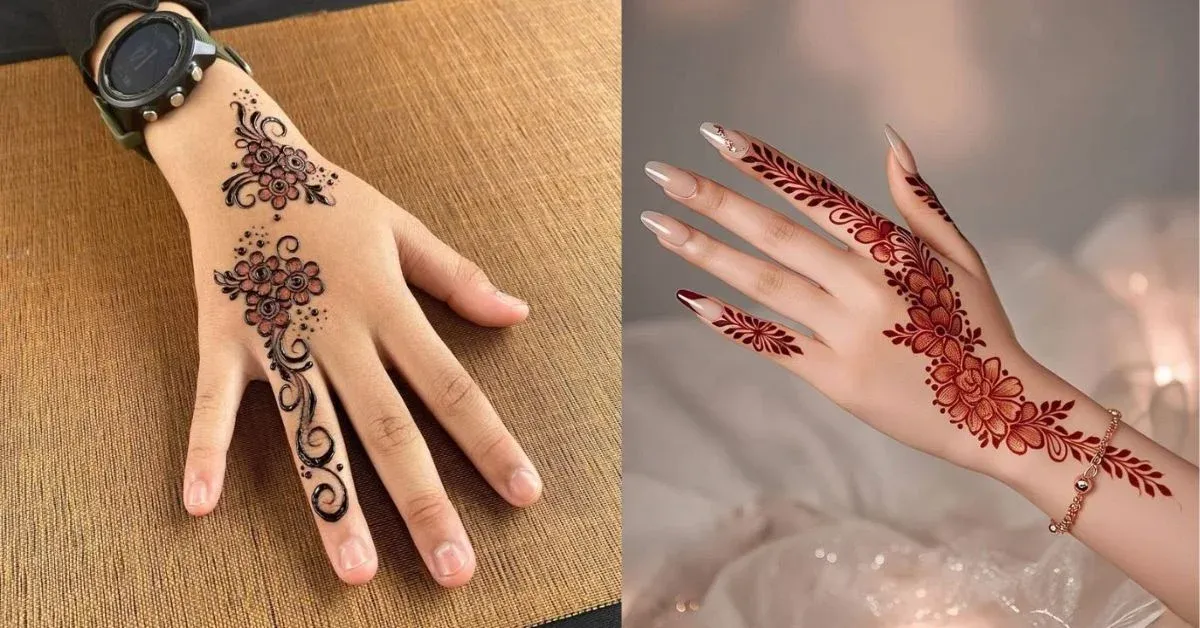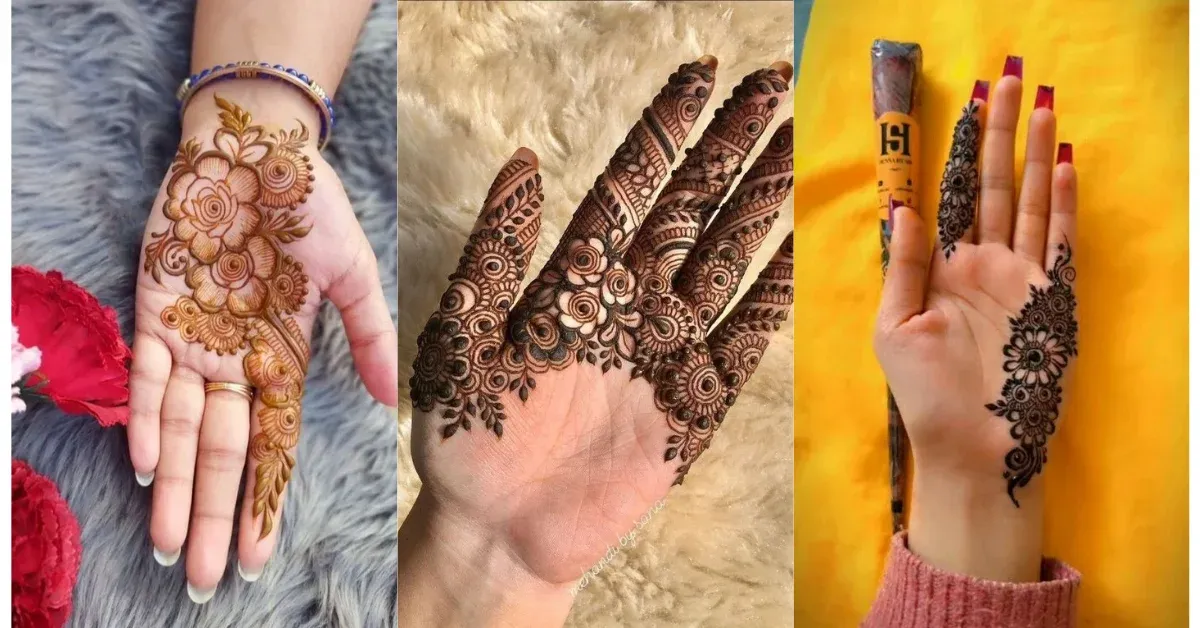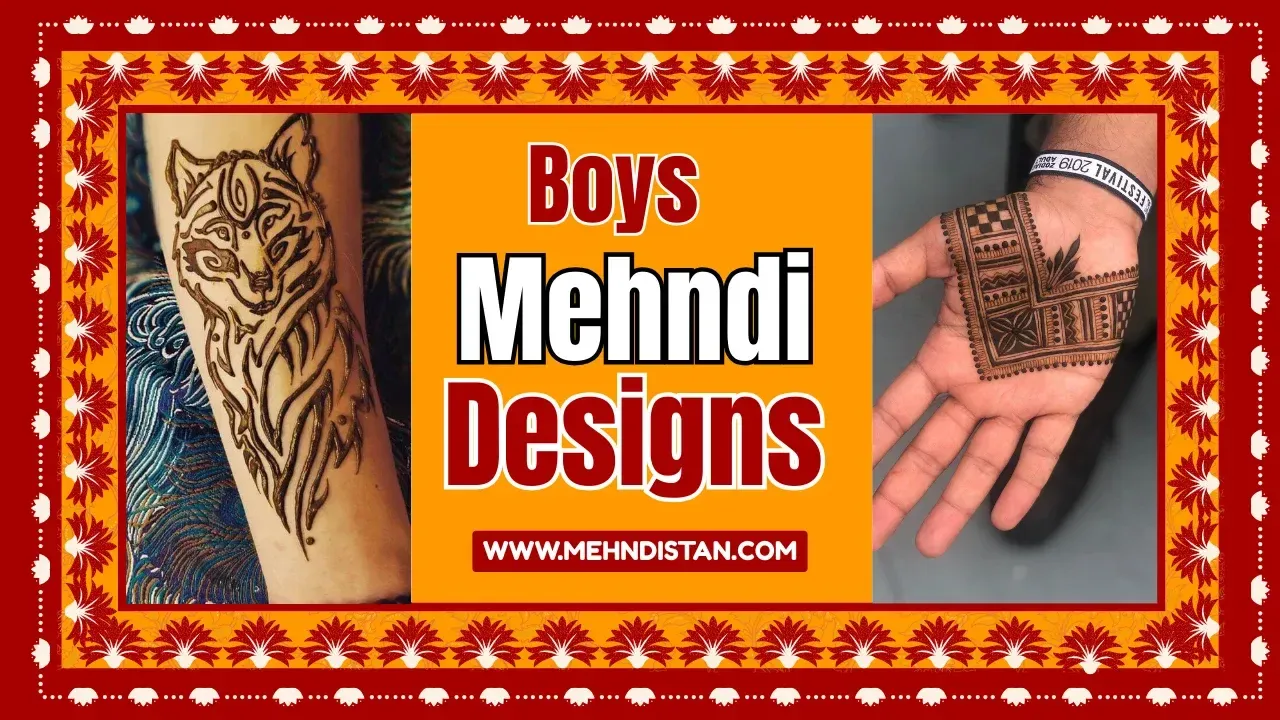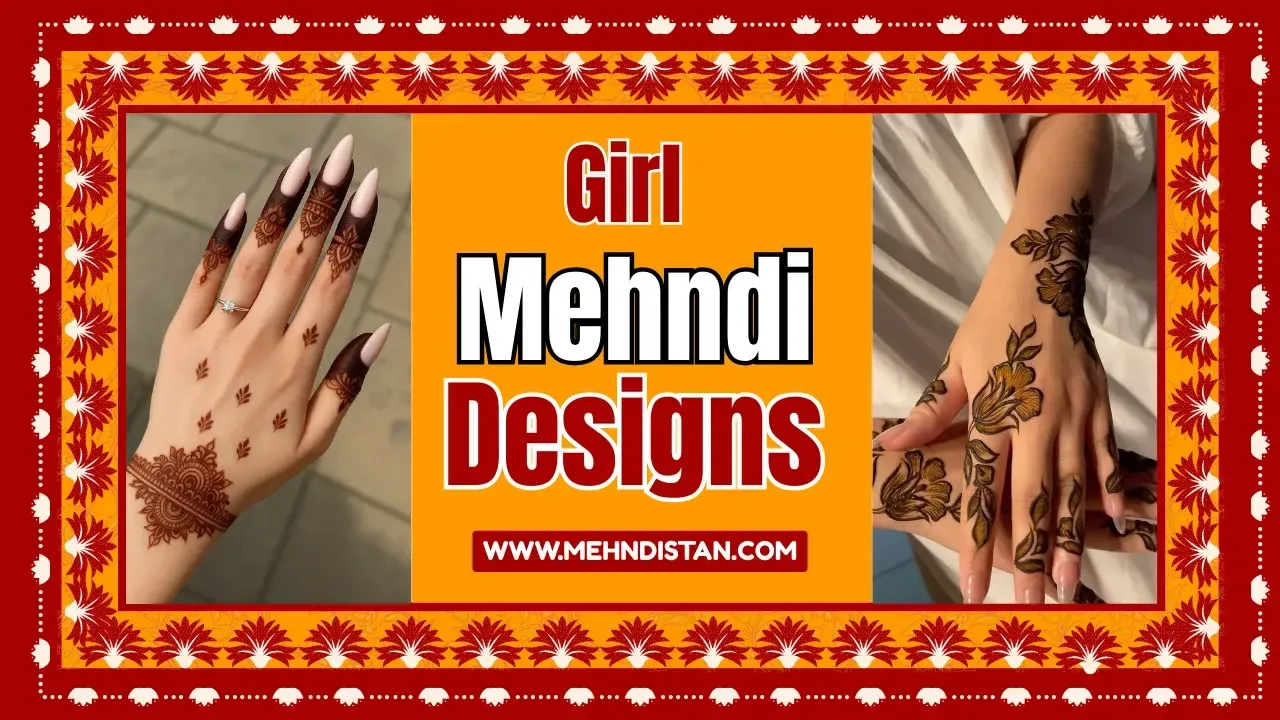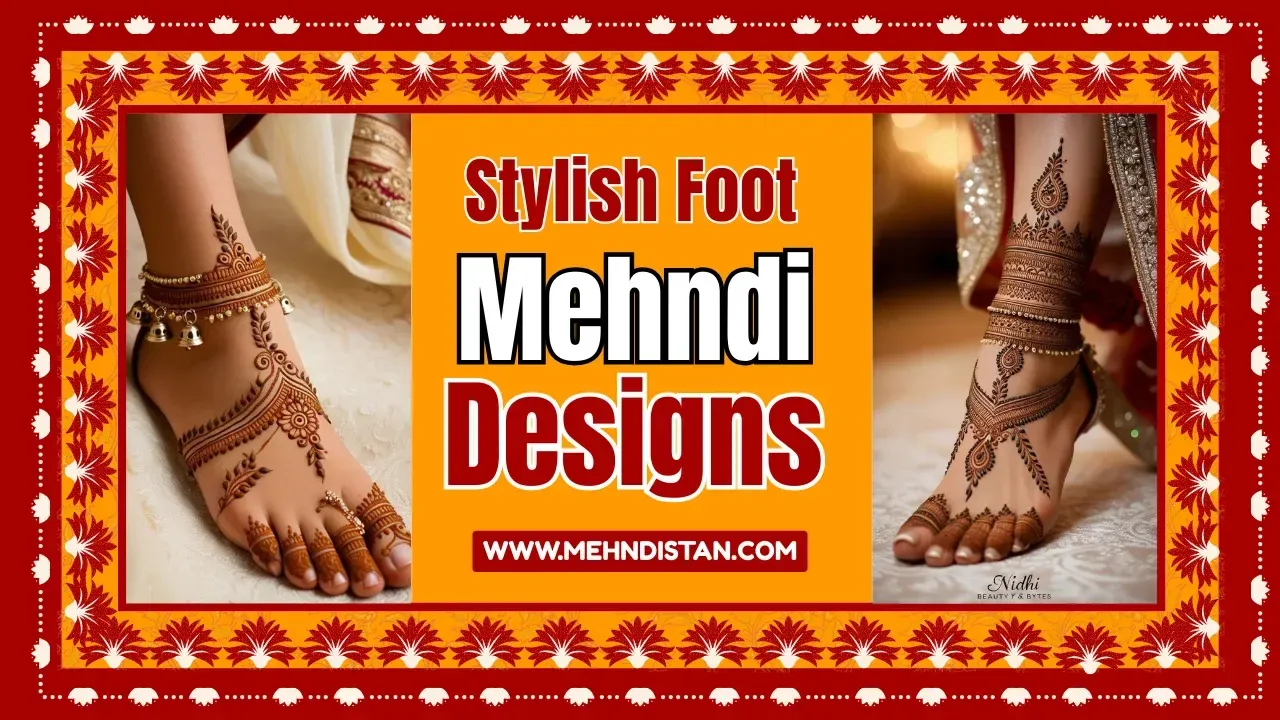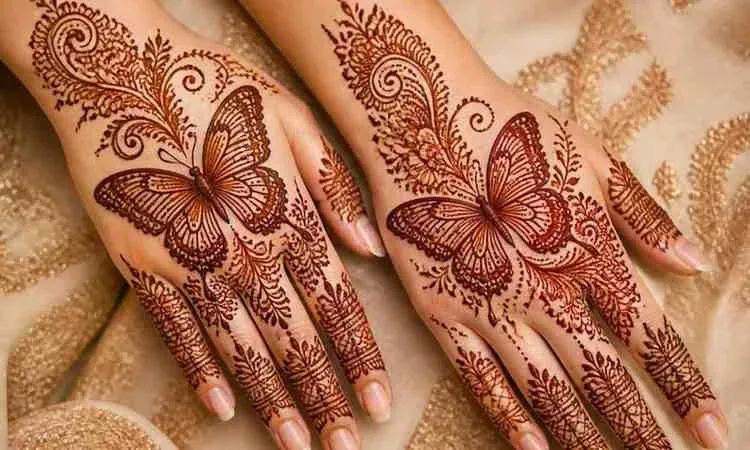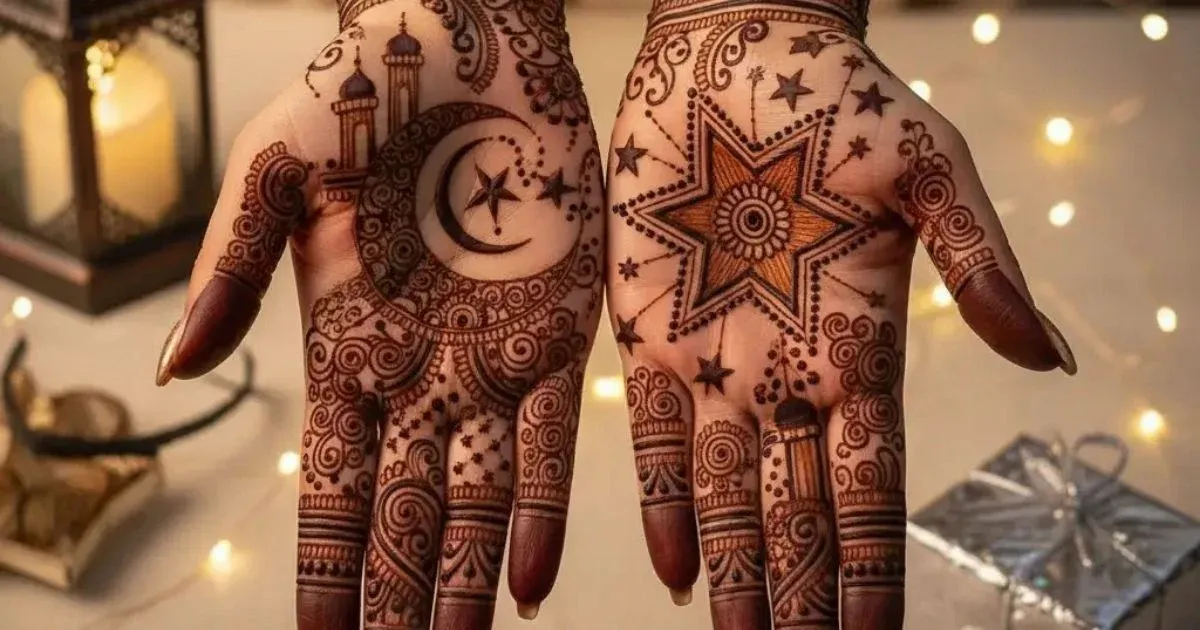
I see Muslim mehndi design as a broad collection of henna styles chosen for weddings, Eid, family celebrations, and other special occasions. The most useful ideas range from simple floral patterns and elegant Arabic trails to detailed bridal, Pakistani, front-hand, and back-hand designs. In this collection, I’m sharing 350+ Muslim mehndi design ideas for 2026 so I can quickly compare different levels of detail and choose a pattern that suits my hand and occasion.
There is no single design that defines mehndi for every Muslim community. Styles vary by family, region, and personal preference, so I focus on the visual patterns rather than attaching religious meaning to motifs that may simply be decorative. For a simple look, I prefer open space, flowers, leaves, and clean lines; for bridal occasions, I can choose fuller compositions with paisleys, florals, geometric details, and carefully balanced extensions.
Muslim Mehndi Design Ideas
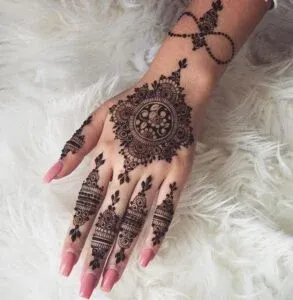
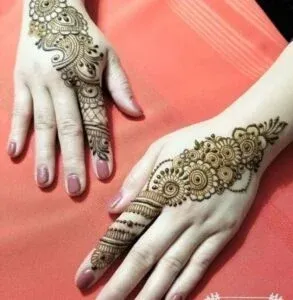
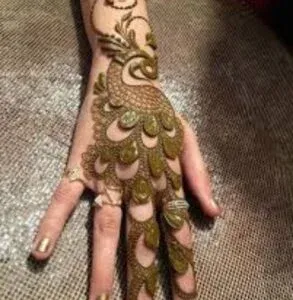
When I browse Muslim mehndi design ideas, I look first at the overall density and placement. A central motif can keep a front or back hand organized, while vines and small flowers can connect separate elements without making the pattern feel crowded. I also like designs that leave some natural skin visible because the contrast makes the main artwork easier to notice.
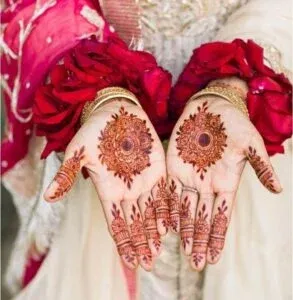
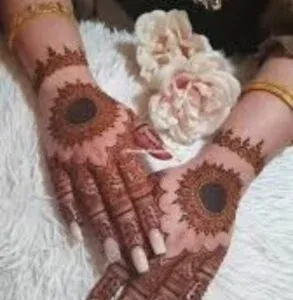
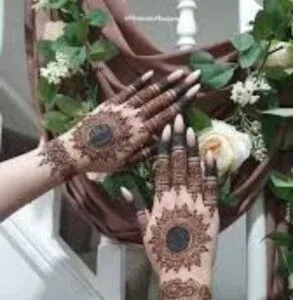
Islamic Mehndi Design
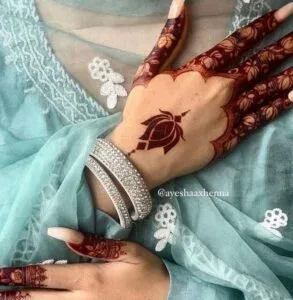
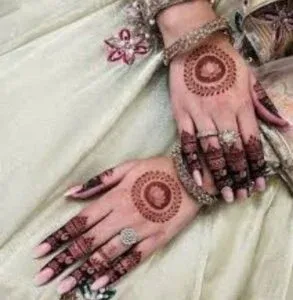
When I search for an Islamic mehndi design, I keep an important distinction in mind: henna is widely used in Muslim communities, but mehndi patterns are not automatically religious symbols. I can choose floral, geometric, leafy, paisley, or other decorative artwork while keeping the overall style appropriate for the occasion and my own preferences.
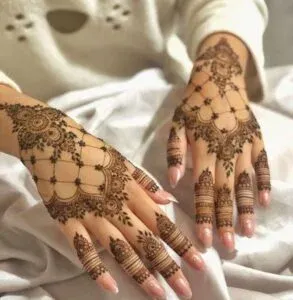
Muslim Bridal Mehndi Design
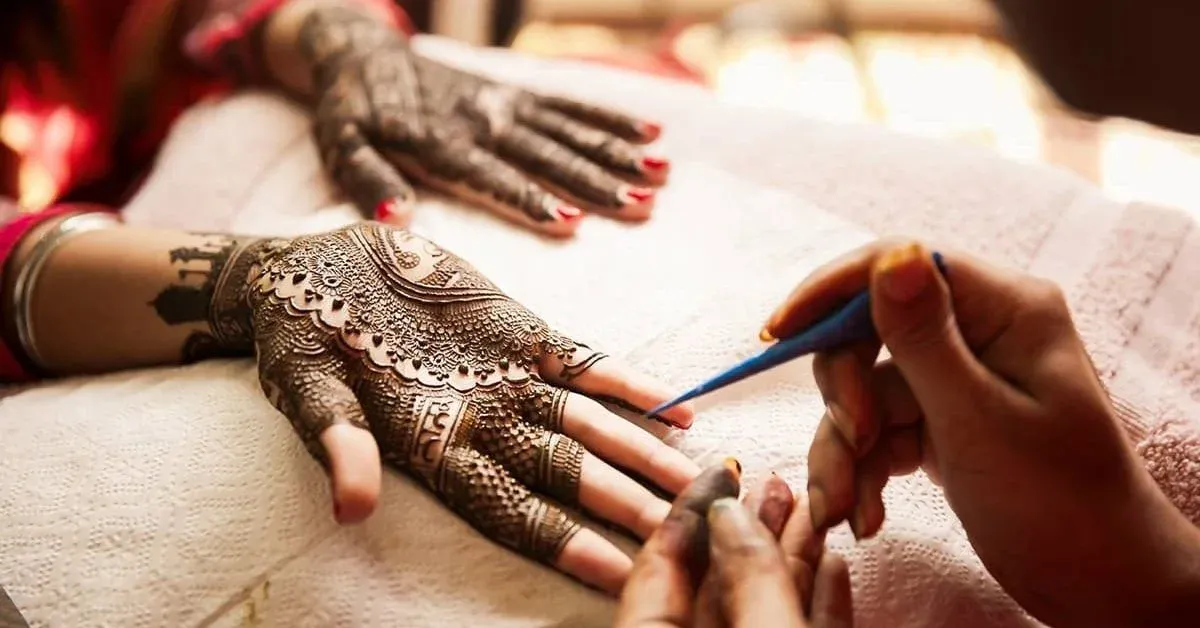
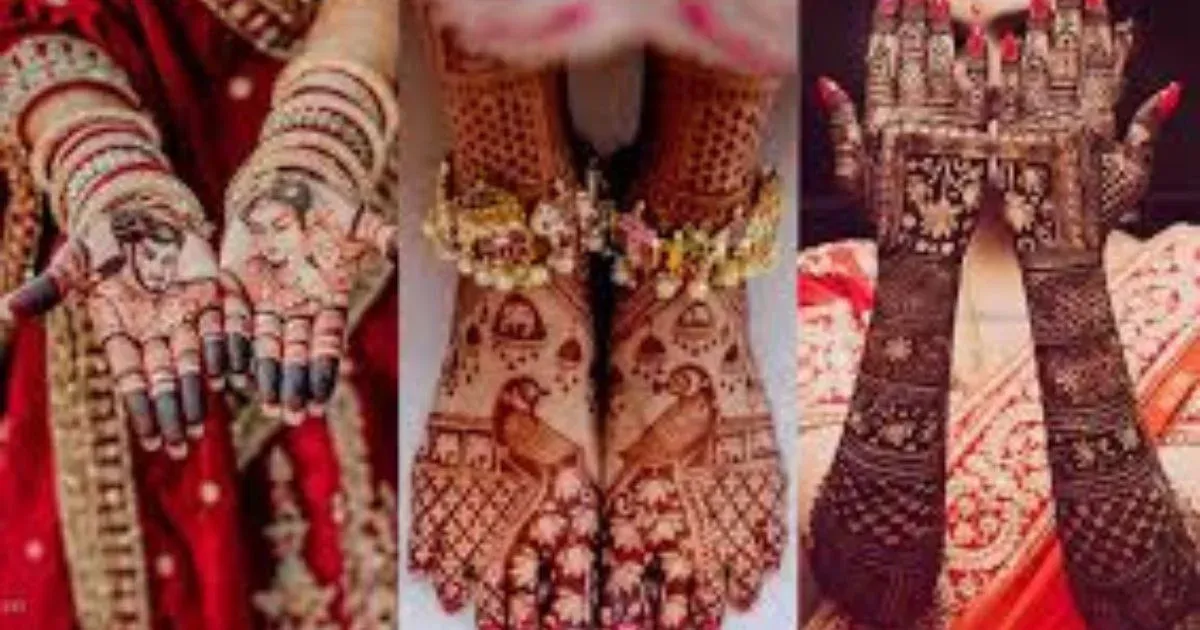
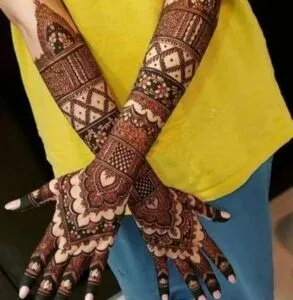
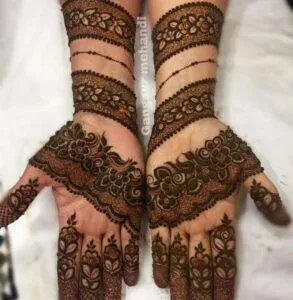
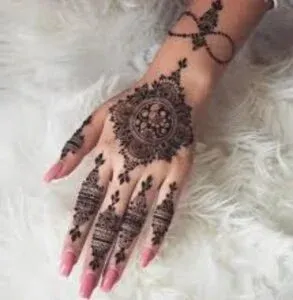
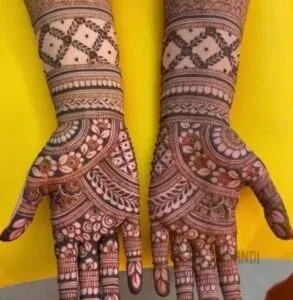
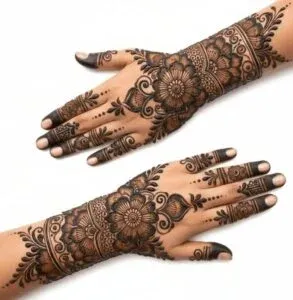
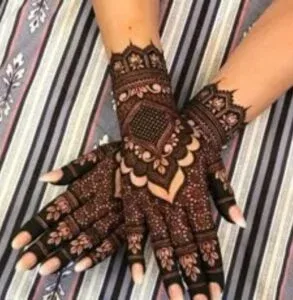
For a Muslim bridal mehndi design, I would choose a fuller pattern when I want a traditional wedding look. I can combine paisleys, flowers, leafy trails, fine lines, and geometric fillers across the hands while keeping the main motifs easy to recognize. If I prefer a lighter bridal style, I can reduce the filling and let a few larger motifs become the focus.
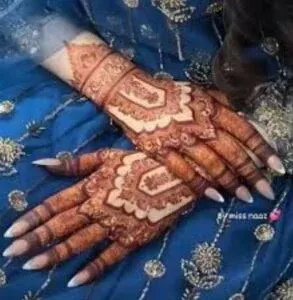
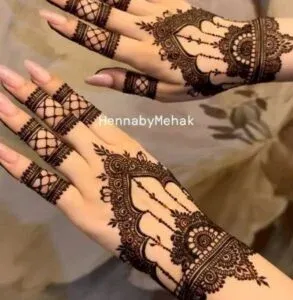
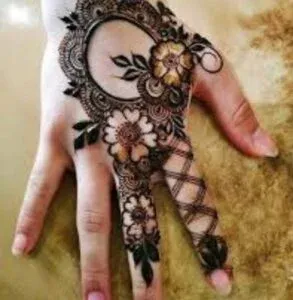
Muslim Mehndi Design Back Hand
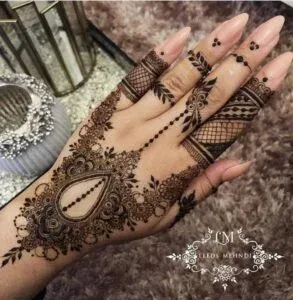
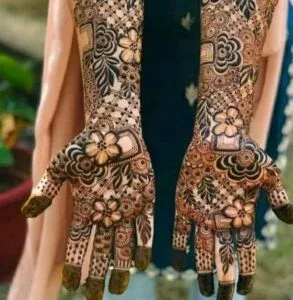
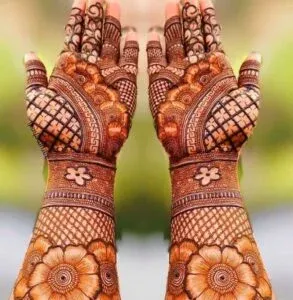
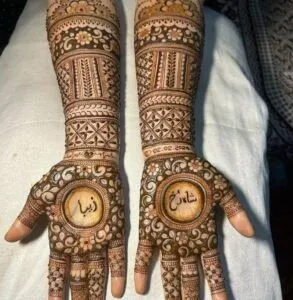
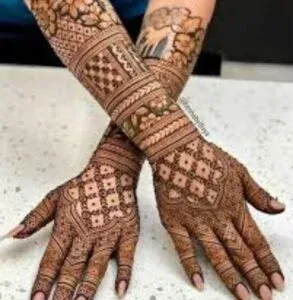
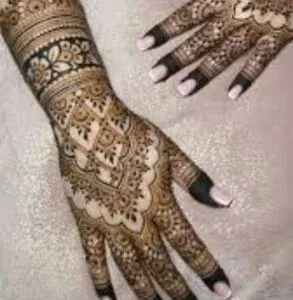
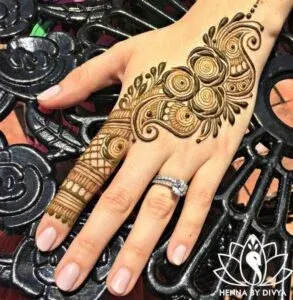
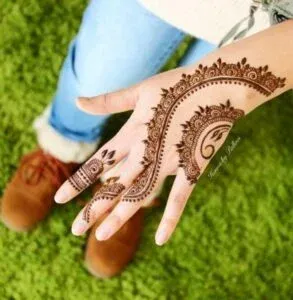
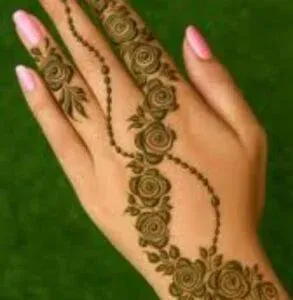
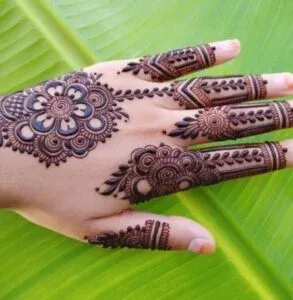
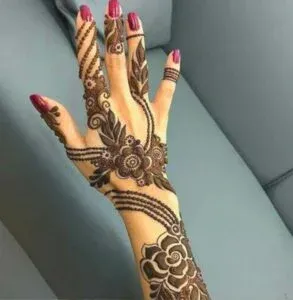
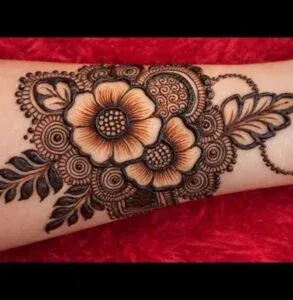
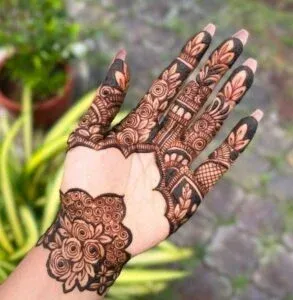
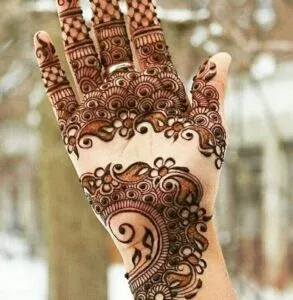
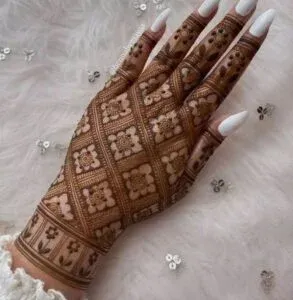
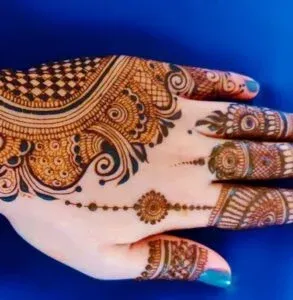
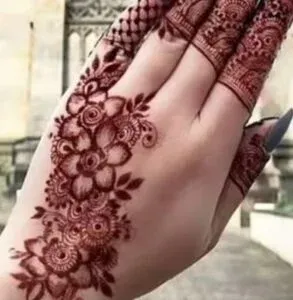
For the back hand, I like placing one clear central motif and extending it toward the fingers or wrist. Paisleys, flowers, leaves, and geometric details can be arranged around that focal point. This makes the design visible and balanced without requiring every part of the hand to be filled.
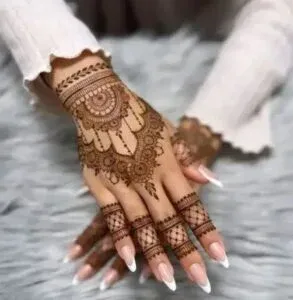
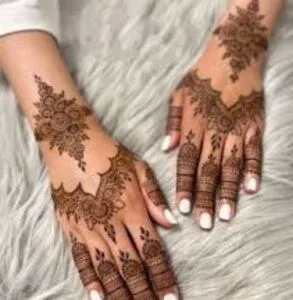
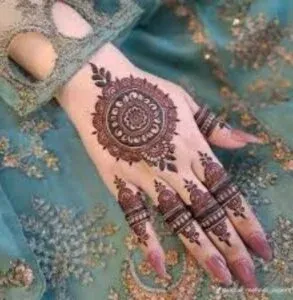
Simple Muslim Mehndi Design
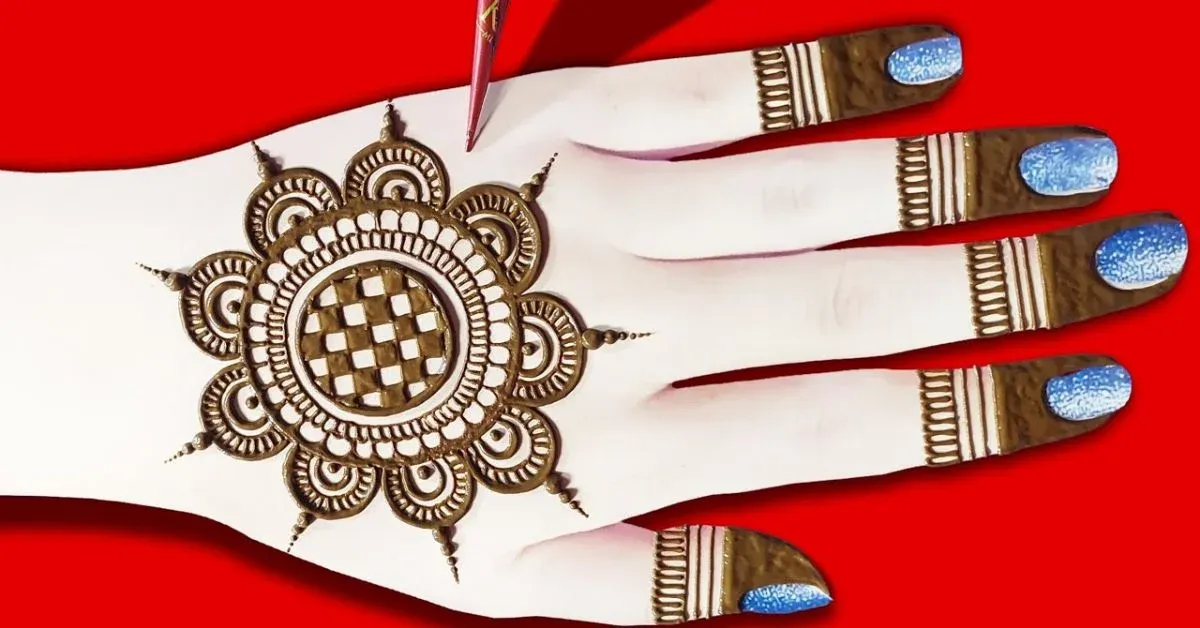
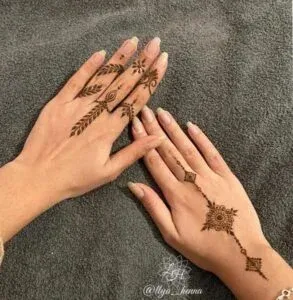
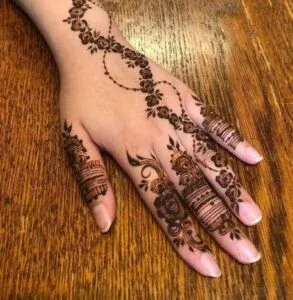
When I want a simple Muslim mehndi design, I avoid unnecessary filling and focus on a few clean motifs. A small flower, leafy vine, paisley, dots, or a simple geometric shape can create a finished look without taking much time. This style is useful for everyday wear, smaller celebrations, or anyone who prefers a neat pattern.
Muslim Style Mehndi Design
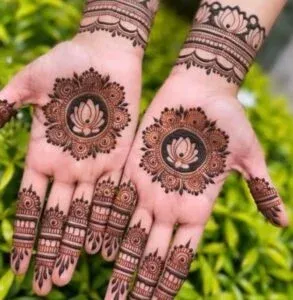
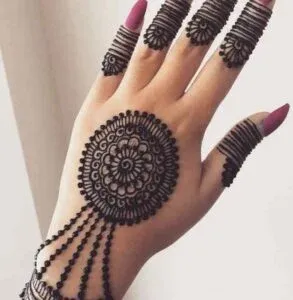
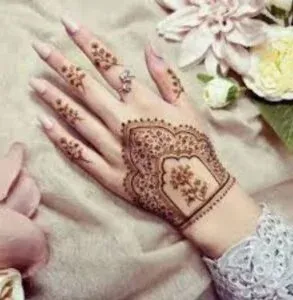
Muslim-style mehndi can be adapted to a very traditional or a more contemporary look. I can use repeated floral details for a softer appearance, sharper geometric elements for a modern feel, or a combination of both. The best choice depends on whether I want the design to look delicate, decorative, or richly detailed.
Modern Muslim Mehndi Design
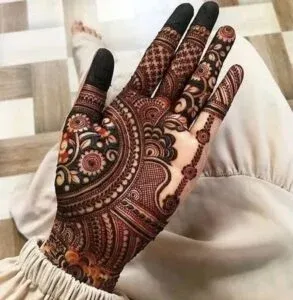
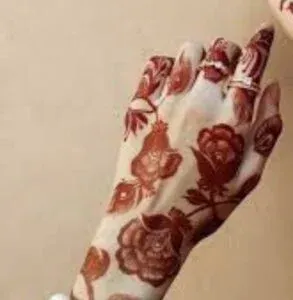
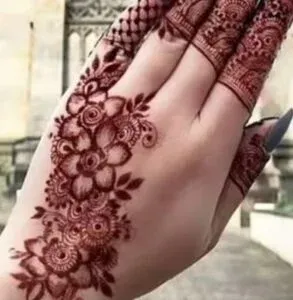
For a modern Muslim mehndi design, I usually look for cleaner shapes, controlled line work, negative space, and fewer heavy fillers. A single large flower, an open paisley, an asymmetrical composition, or a delicate vine can give the pattern a contemporary appearance while keeping the connection to familiar mehndi artwork.
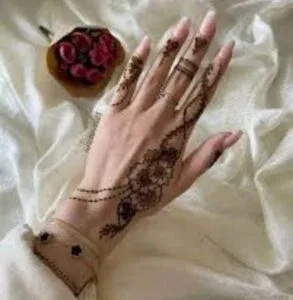
Muslim Mehndi Design Front Hand
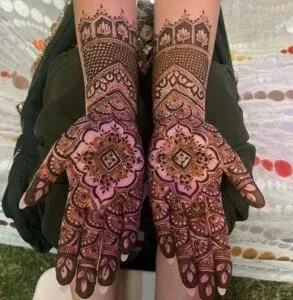
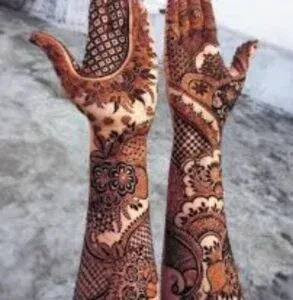
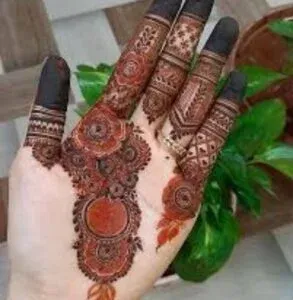
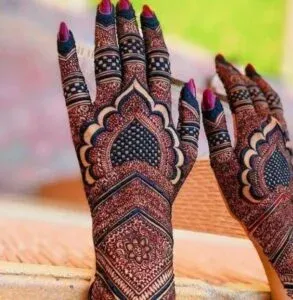
For the front hand, I can build the design around the palm and let the pattern flow toward the wrist and fingers. Floral centers, paisleys, mandalas, vines, and small geometric fillers all work well. If I want an easy-to-read result, I keep the main palm motif larger and use smaller details around it.
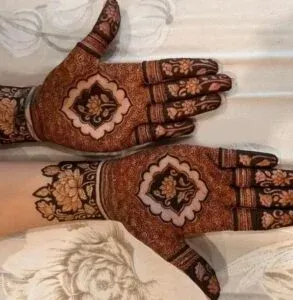
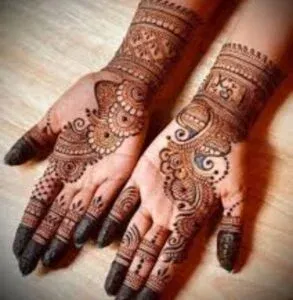
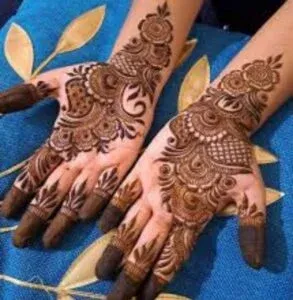
Muslim Pakistani Mehndi Design
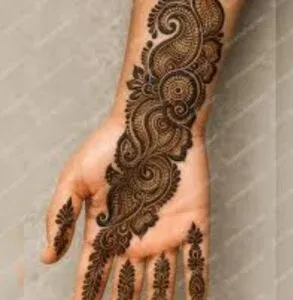
Pakistani-inspired mehndi often gives me a mix of bold focal motifs and detailed supporting work. I can combine paisleys, flowers, leafy trails, fine lattice details, and geometric accents to create a layered appearance. For a lighter version, I can use just one or two prominent motifs with open space around them.
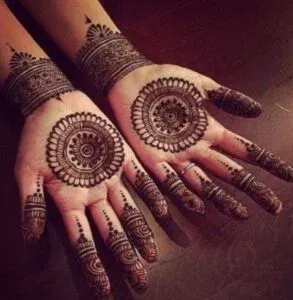
Muslim Arabic Mehndi Design
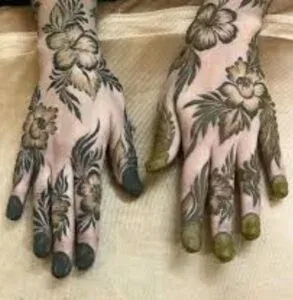
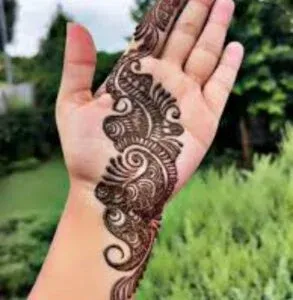
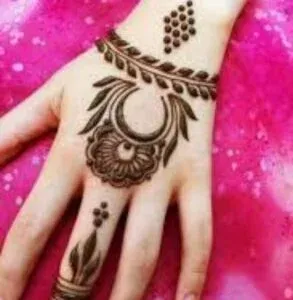
Arabic-style mehndi is one of my favorite choices when I want a design with a clear flowing direction. Bold flowers, elongated paisleys, leaves, and curved vines can travel diagonally across the hand while leaving visible gaps. That open composition makes the pattern look elegant without requiring dense coverage.
How I Choose the Right Muslim Mehndi Design
- For a simple look: I choose a small floral, leafy, paisley, or geometric pattern with plenty of open space.
- For the front hand: I look for a central palm motif with balanced extensions toward the fingers and wrist.
- For the back hand: I prefer a visible focal motif with lighter surrounding details.
- For a bridal look: I choose richer coverage and combine several complementary motifs without overcrowding them.
- For a modern style: I use clean outlines, asymmetry, negative space, and restrained filling.
- For an Arabic style: I choose flowing diagonal vines, flowers, and paisleys.
Common Muslim Mehndi Problems and Easy Fixes
- Lines spread: I use a fine cone opening and steady pressure so the paste does not come out too quickly.
- The design looks crowded: I remove unnecessary fillers and leave small areas of natural skin visible.
- The stain looks light: I let the paste dry naturally and follow the aftercare instructions supplied with the henna product.
- The paste smudges: I protect the wet design from rubbing, water, and accidental contact while it sets.
- Skin becomes irritated: I remove the paste and stop using it if irritation develops. I avoid unknown chemical or so-called black henna products.
Frequently Asked Questions
What is a Muslim mehndi design?
I use the term broadly for mehndi styles popular among Muslim communities, especially for weddings, Eid, and other celebrations. The actual patterns vary by region and personal taste.
Which Muslim mehndi design is easiest for beginners?
I would start with a small floral or leafy design using simple outlines, dots, and a few curves. It is easier to control than a dense full-hand pattern.
Can I choose an Arabic style for a Muslim wedding?
Yes. Arabic-style patterns can be adapted for weddings by increasing the level of detail while keeping the characteristic flowing flowers, paisleys, and leafy trails.
Is a simple Muslim mehndi design suitable for Eid?
Yes. I can choose a small floral, paisley, vine, or geometric pattern when I want a festive look without covering the entire hand.
How can I make my Muslim mehndi design look modern?
I keep the lines clean, use negative space, limit heavy filling, and choose a few well-placed motifs instead of making every area equally detailed.
Final Thoughts
Muslim mehndi design gives me many options, from simple everyday patterns to detailed bridal artwork. I can choose floral, paisley, geometric, Arabic, Pakistani, front-hand, or back-hand styles according to the space available and the occasion. Rather than looking for one fixed formula, I find it more useful to choose a design that feels balanced, comfortable, and visually clear. That makes it easier to enjoy the beauty of the henna while keeping the final pattern suited to my personal style.