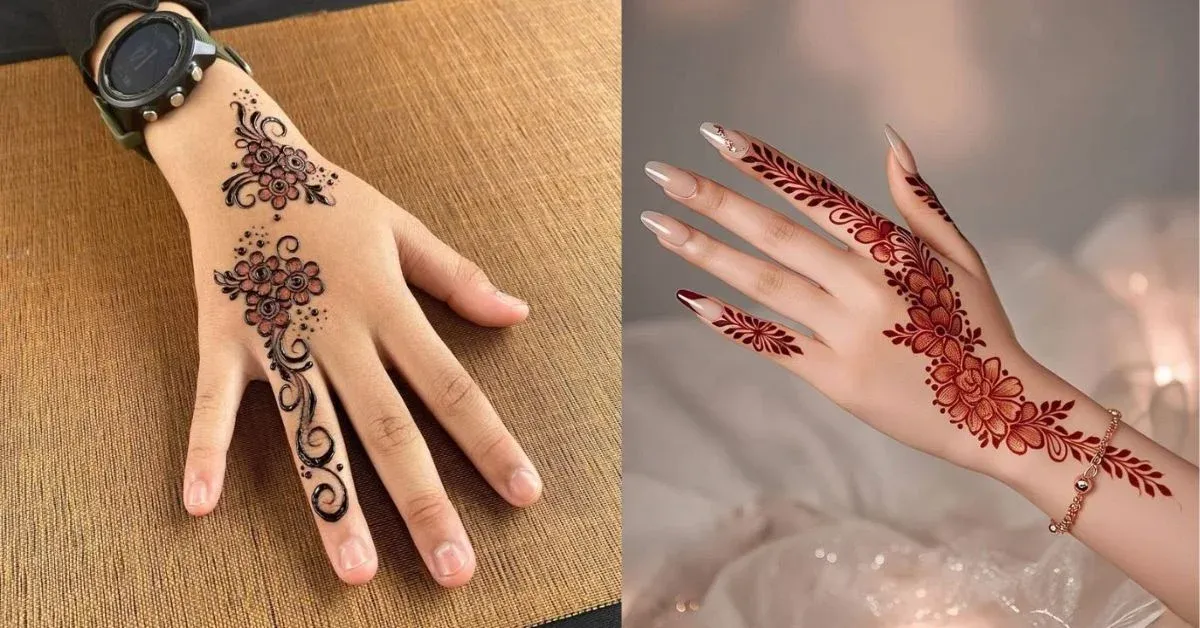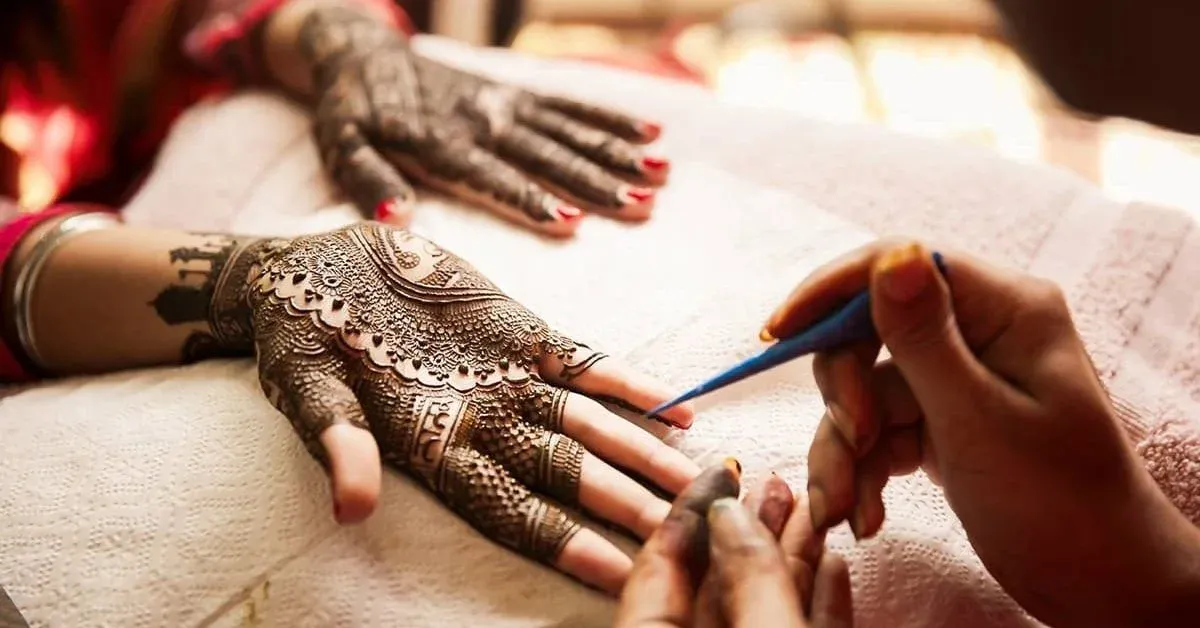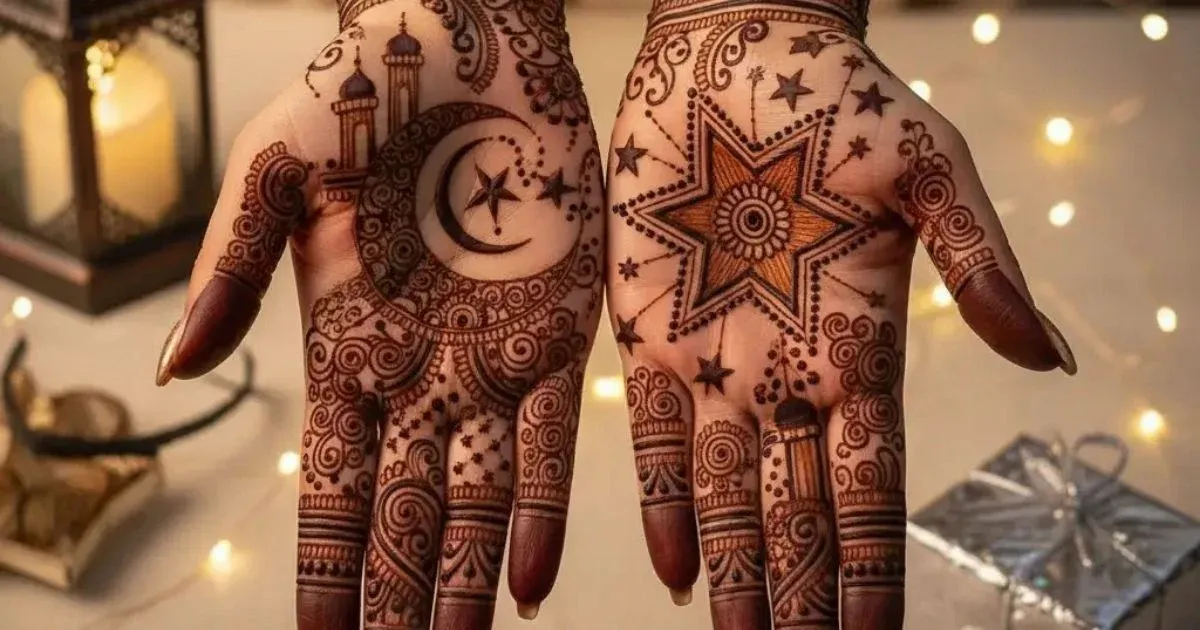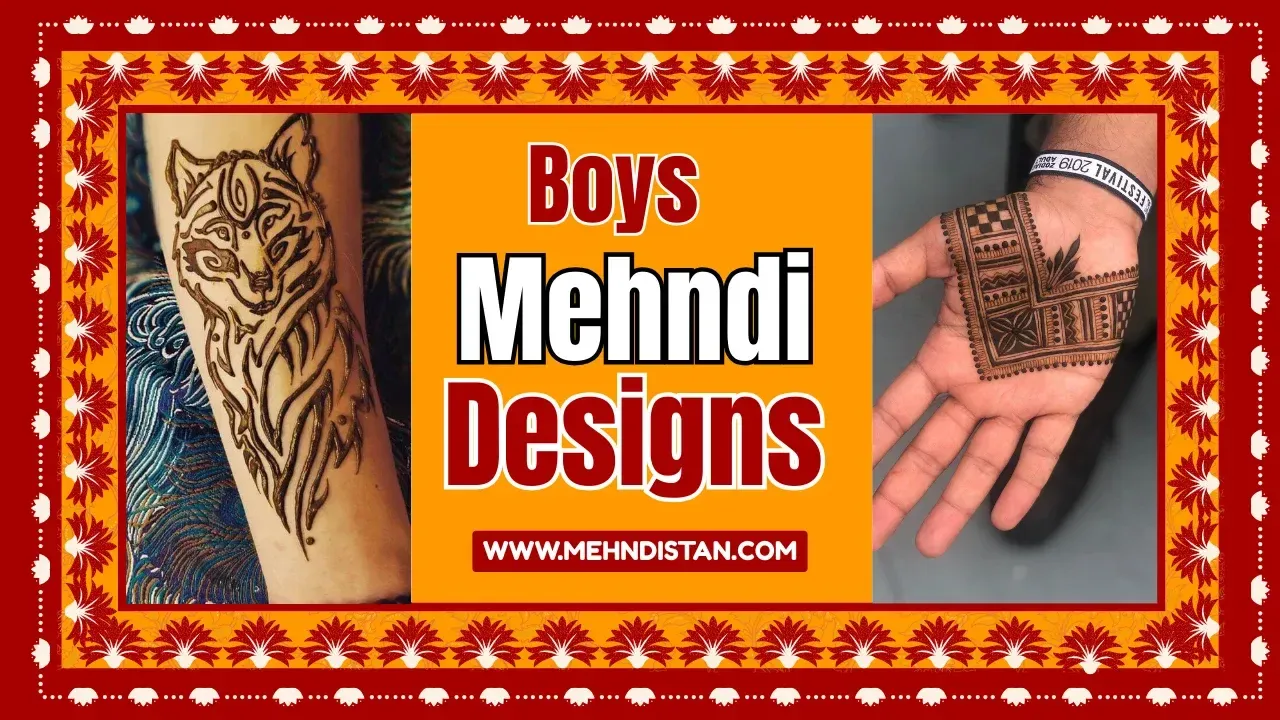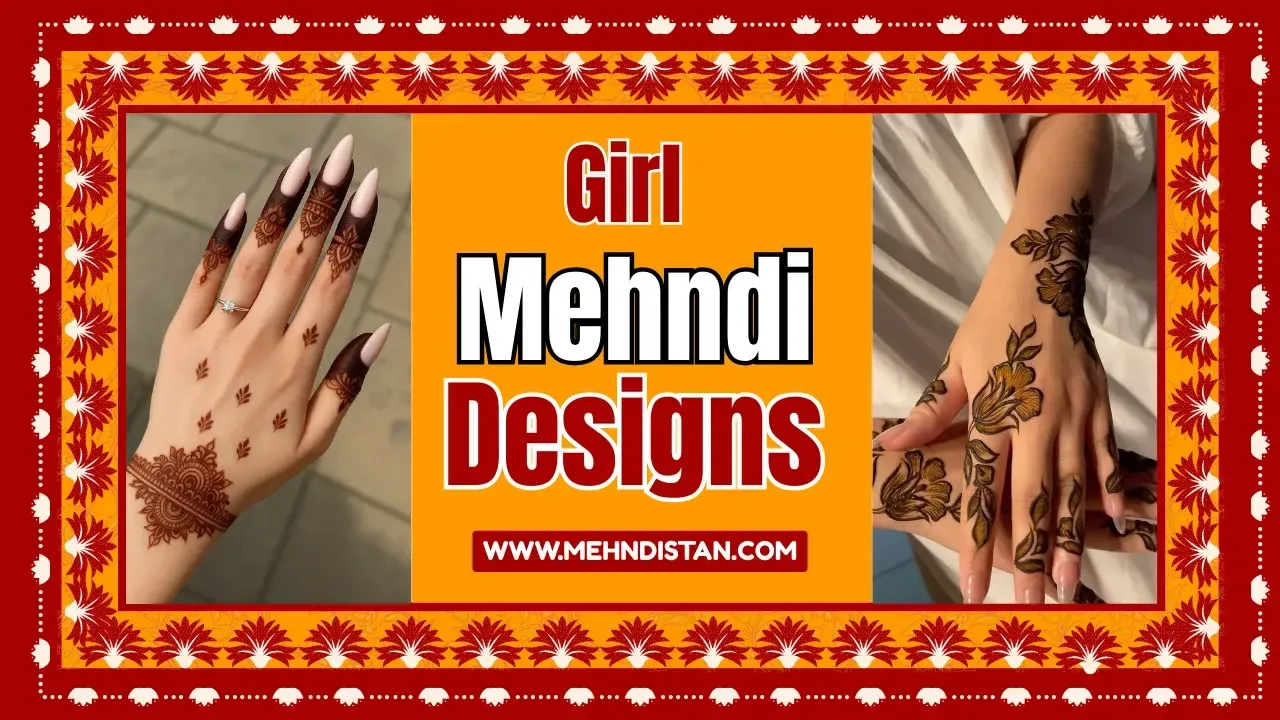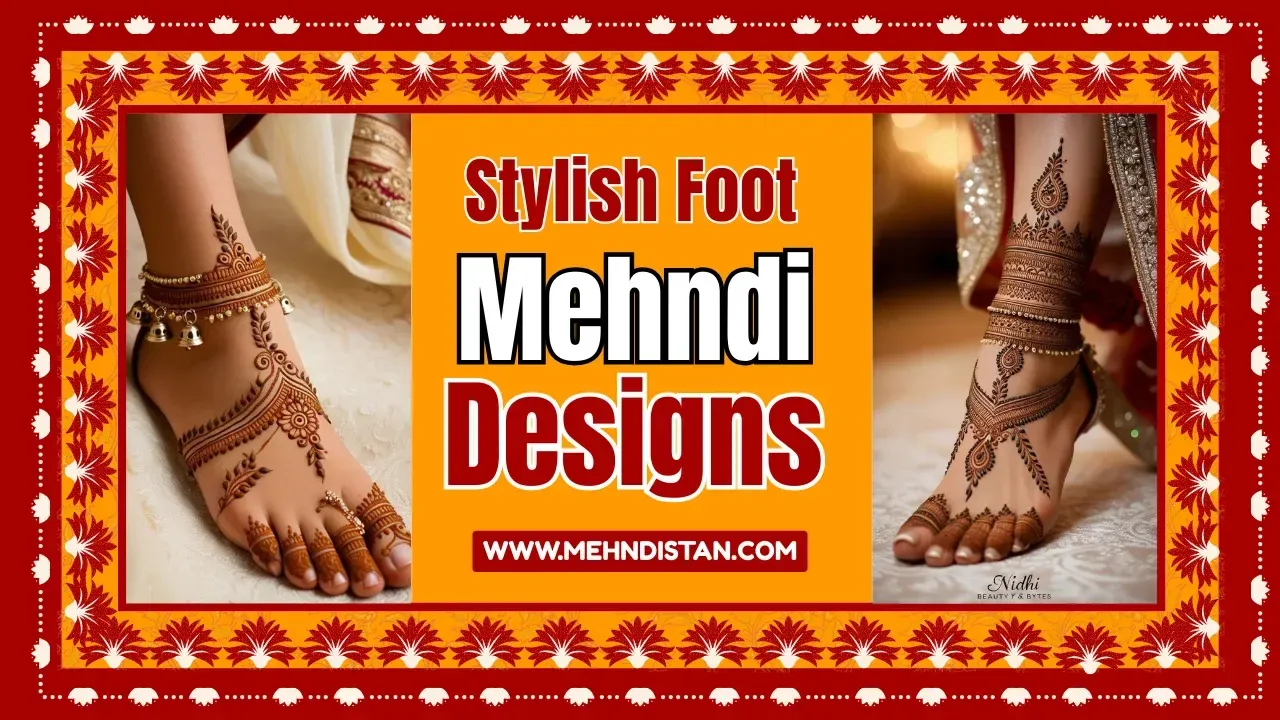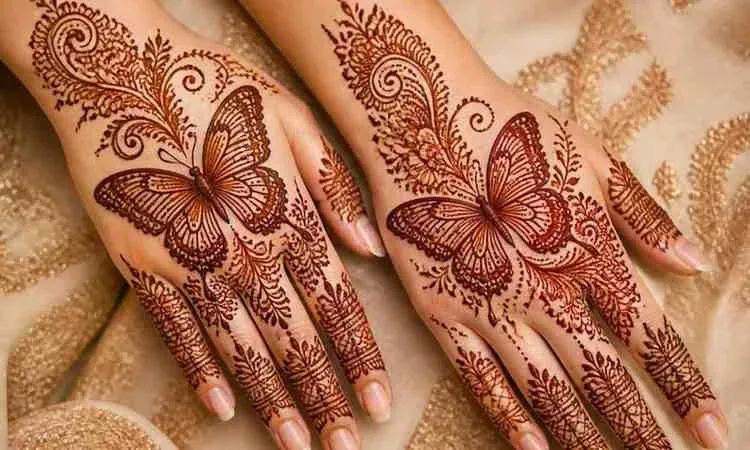
I find bridal mehndi for the feet and legs especially beautiful because the larger area allows me to create balanced patterns without making the design feel rushed. For a wedding, I can choose anything from a simple foot motif to a detailed bridal leg design with florals, jaali work, leafy trails, mandala elements, and traditional details. This collection brings together stylish bridal mehndi inspiration for 2026, with ideas I can use for the feet, ankles, calves, and full legs.
Stylish Bridal Mehndi Designs for Foot and Legs
When I plan a bridal foot and leg mehndi, I first decide how much coverage I want. A lighter design can leave open skin around the feet and ankles, while a full bridal pattern can continue upward from the toes toward the calves. I like designs that keep one clear visual flow instead of filling every space with unrelated motifs. Floral vines, paisleys, fine lines, checks, dots, and traditional bridal elements can be combined to make the whole design look connected.
Full Foot Bridal Mehndi Design Ideas
For a full foot bridal mehndi design, I can start from the toes and build the pattern toward the ankle. A central floral or mandala-style motif gives the top of the foot a strong focal point, while smaller leaves and curved lines help connect it to the sides. If I want a traditional bridal appearance, I can use denser details around the edges and keep the main motif clearly defined in the center.
Simple Bridal Foot Mehndi Design
A simple bridal foot mehndi design works well when I want elegance without excessive detail. I can use a few flowers, leafy trails, small paisleys, or a neat geometric border. Keeping some natural skin visible makes the pattern easier to read and can also make the feet look longer and cleaner in photographs.
Bridal Leg Mehndi Design for a Full Wedding Look
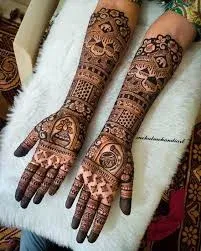
For a more dramatic bridal look, I can extend the mehndi above the ankle and continue it along the lower leg. The pattern can be divided into connected sections so it remains comfortable to follow while still looking detailed. Floral jaali, paisley panels, vines, arches, and symmetrical borders are useful when I want the design to feel rich without becoming visually messy.
Wedding Bridal Foot Mehndi Design
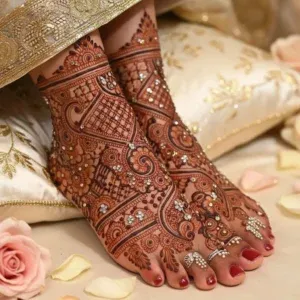
Bridal Leg Mehndi Design
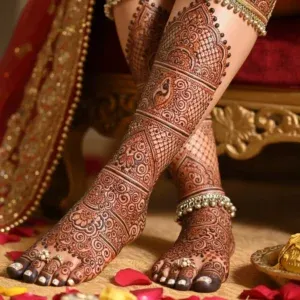
Marriage Bridal Mehndi Design for Legs
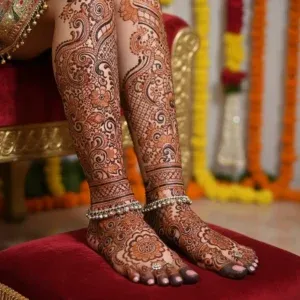
Simple and Stylish Bridal Leg Mehndi
If I prefer a modern bridal style, I can reduce the density and let a few strong motifs do the work. A large flower near the ankle, a curved vine along the leg, or a repeating border can look stylish without requiring a completely filled surface. This approach is also useful when I want the mehndi to coordinate with detailed bridal footwear or a heavily embroidered outfit.
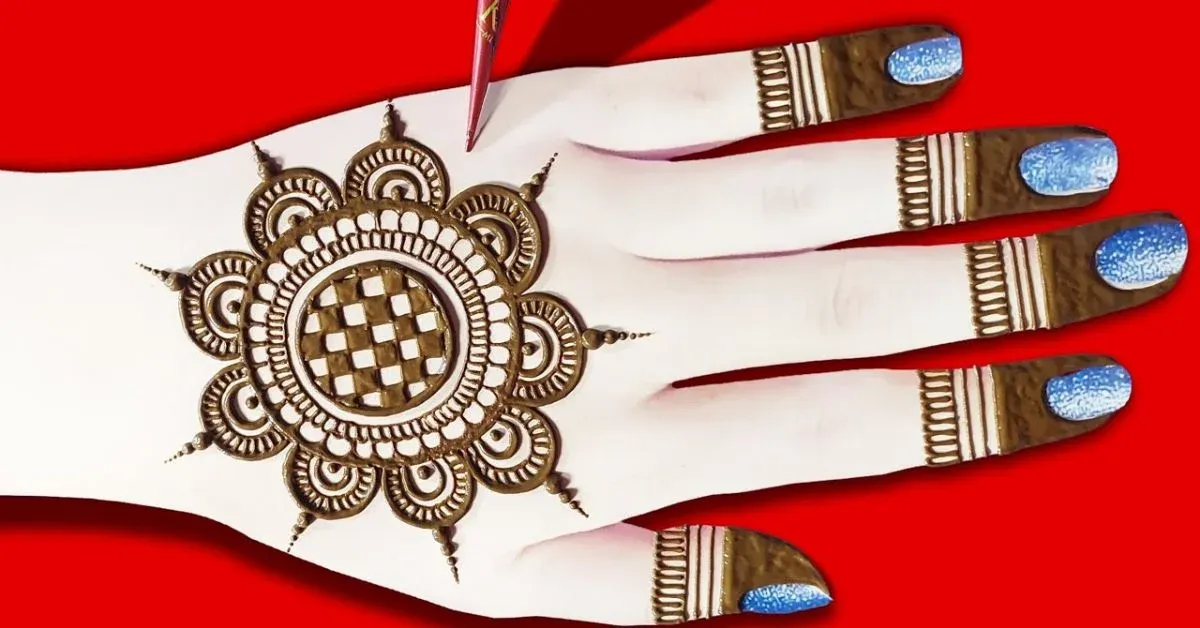
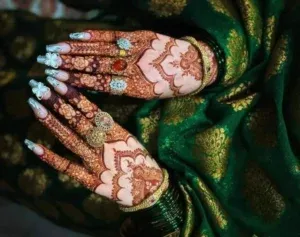
Full Hand Bridal Mehndi Design Inspiration
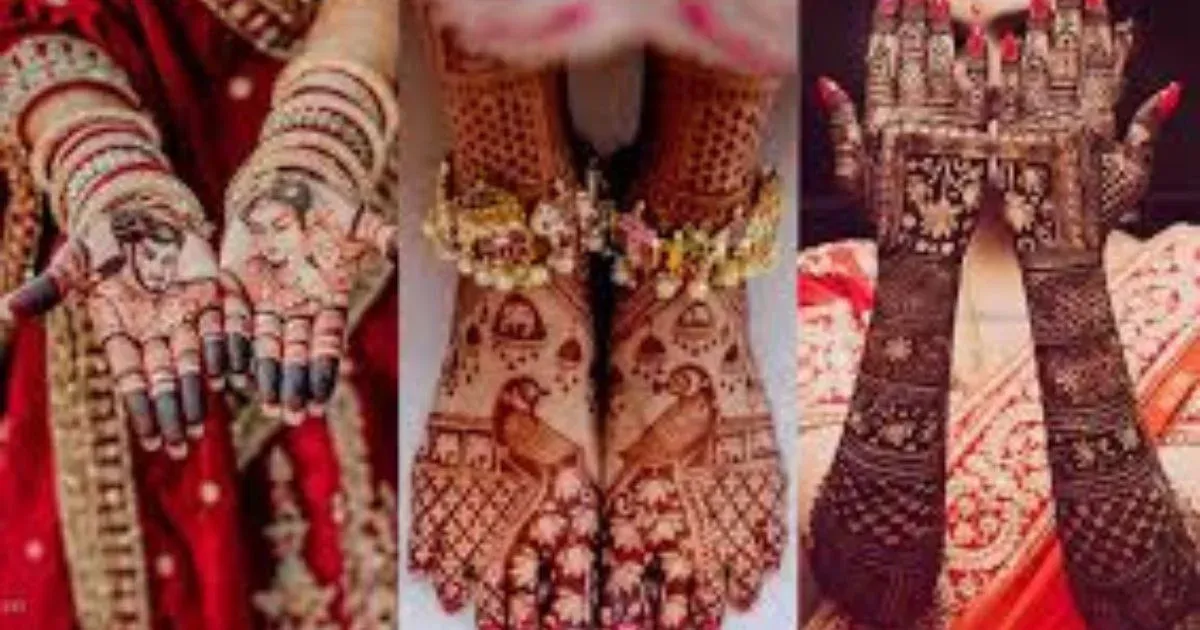
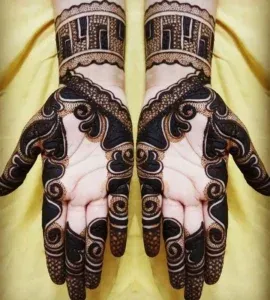
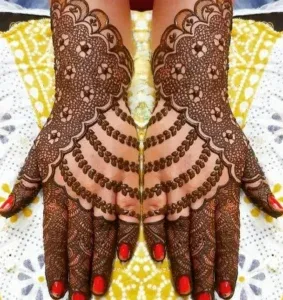
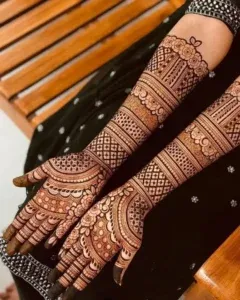
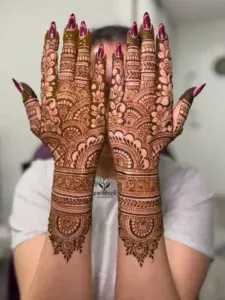
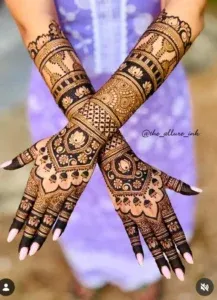
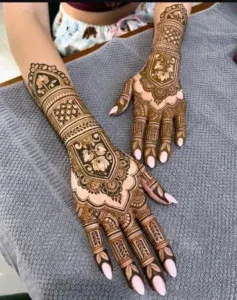
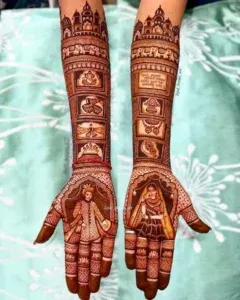
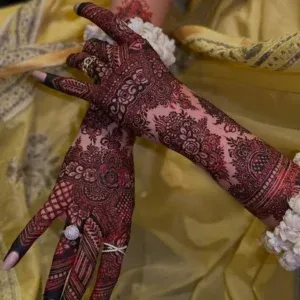
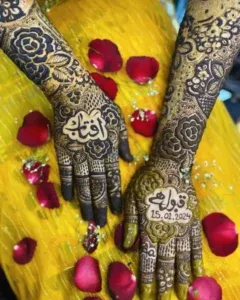
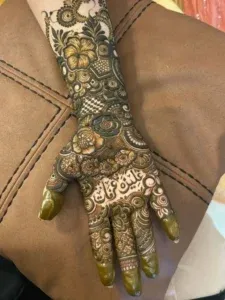
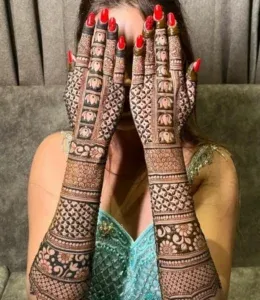
The following bridal references include different levels of detail and can help me compare traditional and modern pattern density. Although some references show hand mehndi, I can use their floral, paisley, jaali, border, and storytelling elements as inspiration when planning a coordinated foot and leg design. I keep the final foot pattern adapted to the shape and movement of the feet rather than copying a hand layout exactly.
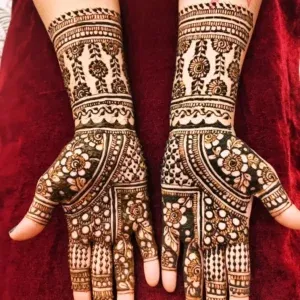
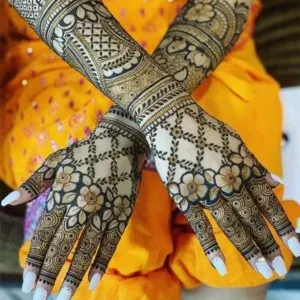
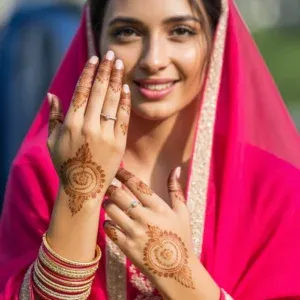
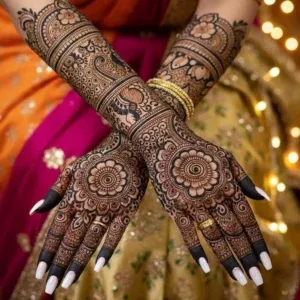
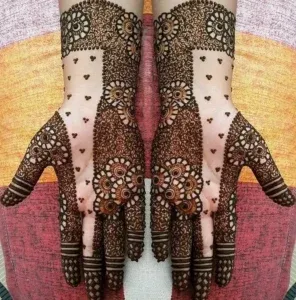
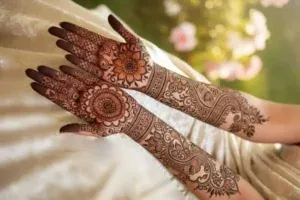
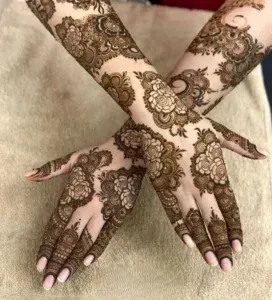
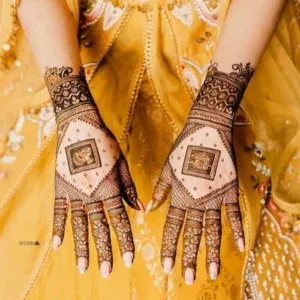
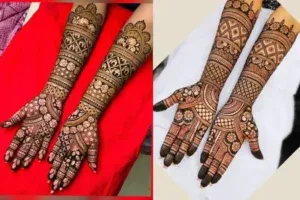
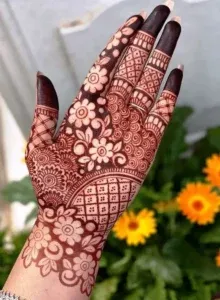
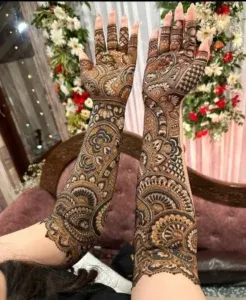
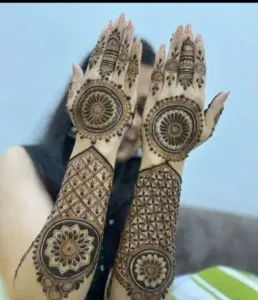
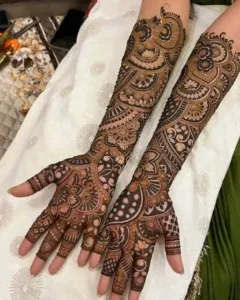
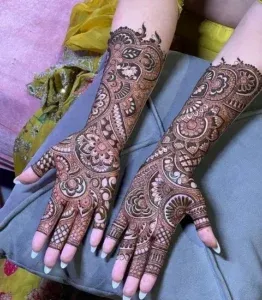
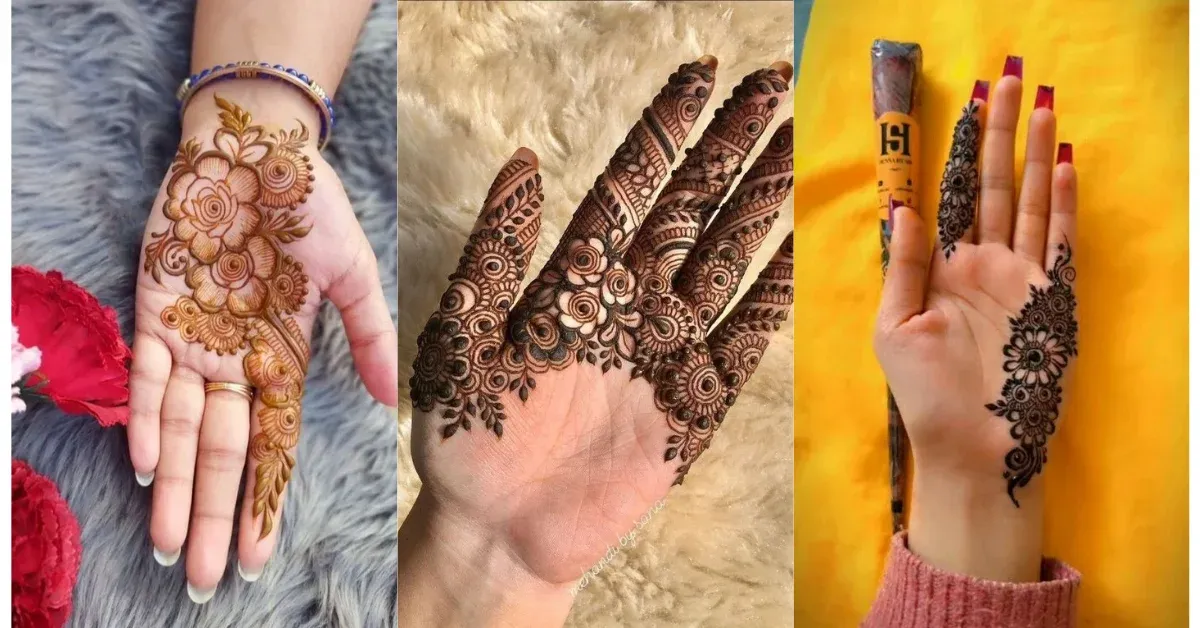
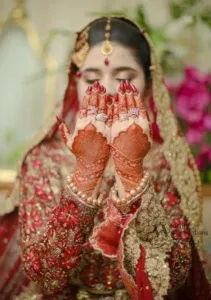
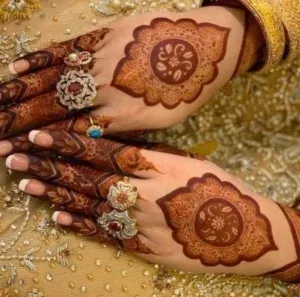
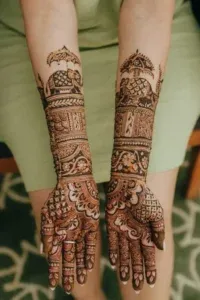
More Bridal Mehndi Inspiration for Choosing a Foot Design
I use these additional bridal references to compare line work, floral arrangements, negative space, and overall density before finalizing my foot and leg pattern. The best idea is not always the most detailed one. I look for a design that suits the shape of the foot, works with the wedding outfit, and still looks clear from a normal viewing distance.
How I Choose the Right Bridal Foot and Leg Mehndi
- I decide first whether I want a simple ankle-to-foot pattern or a fuller leg design.
- I match the density of the mehndi with the embroidery and overall detail of my bridal outfit.
- I choose motifs that can follow the natural shape of the foot and leg.
- I leave enough open space when I want a cleaner, more modern appearance.
- I check the design from different angles because wedding photographs may show the feet from above and from the side.
Common Bridal Mehndi Problems and Easy Fixes
Lines spread: If the paste is too loose or the surface is warm, fine details can spread. I use a suitable henna paste consistency and avoid packing too many tiny lines into one area.
The design looks crowded: I remove a few secondary motifs and keep the main floral, paisley, or geometric elements clear. Negative space can make a bridal pattern look more polished.
The stain looks light: Henna color develops over time and varies with skin, paste quality, application, and aftercare. I avoid judging the final color immediately after removing the dried paste.
The design smudges: I keep the freshly applied mehndi protected from rubbing and moisture while it is setting. Comfortable clothing and careful movement help preserve sharp details.
Skin feels irritated: I stop using the product if I notice burning, significant itching, swelling, or another concerning reaction. I avoid unknown chemical mixtures marketed as instant or black henna because their ingredients may not be clear.
Frequently Asked Questions
Which bridal mehndi is best for feet and legs?
I would choose a design based on the coverage I want. Floral, paisley, jaali, mandala-inspired, and traditional bridal patterns all work well when they are adapted to the shape of the feet and legs.
Can I keep bridal foot mehndi simple?
Yes. A simple design can use one central motif with a few vines, leaves, dots, or borders. It can look elegant while taking less time than a densely filled bridal pattern.
Should the leg design match the hand mehndi?
It does not need to be identical. I prefer repeating a few motifs, such as flowers, paisleys, or jaali sections, so the hands and legs look coordinated without becoming exact copies.
How far up the leg can bridal mehndi go?
That depends on the bridal outfit and the look I want. I can keep it around the feet and ankles or extend the connected pattern farther up the lower legs for a fuller bridal effect.
What should I consider before applying bridal leg mehndi?
I consider the outfit, footwear, desired coverage, available application time, and how the design will appear in photographs. I also prefer a trusted henna product with clearly known ingredients.
Final Thoughts
Bridal mehndi for the foot and legs gives me plenty of room to create a design that feels festive, graceful, and personal. Whether I prefer a simple foot motif, an elegant ankle pattern, or a detailed bridal leg design, the key is to keep the composition balanced and suited to the shape of the body. For 2026, I can mix traditional floral and paisley details with cleaner spacing and modern borders to create a stylish wedding look that photographs beautifully.