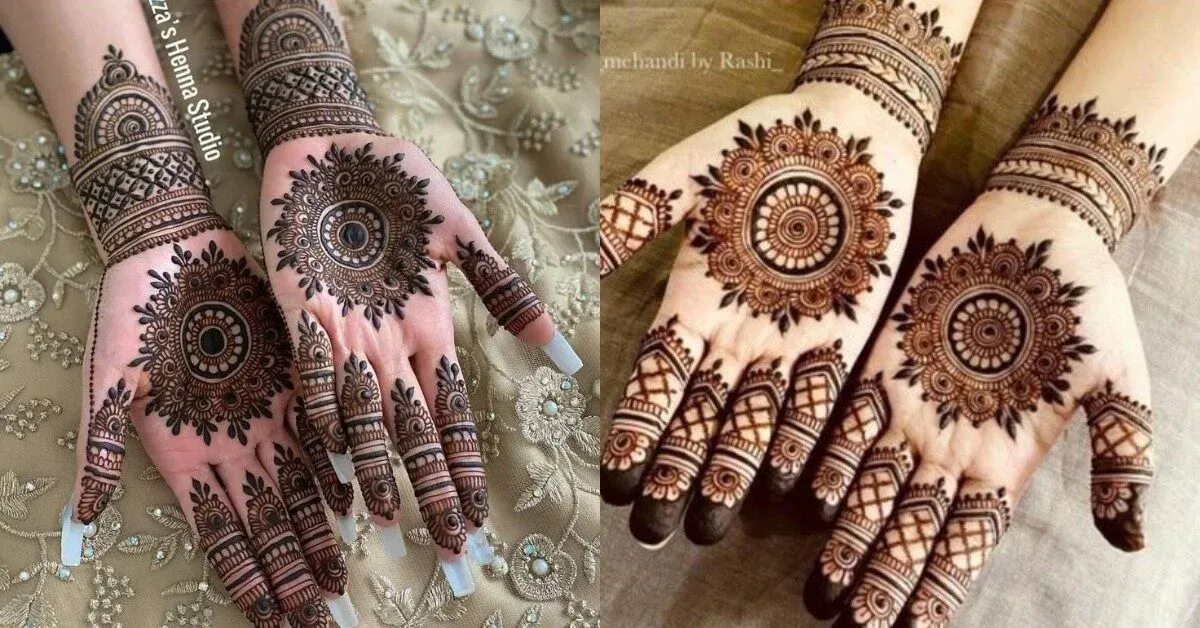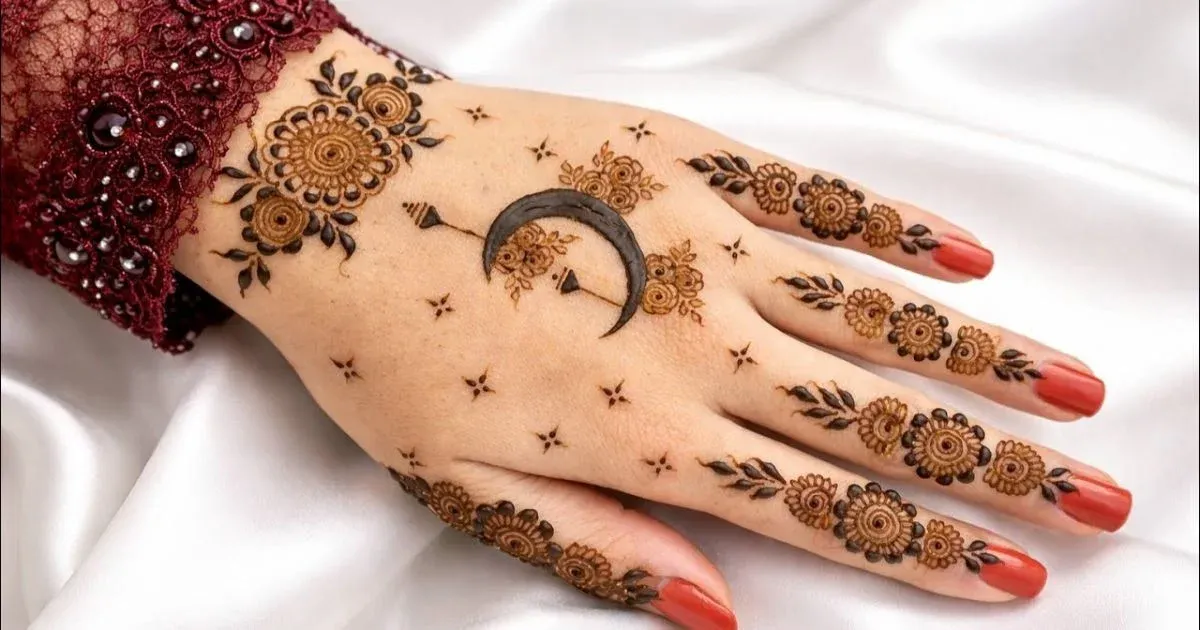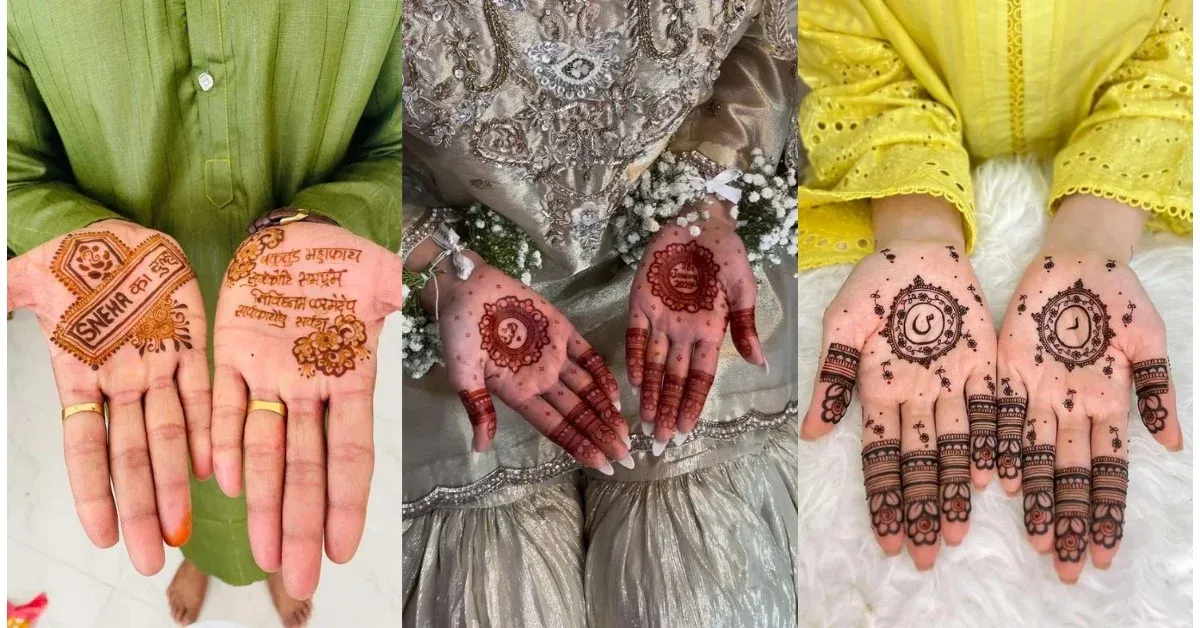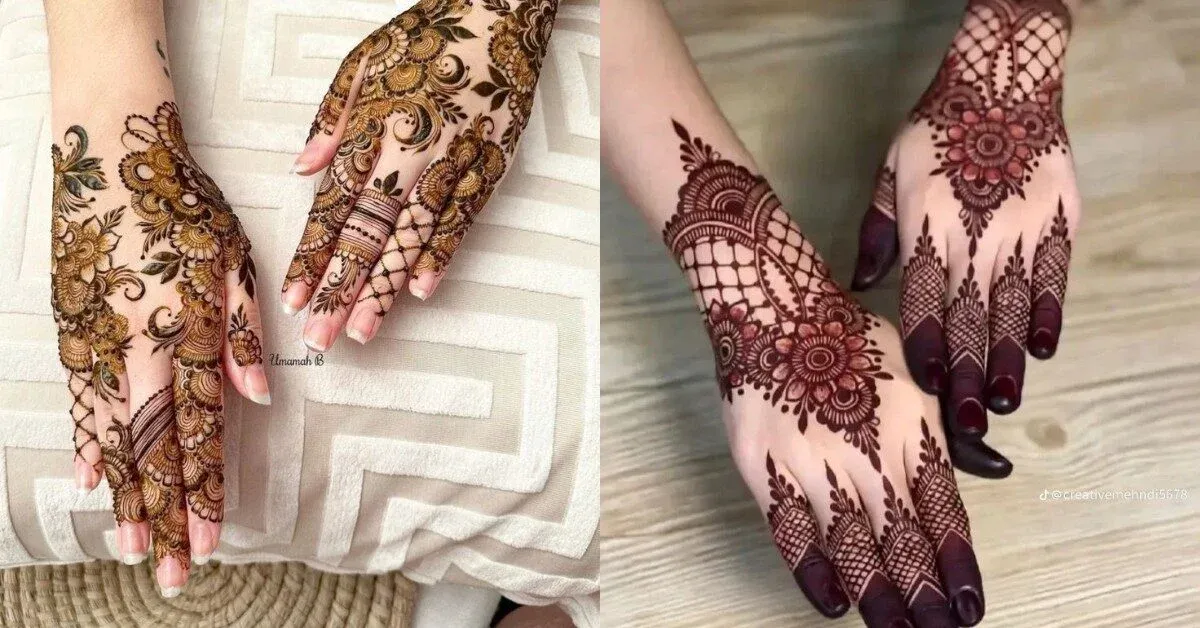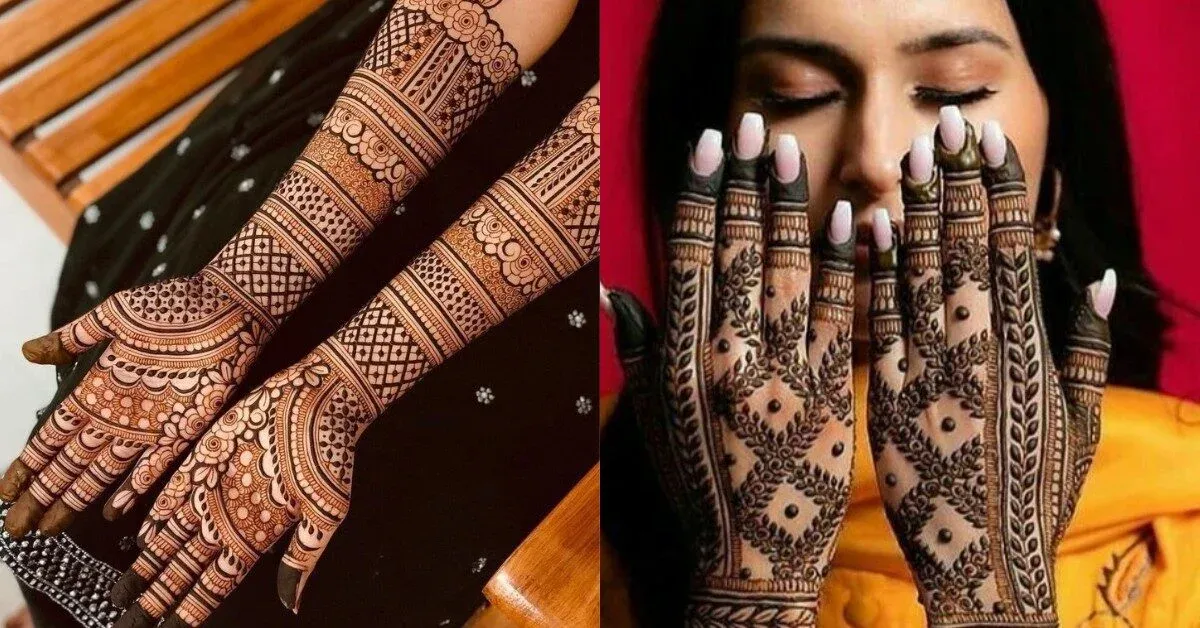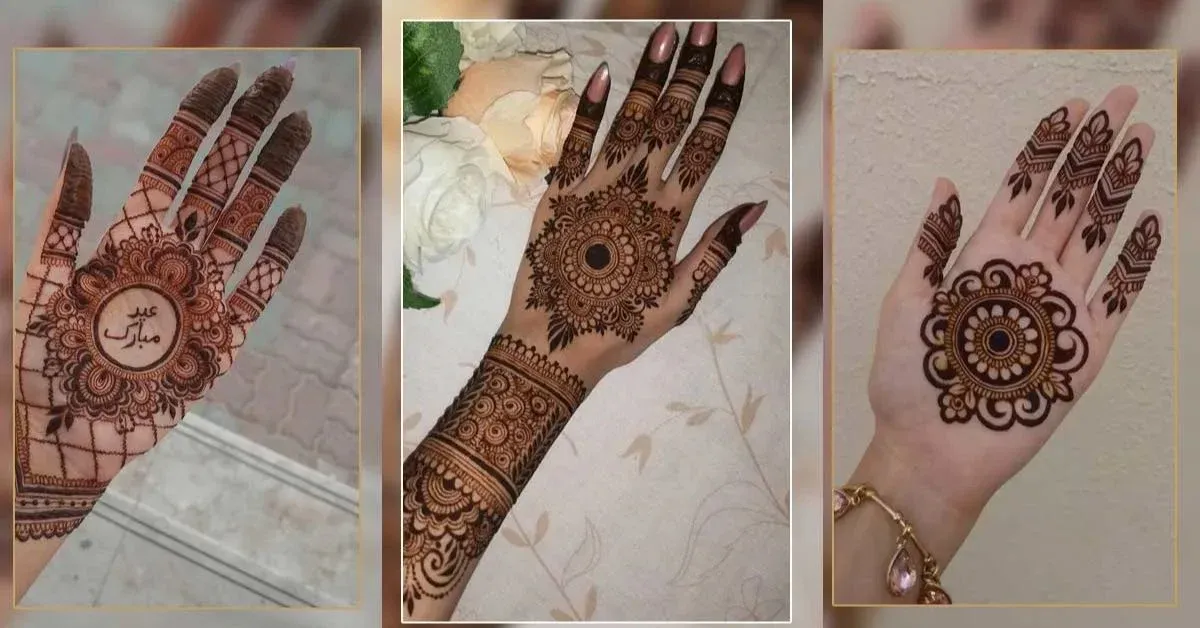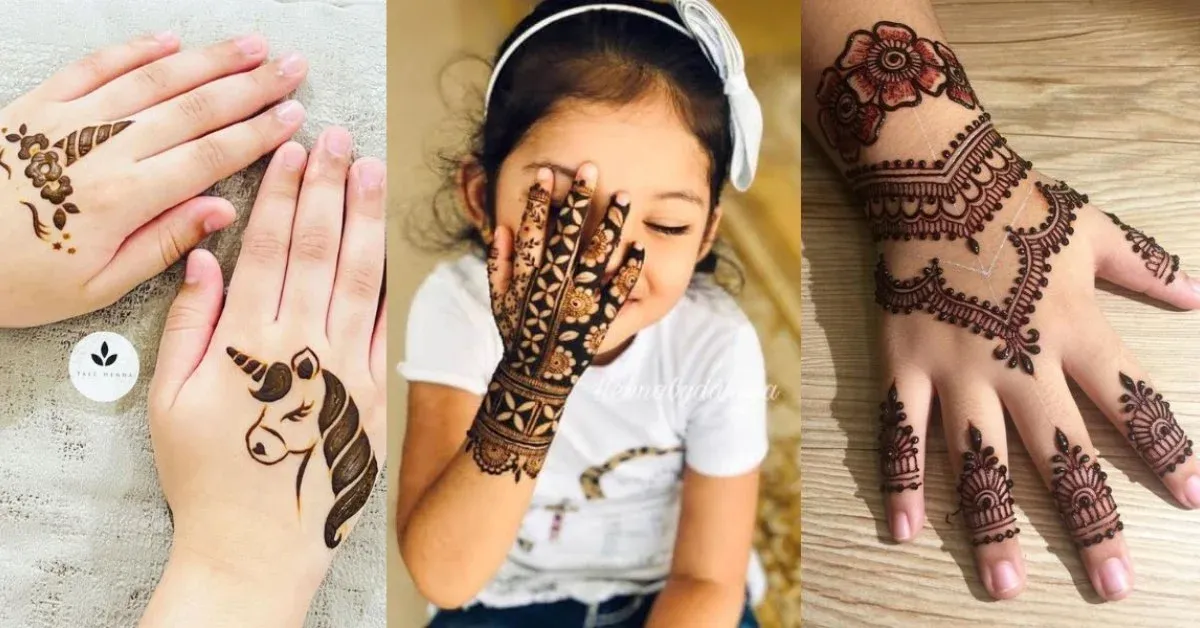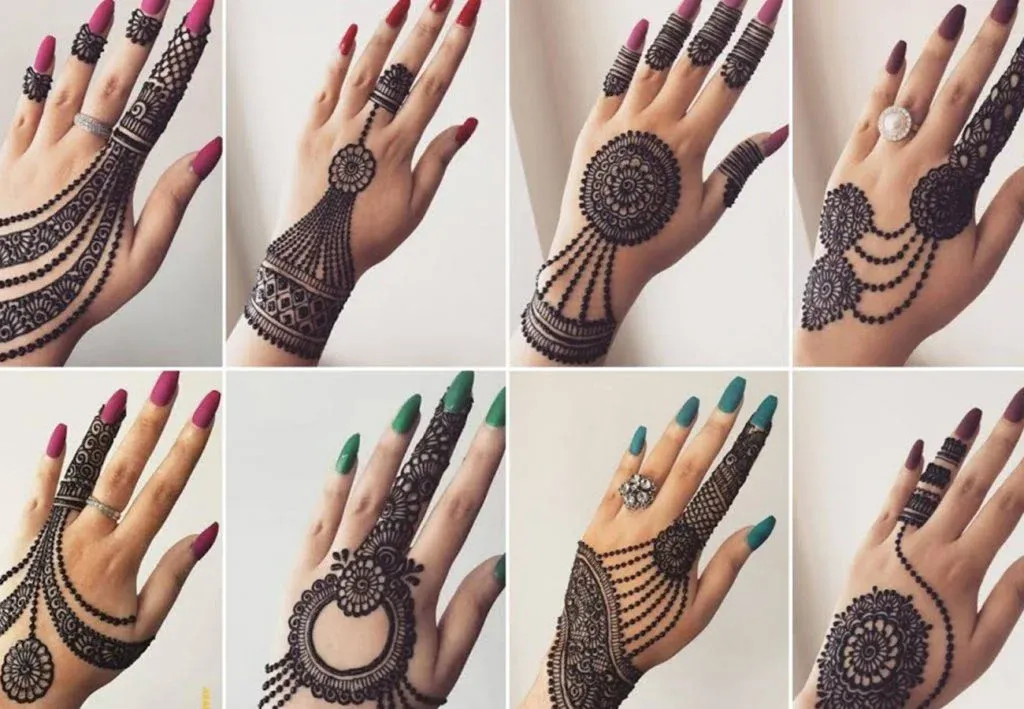
When I look for a Bel Mehndi Design, I usually want a vine-style pattern that feels graceful without making the hand look overly crowded. Bel or bail designs use flowing leaves, flowers, curves, and connected trails, so I can adapt them for simple everyday looks as well as weddings and festivals.
Quick answer: the best Bel Mehndi Design is a balanced vine pattern that matches the hand area, occasion, and detail level I want. I can choose a simple bail, floral vine, Arabic-inspired flow, front-hand pattern, or back-hand design depending on how much coverage I need.
Bel Mehndi Design Ideas
Bel Mehndi designs are built around a graceful trail that moves across the skin instead of relying only on dense filling. I like using leaves, small flowers, dots, paisleys, and curved stems to create a natural flow. The main advantage is flexibility: I can keep the trail short and minimal or extend it across a larger area for a richer festive look.

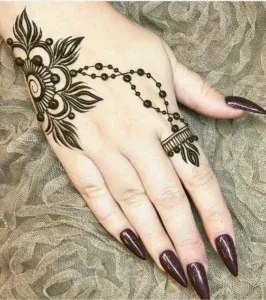
Bel Mehndi Design for Front Hand
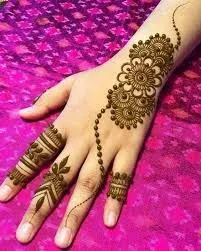
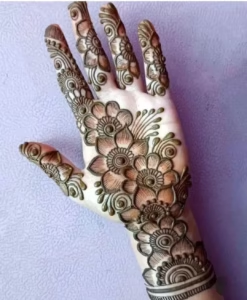
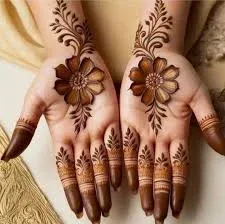
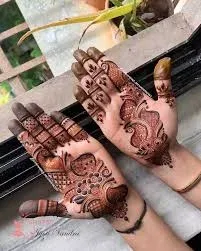
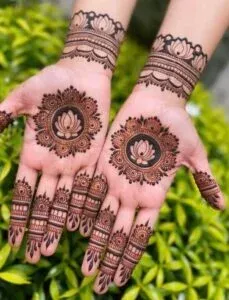
For the front hand, I prefer a bel pattern that follows the natural length of the palm and fingers. A central vine with leaves and flowers can leave enough open skin around it, while a wider arrangement can add more festive detail. I can also connect the trail toward the wrist when I want a longer composition.
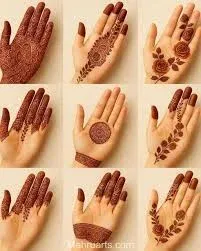
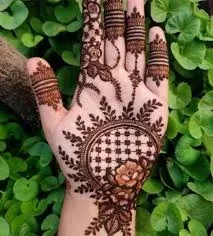
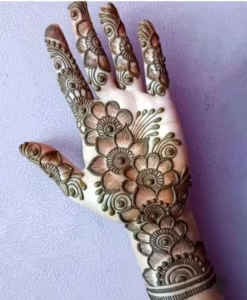
Bel Mehndi Design for Back Hand
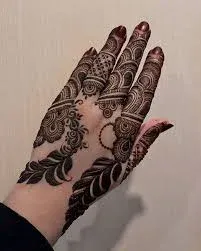
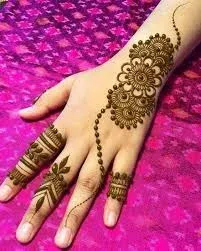
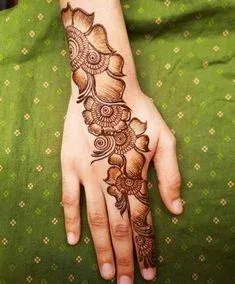
On the back hand, I like a diagonal or curved bel trail because it keeps the design visible and gives the hand a neat shape. I can place a flower near the center, extend leaves toward the fingers, and finish the trail near the wrist. This approach works especially well when I want a stylish design without filling every part of the hand.
Easy Mehndi Bel Design
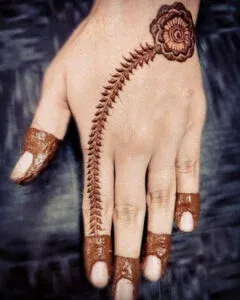
When I need an easy Bel Mehndi Design, I start with one continuous curved line and add leaves at regular intervals. Small flowers, dots, and short branches can fill the spaces without making the pattern difficult to draw. This is a practical option for beginners because the basic structure does not require many tiny details.
Simple Bel Mehndi Design
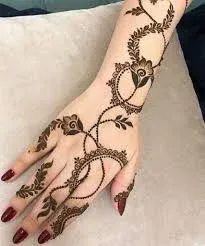
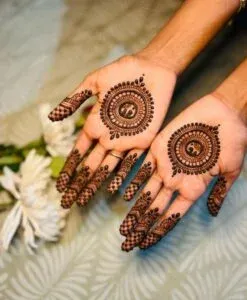
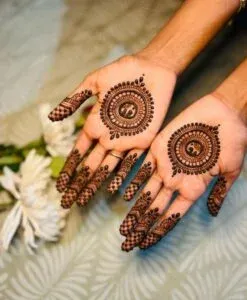
A simple Bel Mehndi Design works best when the main vine remains easy to see. I can use two or three leaves, one or two flowers, and a few dots instead of covering the entire area with fillers. The result feels light and clean, which makes it suitable for casual days, small celebrations, and anyone who prefers minimal Mehndi.
Bail Mehndi Simple Mehndi Bel Design
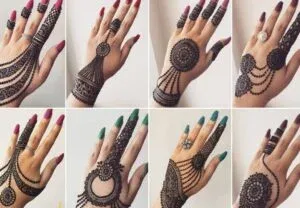
Bail Mehndi is another common way to describe a flowing vine-style pattern. I use the trail as the main structure and then add leaves, flowers, paisleys, or small fillers according to the look I want. Keeping the spacing consistent helps the bail remain graceful instead of becoming a heavy strip of decoration.

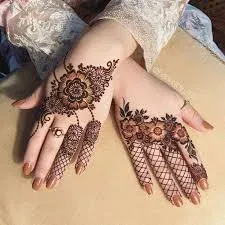
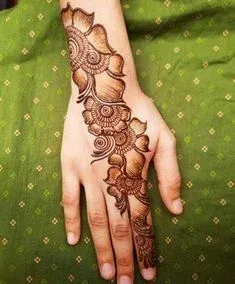
Modern Bel Mehndi Design
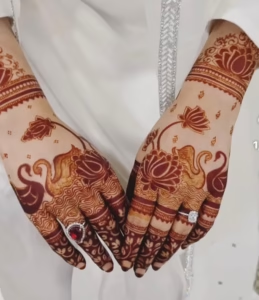
For a modern Bel Mehndi Design, I usually reduce the number of fillers and give the vine more breathing room. Larger flowers, clean leaves, curved stems, and negative space can make the pattern look contemporary while keeping its traditional vine character. This style is useful when I want something elegant for a party, festival, or modern outfit.
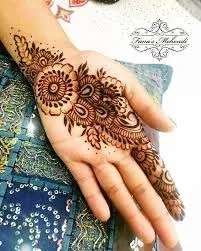
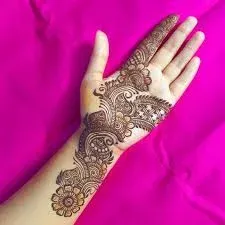
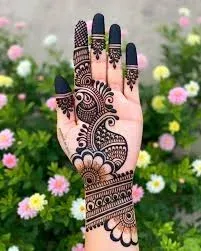

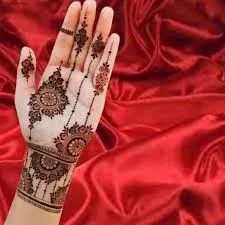
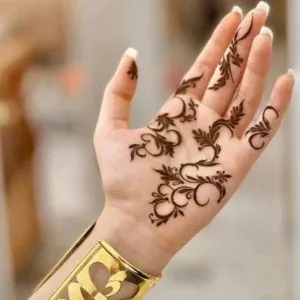
Stylish Bel Mehndi Design
A stylish Bel Mehndi Design can combine a strong central flower with a flowing vine and carefully spaced leaves. I find that bold outlines paired with lighter details create a clear visual hierarchy. For a wedding or festive look, I can extend the pattern toward the wrist or fingers while keeping the main trail easy to recognize.
Arabic Bel Mehndi Design for Front Hand
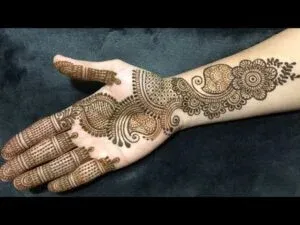
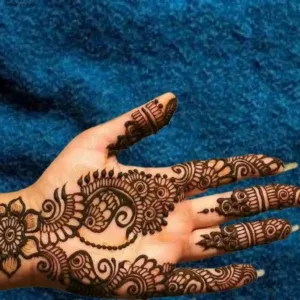
Arabic Bel Mehndi designs often use a wider, more open trail that moves diagonally across the front hand. I can combine large flowers, leaves, curved stems, and a few bold fillers to create that characteristic flowing appearance. Compared with a dense traditional composition, the open spacing makes the pattern easier to read and gives it a clean modern feel.
How I Choose the Right Bel Mehndi Design
- For everyday wear, I choose a short vine with simple leaves and one or two flowers.
- For a festival or Eid, I prefer a more decorative trail with floral or Arabic-inspired details.
- For weddings, I can choose fuller coverage and connect the bel pattern with other traditional motifs.
- For beginners, I start with larger leaves and flowers instead of very fine fillers.
- For a modern look, I keep more open space around the main vine.
- I also check the hand area first so the trail follows its shape naturally.
Common Bel Mehndi Problems and Easy Fixes
If my vine lines spread, I work on clean, dry skin and use steady cone pressure. If the design becomes crowded, I remove unnecessary fillers and leave clear gaps between leaves and flowers. If the stain looks light, I remember that natural henna develops over time and the final shade varies with the paste, skin, and aftercare. If the wet paste smudges, I allow it to dry and avoid rubbing the area. If I experience burning, swelling, or significant irritation, I remove the product and stop using it.
Frequently Asked Questions
What is a Bel Mehndi Design?
A Bel Mehndi Design is a vine-style henna pattern built from flowing stems, leaves, flowers, and related decorative motifs.
Is Bel Mehndi suitable for beginners?
Yes. I can begin with a single curved trail and add simple leaves, dots, and larger flowers before trying more detailed compositions.
Which Bel design is best for the front hand?
I usually choose a central or diagonal vine with enough open space so the pattern remains clear across the palm.
Can I use a Bel design on the back hand?
Yes. A diagonal or wrist-to-finger vine works particularly well on the back hand because it follows the available space naturally.
How can I keep a Bel Mehndi design from looking crowded?
I keep the main vine visible, space the leaves evenly, and use fewer fillers around the largest flowers.
Final Thoughts
I like Bel Mehndi designs because a simple vine can look elegant without requiring heavy coverage. Whether I want a quick everyday pattern, a stylish back-hand design, a floral front-hand arrangement, or an Arabic-inspired festive look, I can adjust the flowers, leaves, spacing, and length to match the occasion. The photos above give me a useful starting point for choosing the style that feels right.