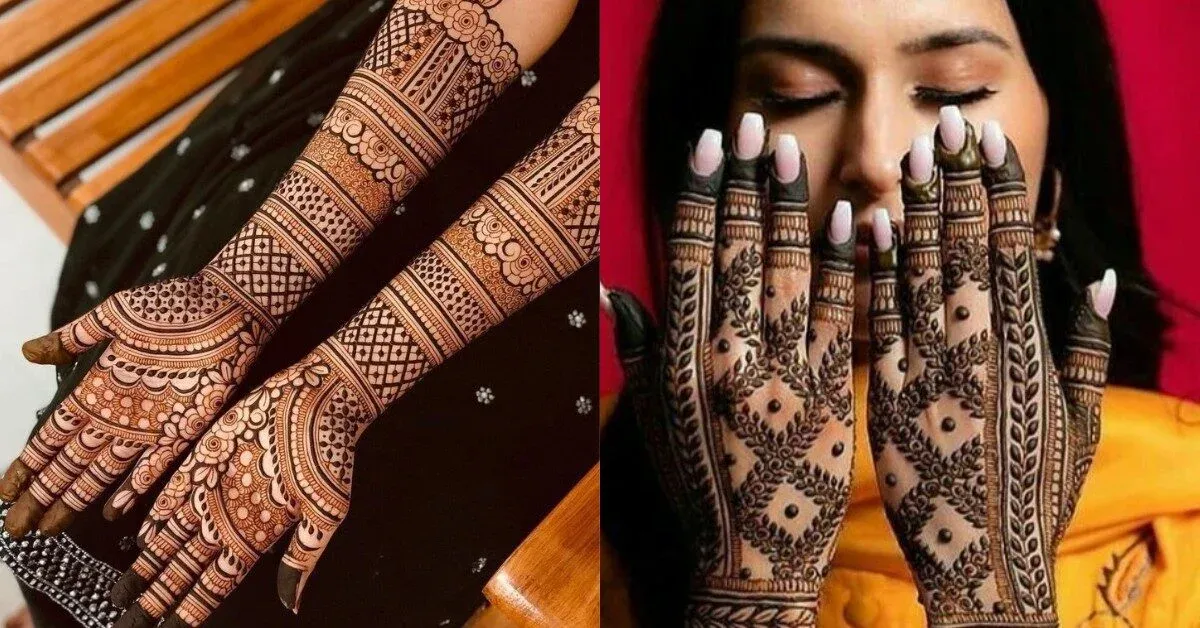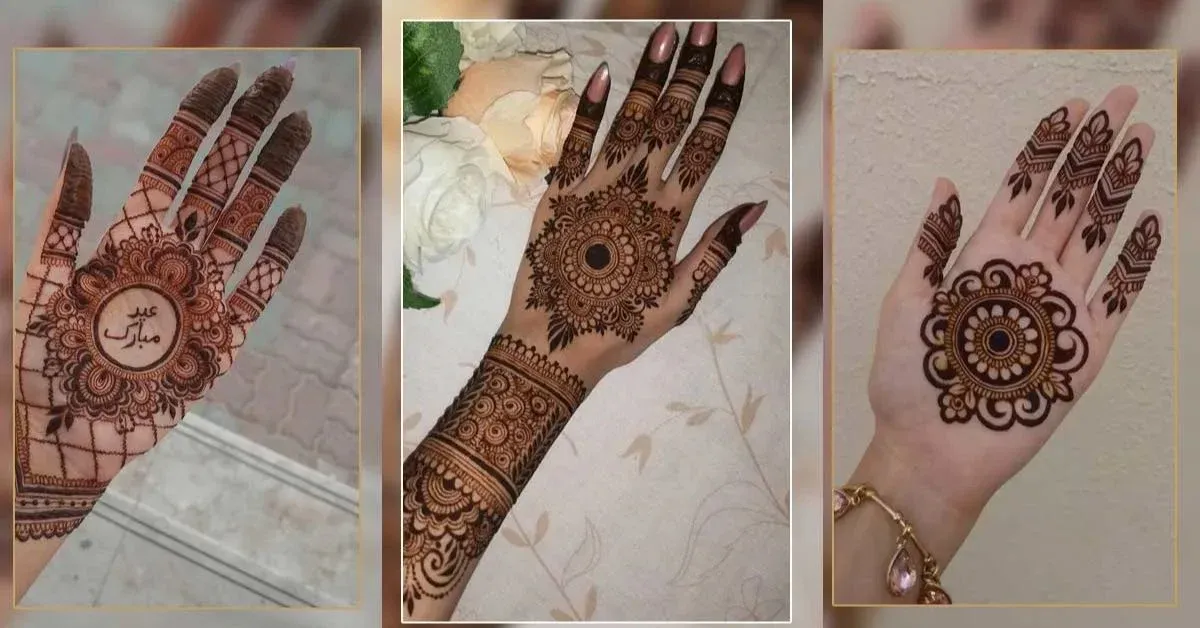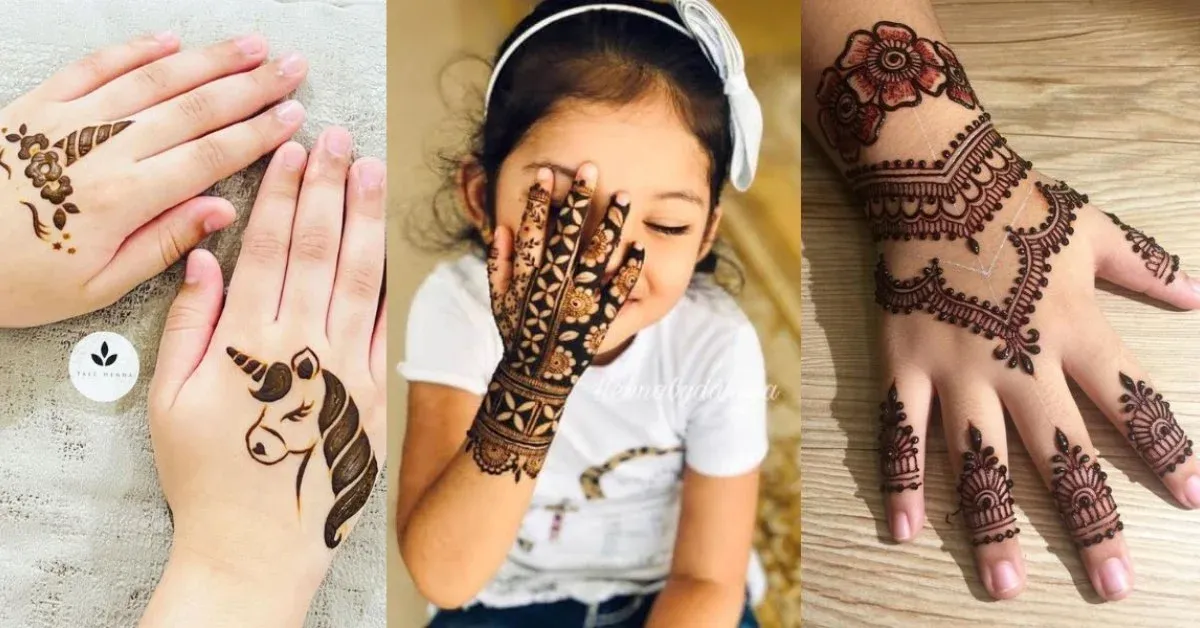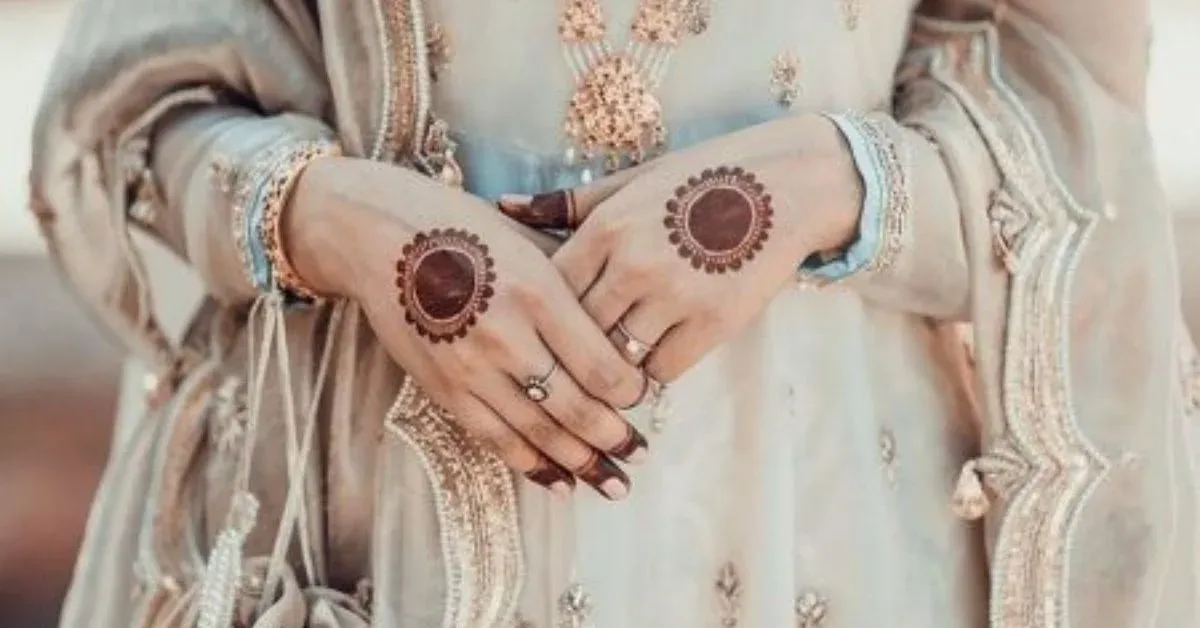
When I choose a Minimal Mehndi Design, I look for clean lines, small floral details, simple geometric shapes, and enough open space to keep the pattern light. These designs work well when I want my Mehndi to look elegant without covering the whole hand. I can keep the design tiny for everyday wear or add a few refined details for a wedding, Eid, festival, or other special occasion.
Minimal Mehndi Design Ideas
I like minimal patterns because they let one or two details stand out. A tiny flower on the palm, a curved vine near the thumb, a few dots along a finger, or a neat wrist motif can create a polished look without making the hand feel busy. I also find that open skin around the artwork makes even a small design look intentional.
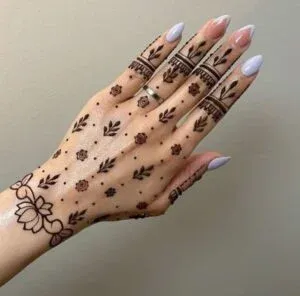
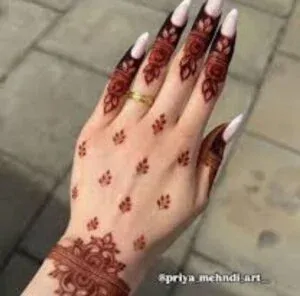
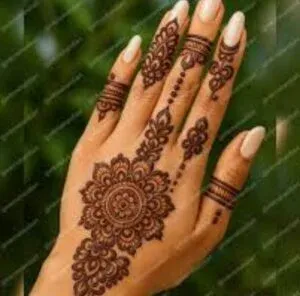
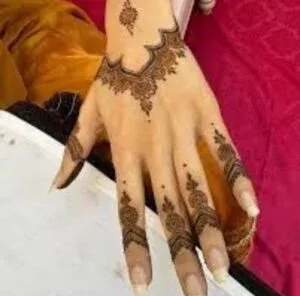
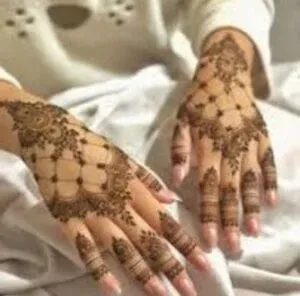
Simple Minimal Mehndi Design
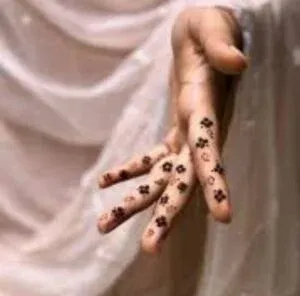
For a simple look, I usually start with one clear motif and only a few supporting details. Small flowers, leaves, dots, curved lines, and tiny paisleys are easy to combine without making the design heavy. This style is especially useful when I have limited time or want a Mehndi pattern that works with both casual and festive outfits.

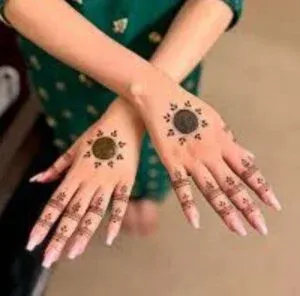
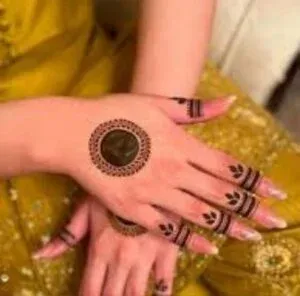

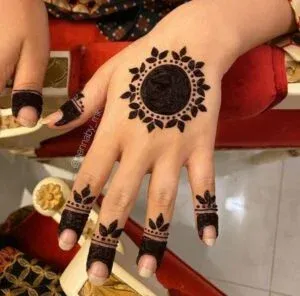
Minimal Mehndi Design for Front Hand
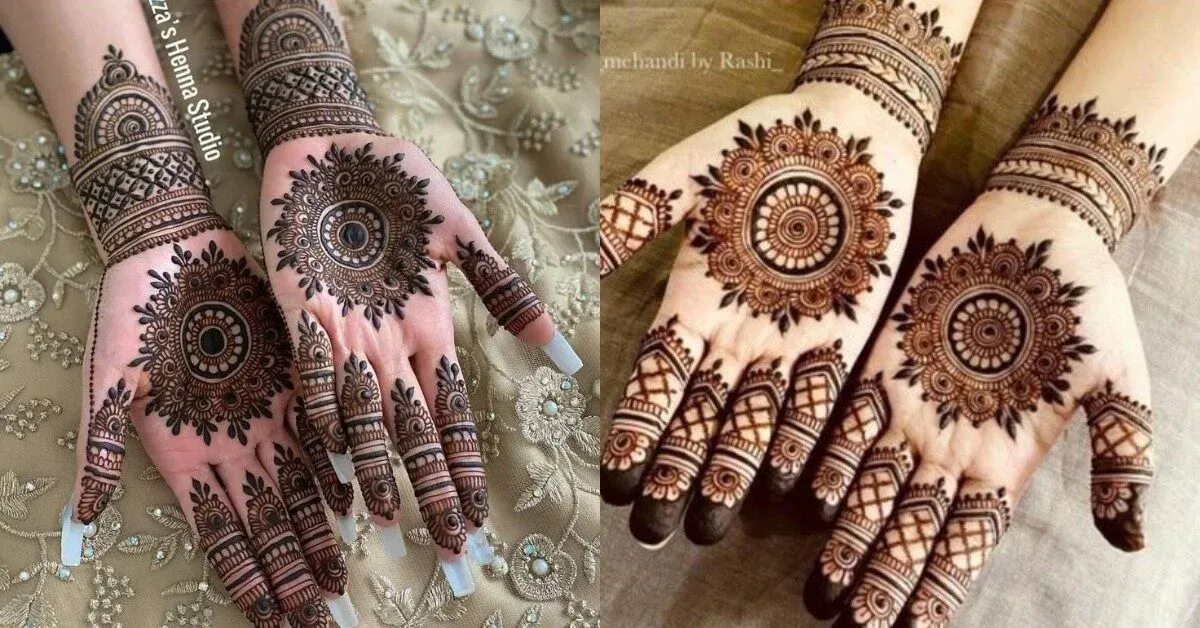
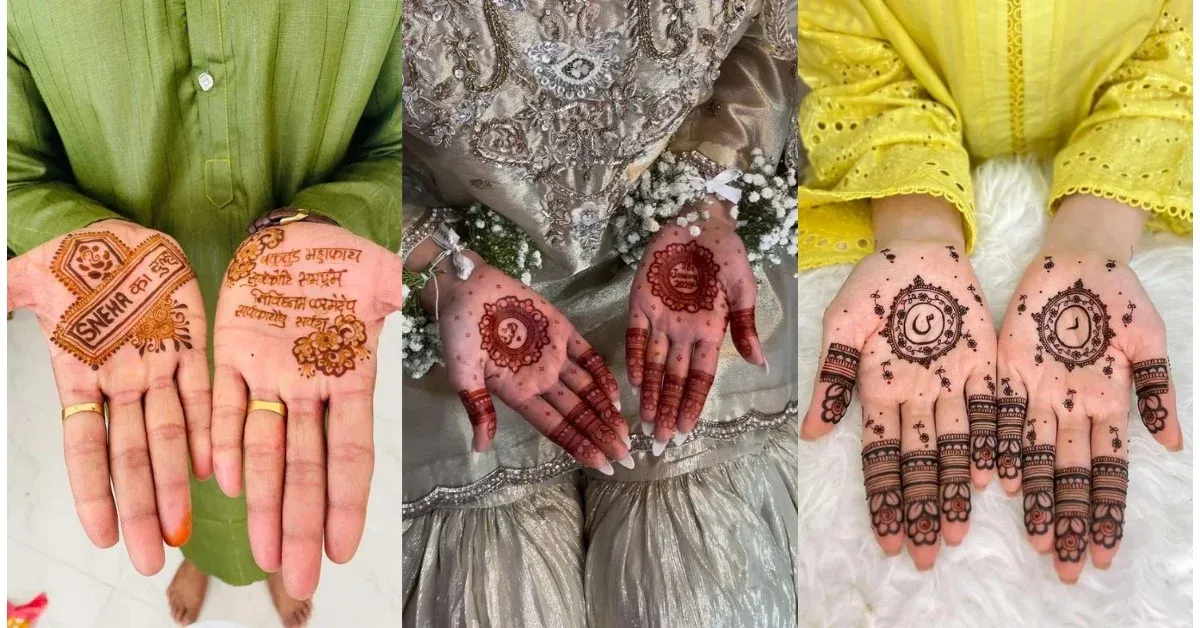
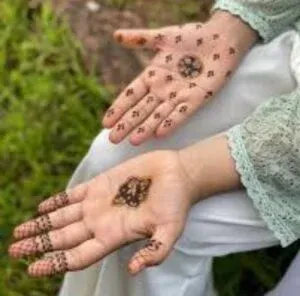
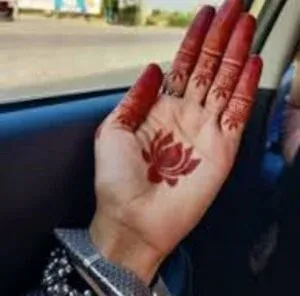
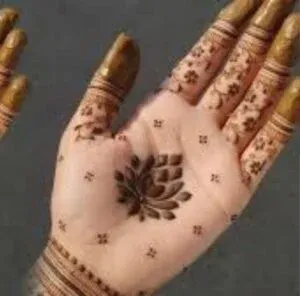
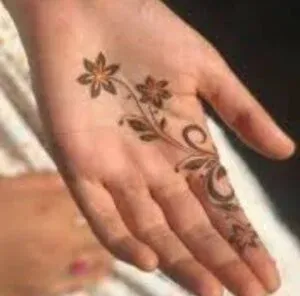
On the front hand, I prefer placing a small focal motif on the palm and allowing a delicate trail to move toward the fingers or wrist. I can use a single flower, a leafy curve, a tiny mandala, or a geometric accent. Leaving the rest of the palm open gives the design a clean and contemporary appearance.
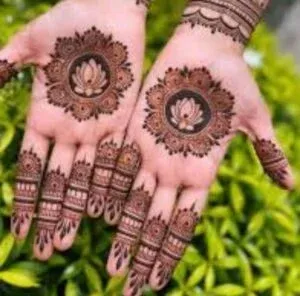
Minimal Mehndi Design for Back Hand
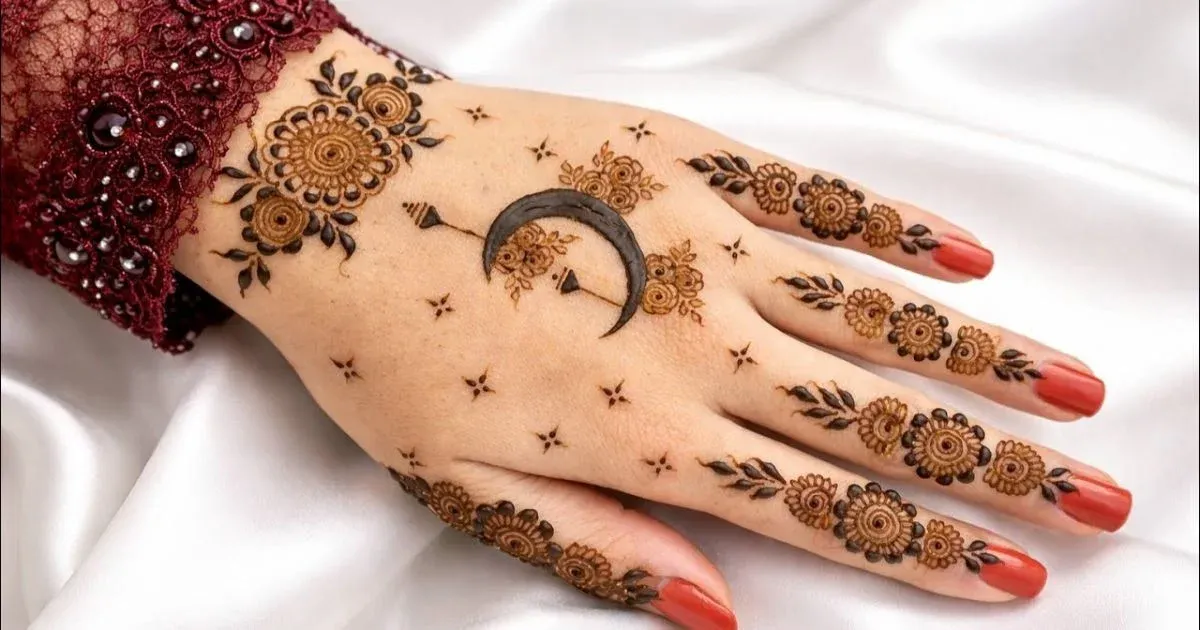
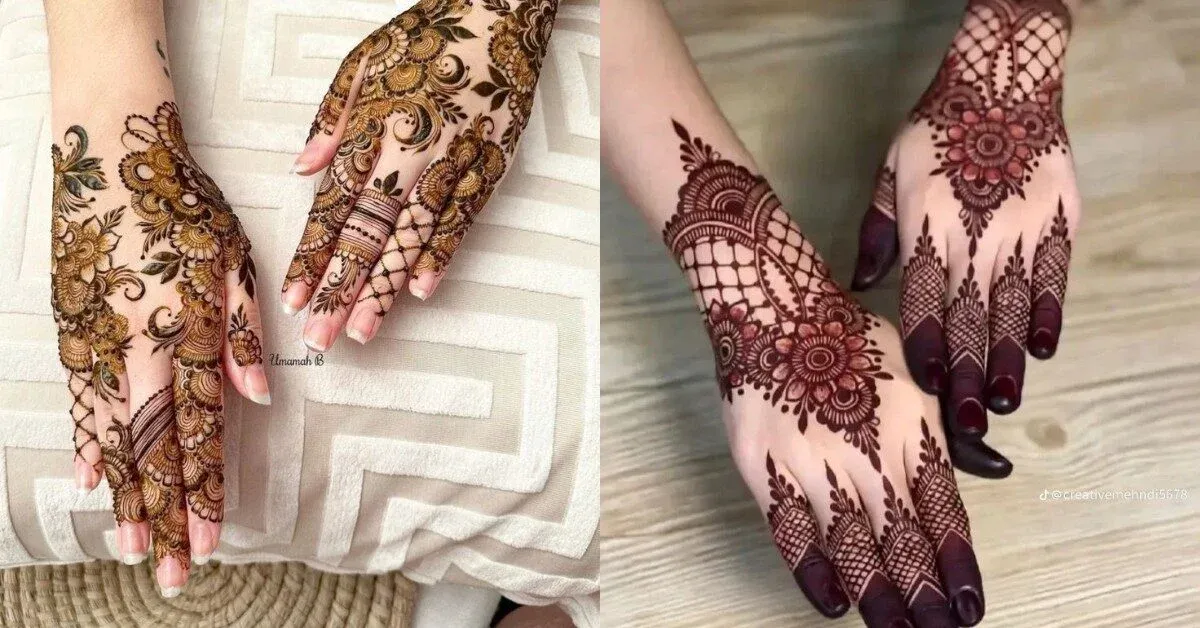
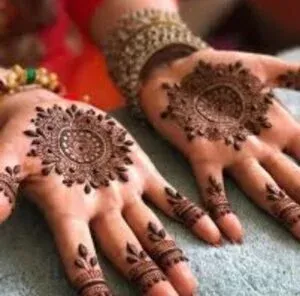
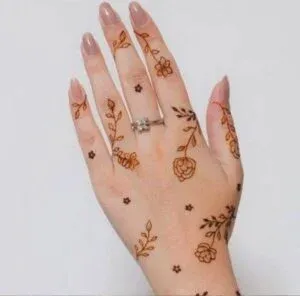
For the back hand, I can keep the center almost empty and use a small motif near the knuckles, wrist, or side of the hand. Fine vines, dots, leaves, and geometric borders work particularly well here. This placement gives me a stylish look while keeping the natural shape of the hand visible.
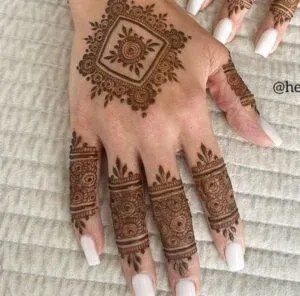

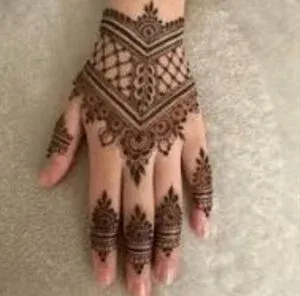
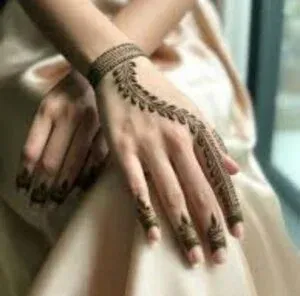
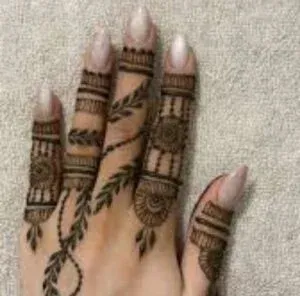
Aesthetic Minimal Mehndi Design
I think an aesthetic minimal Mehndi design works best when the lines are fine, the spacing is deliberate, and the motifs have a consistent visual rhythm. I can combine a small flower with a curved stem, tiny dots, or a simple geometric shape. The goal is not to add more decoration, but to make every visible detail feel balanced.
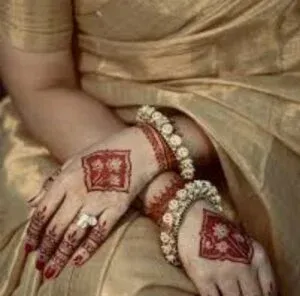
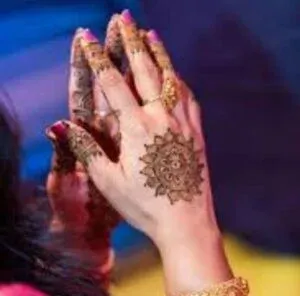

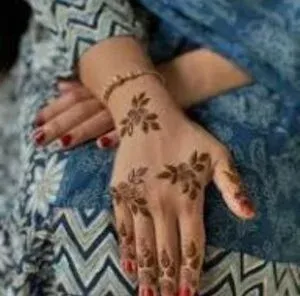
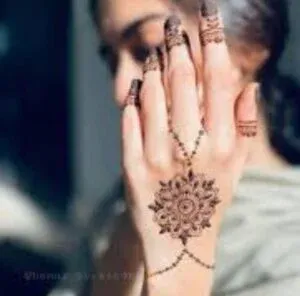
Floral Minimal Mehndi Design for Front Hand
Floral details are one of my favorite ways to keep a minimal pattern soft and feminine without making it dense. I can use one open flower, a short leafy stem, or a small floral cluster across the palm or fingers. For a more modern result, I keep the petals uncomplicated and use dots only where they improve the composition.

How I Choose the Right Minimal Mehndi Design
- For everyday use, I choose one small motif with plenty of open skin around it.
- For beginners, I start with flowers, leaves, dots, and simple curves rather than dense detailing.
- For the front hand, I keep the main motif centered or slightly offset with a light trail.
- For the back hand, I prefer small geometric or floral accents near the fingers or wrist.
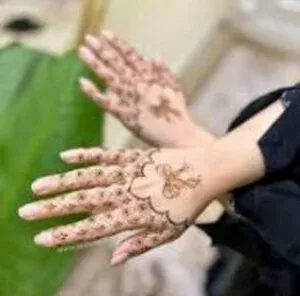
- For weddings and festivals, I add a few richer details while preserving the minimal character.
- If the hand is small, I reduce the motif size instead of squeezing more elements into the available space.
Common Minimal Mehndi Problems and Easy Fixes
If my fine lines look uneven, I slow down and keep steady cone pressure. If a minimal pattern starts looking crowded, I remove unnecessary fillers and restore some open space. If lines spread, I work on clean, dry skin and avoid applying excessive pressure. If the stain appears light, I remember that natural henna develops over time and the final shade can vary with the paste, skin, and aftercare. If wet Mehndi smudges, I avoid rubbing it while it is still fresh. If I experience burning, swelling, or significant irritation, I remove the product and stop using it.
Frequently Asked Questions
What is a Minimal Mehndi Design?
A minimal Mehndi design uses a small number of clean, well-spaced motifs instead of dense coverage. Common elements include flowers, leaves, dots, fine lines, and simple geometric shapes.
Is minimal Mehndi good for beginners?
Yes. I can begin with simple flowers, leaves, dots, and curved lines because they are easier to control than highly detailed full-hand patterns.
Can I wear a minimal Mehndi design to a wedding?
Yes. I can keep the base simple and add a few refined floral, paisley, or geometric details to make it more suitable for a wedding or festive event.
Which is better for minimal Mehndi: front hand or back hand?
Both work well. I choose the front hand when I want the palm motif to be the focus, while the back hand is useful for a lighter design around the fingers, knuckles, or wrist.
How do I keep a minimal Mehndi design from looking empty?
I use spacing intentionally and add only a few supporting dots, leaves, or short lines. The empty skin is part of the design, so I avoid filling every gap just to make it look fuller.
Final Thoughts
I like Minimal Mehndi Design ideas because they give me an elegant result without requiring heavy coverage. Whether I choose a tiny floral pattern, a clean geometric accent, a front-hand motif, or a delicate back-hand design, I can adjust the size and details to suit my style. The best minimal design is usually the one where every line has a purpose and the open space remains part of the overall look.