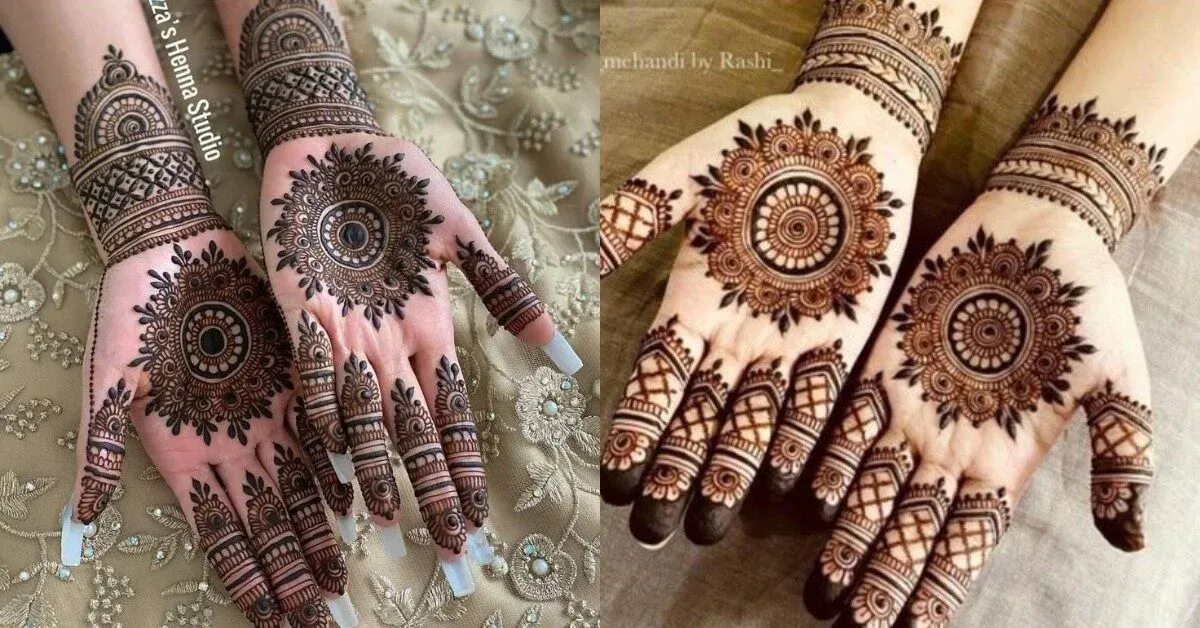
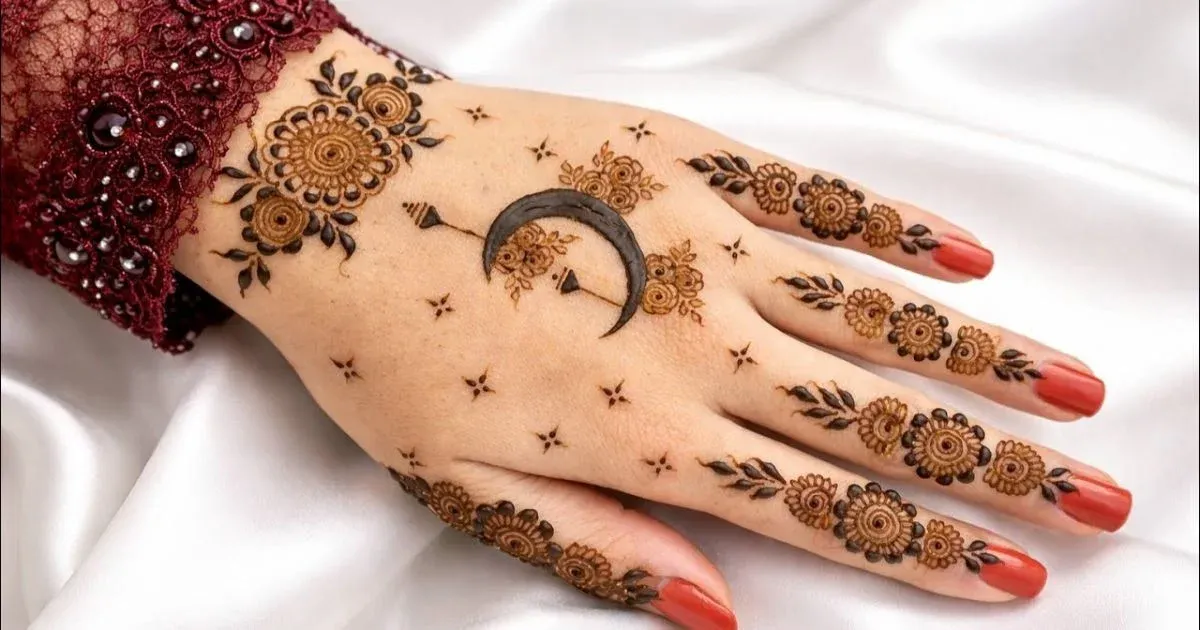
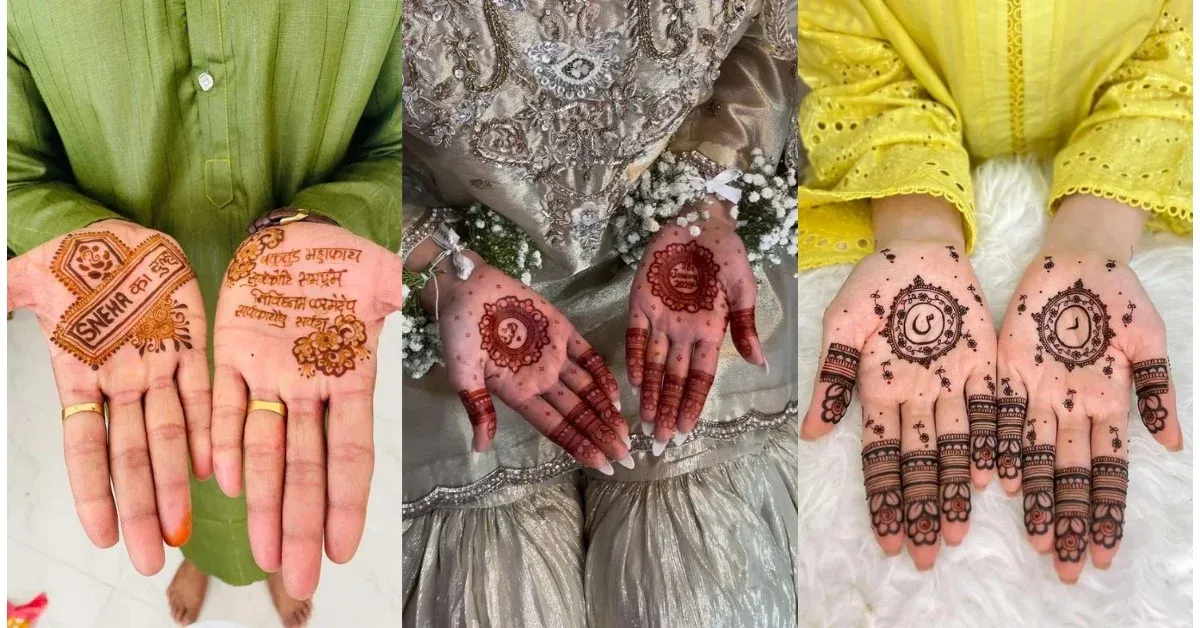
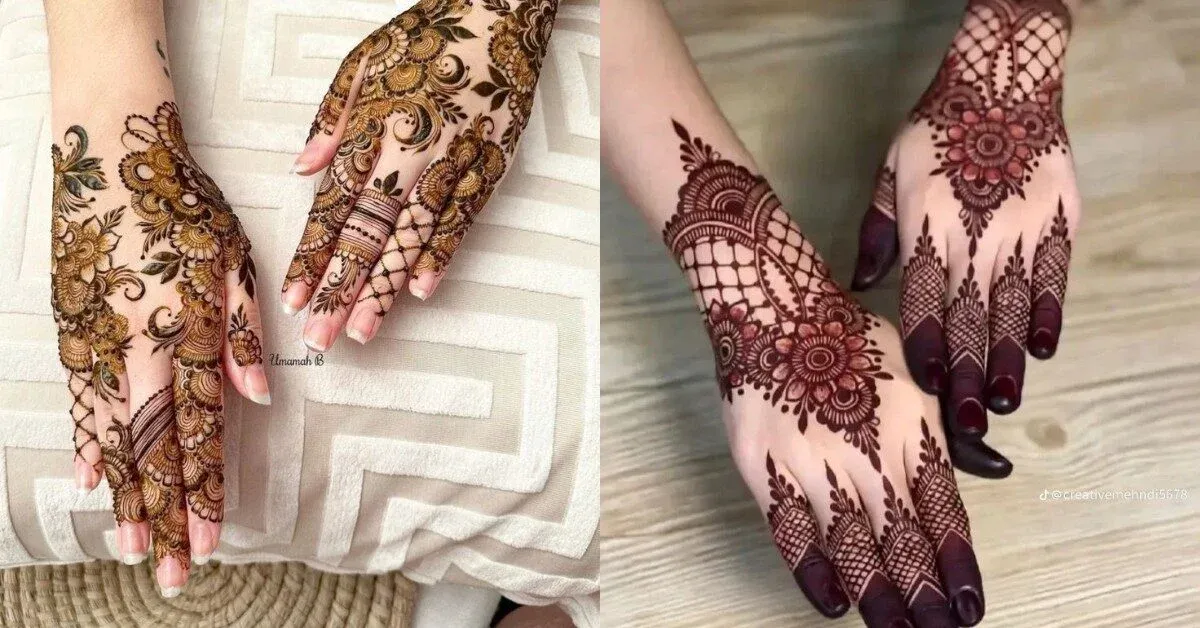
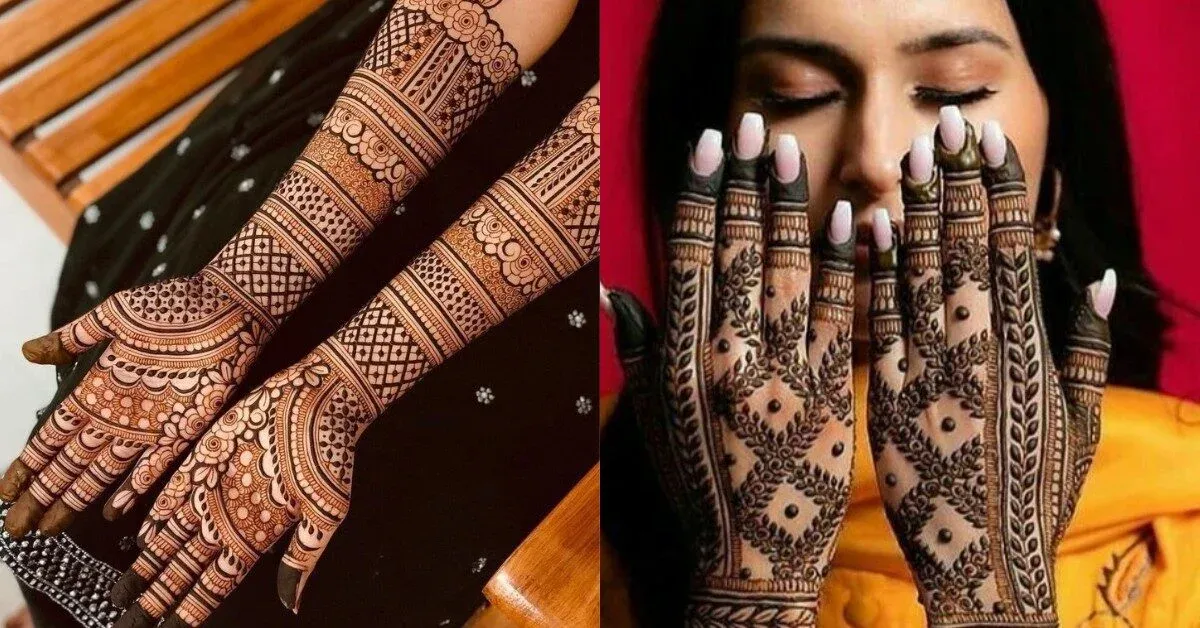
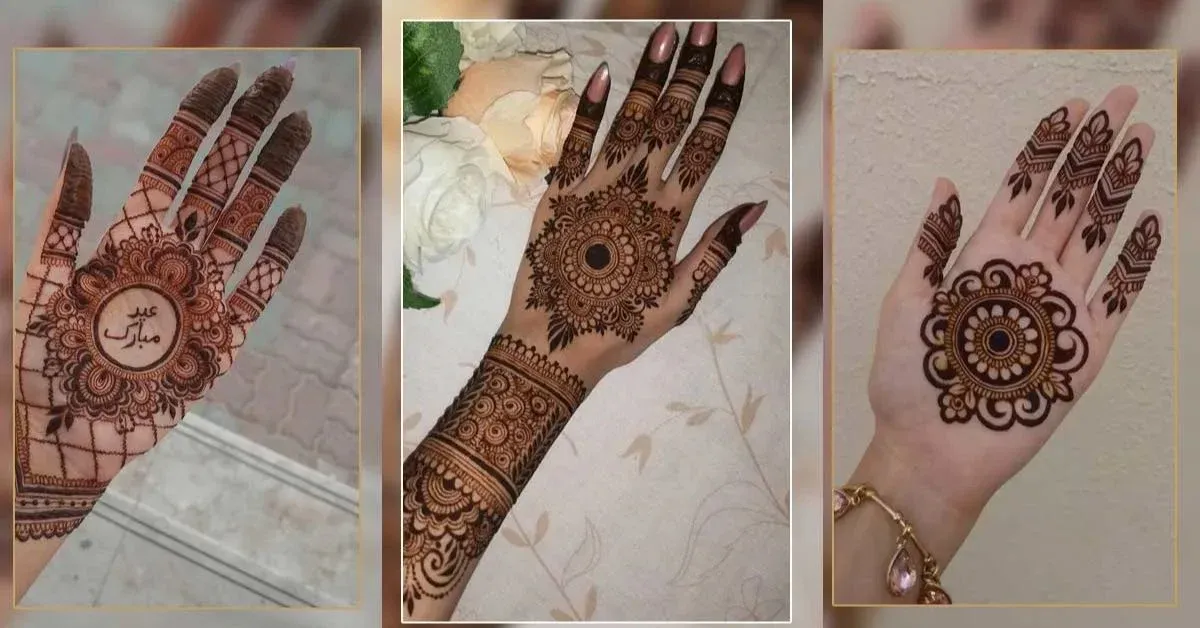
If I want a mehndi style that makes the palm look beautifully decorated without feeling difficult to choose, I start with an easy full palm mehndi design. Full-palm patterns can be simple, floral, Arabic, mandala, traditional, or modern, so I can match the design to a wedding, Eid, festival, family function, or everyday celebration. In this collection, I have covered practical ideas that look attractive and are easy to use as inspiration.
I also prefer designs that have a clear center, balanced details, and enough open space to keep the palm from looking messy. Whether I am choosing a design for myself or looking for an idea that a beginner can try, the best option is usually the one that fits the hand naturally and matches the occasion.
Table of Contents
Beautiful and Easy Full Palm Mehndi Designs
When I look for an easy full palm mehndi design, I focus first on simple lines, repeated dots, small flowers, leaves, paisleys, and neat borders. These elements are easy to understand and can be arranged across the palm without making the pattern unnecessarily complicated. A beginner can start with a central motif and then build the surrounding details one section at a time.
For a quick function, I like keeping the center slightly bold and the surrounding work lighter. For a wedding, I can add more flowers, fine lines, and filled sections. This makes the same basic palm layout useful for both simple and more detailed looks.
How I Choose a Full Palm Mehndi Design
Before applying mehndi, I consider three things: how much time I have, how comfortable I am with detailed drawing, and where I am going to wear the design. For a short event, I choose a simple palm pattern with a flower, round motif, or flowing Arabic vine. For a wedding or festive occasion, I can use fuller floral, paisley, peacock, or mandala patterns.
I also check the size of the palm. A small hand usually looks better with smaller motifs and a little more breathing room, while a larger palm can carry broader flowers and more detailed fills. Keeping the main design centered helps the finished mehndi look intentional rather than crowded.
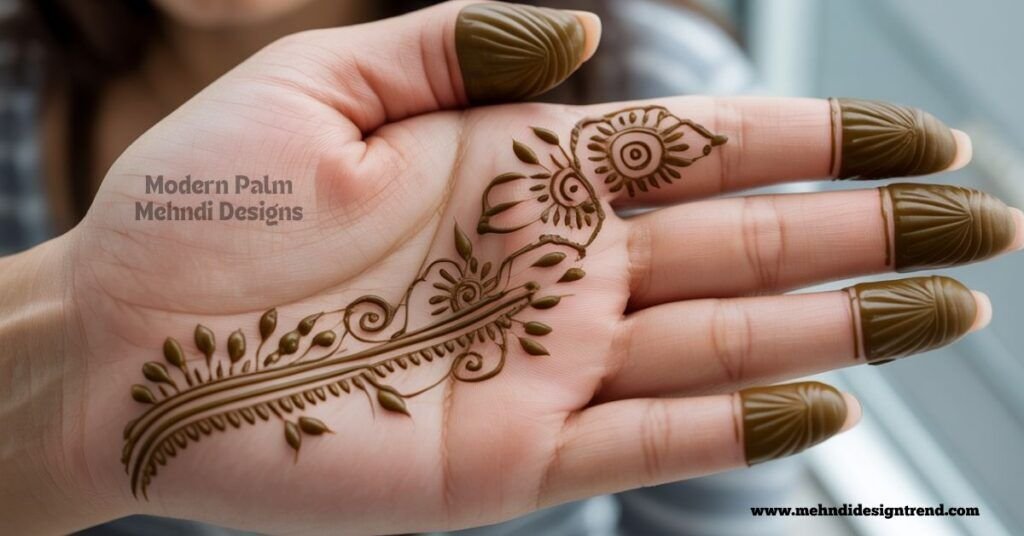
Simple Palm Mehndi Designs
Simple palm mehndi designs are my first choice when I want something neat and beginner-friendly. I can use a small flower, a few leaves, curved lines, dots, or a compact circular motif and still get an attractive result. These patterns are especially useful when I have limited time or want a lighter design for a casual gathering.
I find that simple designs look best when the lines are consistent and the empty areas are left intentionally. Instead of filling every part of the palm, I can repeat a few motifs in a balanced way and let the natural shape of the hand become part of the design.
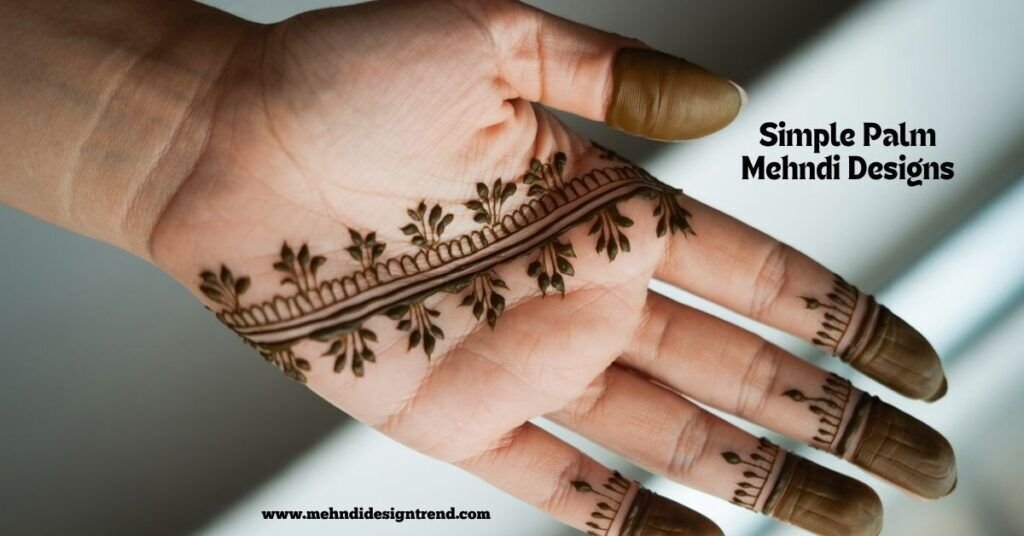
Modern Palm Mehndi Designs
Modern palm mehndi designs give me more freedom to move away from dense traditional patterns. I can combine geometric shapes, thin lines, small mandalas, abstract curves, and negative space to create a cleaner contemporary appearance. These styles work particularly well when I want traditional mehndi with a fashionable finish.
I usually keep one strong focal point and use smaller details around it. This prevents a modern design from becoming visually busy while still giving the palm enough character for photographs and celebrations.
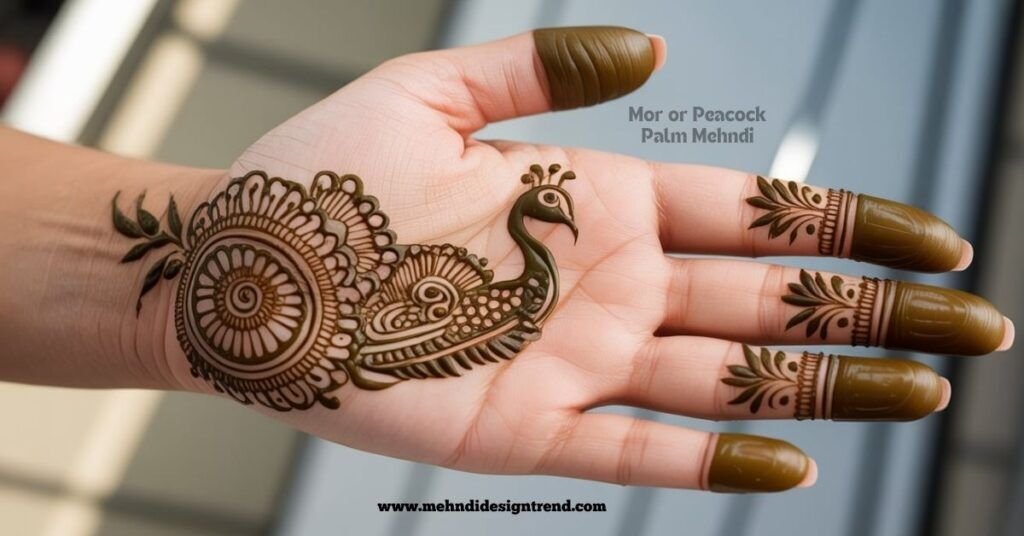
Mor or Peacock Palm Mehndi
Peacock mehndi is one of the most recognizable traditional motifs, and I like using it when I want the palm to have a strong decorative center. I can place the peacock across the middle of the palm and surround it with flowers, leaves, dots, and fine feather details.
For a wedding, I can make the peacock more detailed with filled feathers and ornamental borders. For a smaller function, I prefer a simplified outline so the design remains easier to apply and does not take too long.
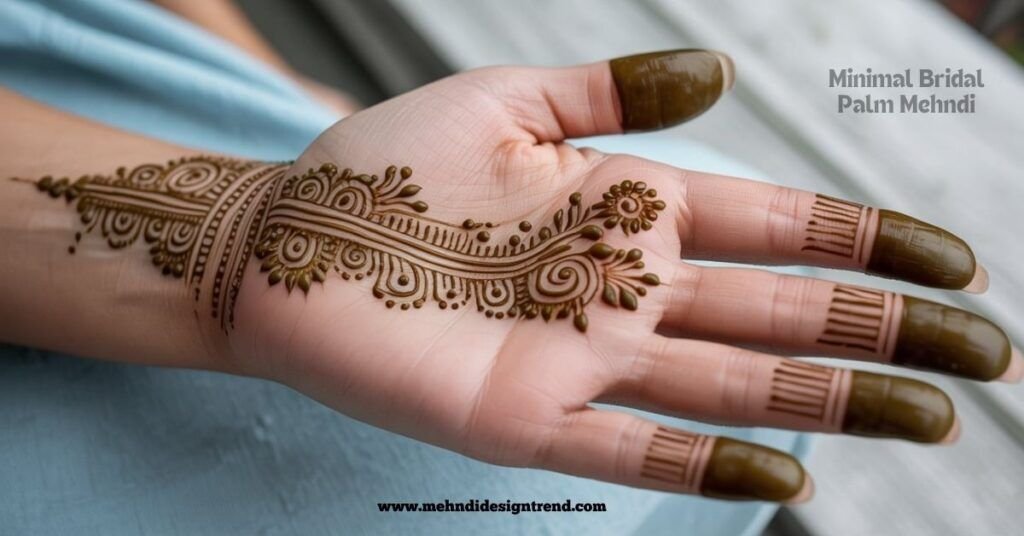
Minimal Bridal Palm Mehndi
When I want a bridal palm design without very heavy coverage, minimal bridal mehndi gives me a good middle ground. I can keep a delicate floral or mandala center and add fine finger details while leaving selected areas of skin open. The result feels elegant rather than overloaded.
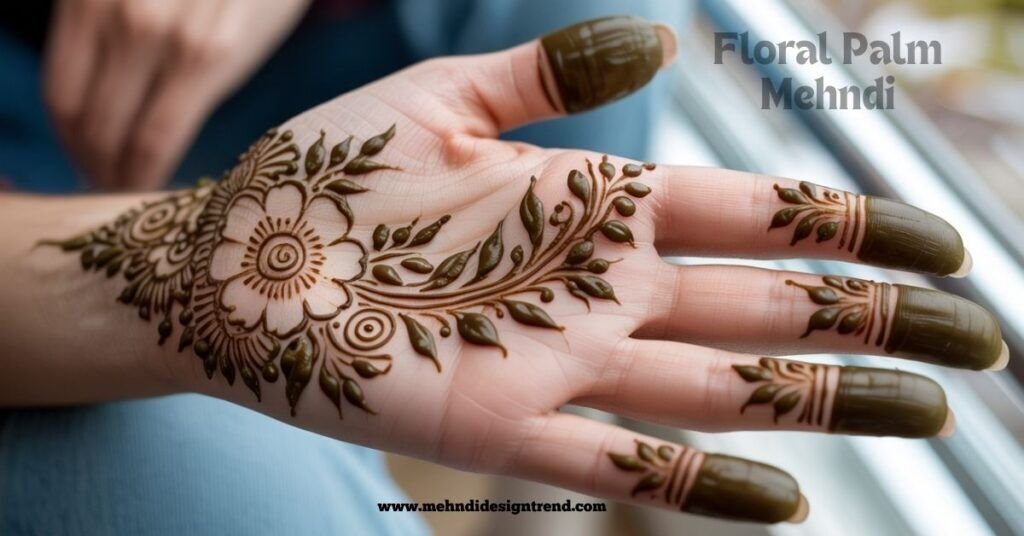
Floral Palm Mehndi
Floral palm mehndi is easy to adapt because flowers can be drawn in many sizes and styles. I can use one large flower as the focal point, create a small bouquet, or connect several blooms with leaves and vines. Simple five-petal flowers are suitable for beginners, while shaded roses and layered petals give a more detailed finish.
Mandala Palm Mehndi
Mandala palm mehndi is a natural fit for the center of the hand because its circular structure follows the shape of the palm. I start with a small center and build outward using rings, petals, dots, scallops, and fine lines. The key is to keep each layer evenly spaced so the circle remains balanced.

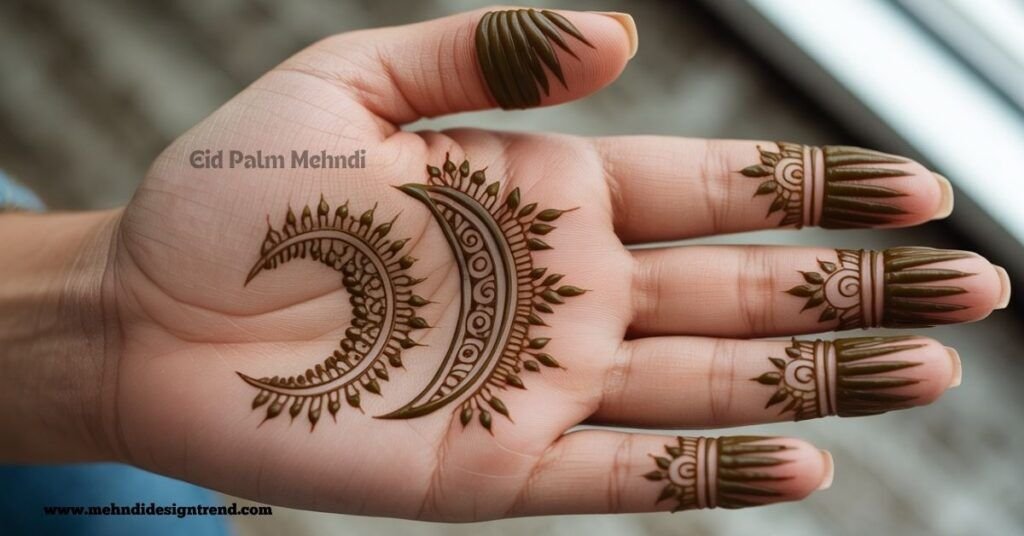
Eid Palm Mehndi
For Eid, I like palm mehndi that feels festive but still comfortable to wear. Floral vines, stars, crescents, paisleys, and delicate borders can be combined to create a celebration-ready pattern. I can keep the center detailed while leaving a little open space around it for a lighter appearance.
If I am applying mehndi before Eid, I also leave enough time for the paste to dry and for the stain to develop naturally. The design itself should remain comfortable and practical rather than being chosen only because it looks complicated.
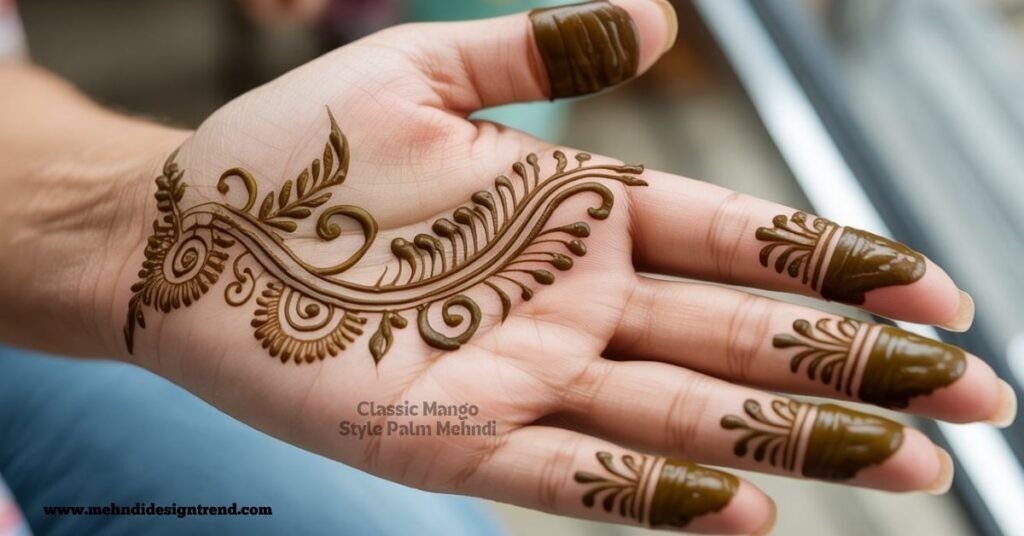
Classic Mango Style Palm Mehndi
Mango or paisley motifs give a palm mehndi design a familiar traditional character. I can draw one large paisley in the center or combine several smaller mango shapes with flowers, leaves, dots, and net patterns. The motif is flexible enough to work in both simple and detailed designs.
For a traditional function, I prefer filling the paisley with fine lines and small repeated details. For a quick design, I keep the outline clean and use only a few decorative elements inside.
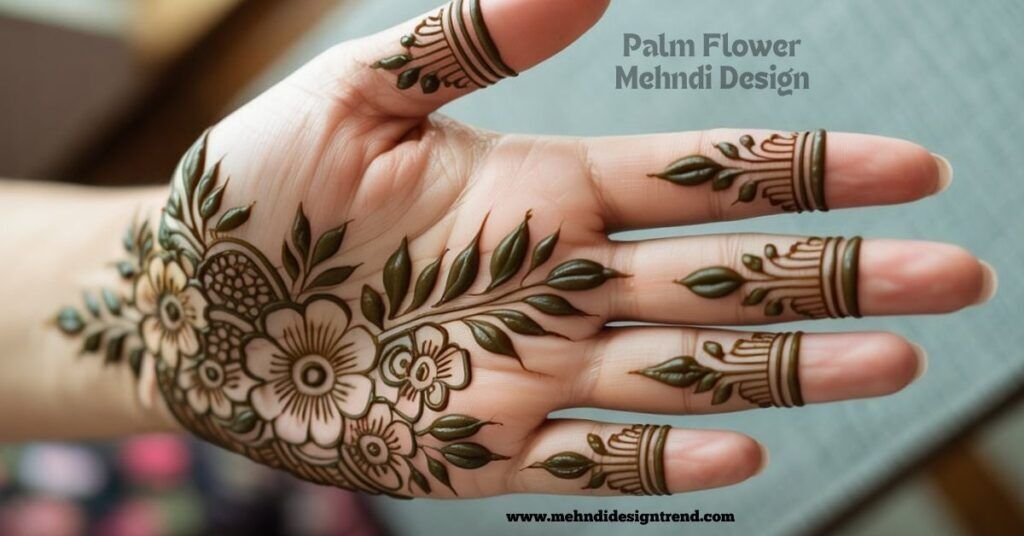
Palm Flower Mehndi Design
When I want the flower to be the main feature, I build the whole palm composition around it. A single large bloom can sit in the center, while smaller flowers and leaves can extend toward the fingers. I can also add a thin vine toward the wrist to connect the sections naturally.
For beginners, I recommend starting with simple petals rather than trying to copy highly shaded flowers immediately. Once the basic flower is comfortable, small dots and leaves can make the design look much more finished.
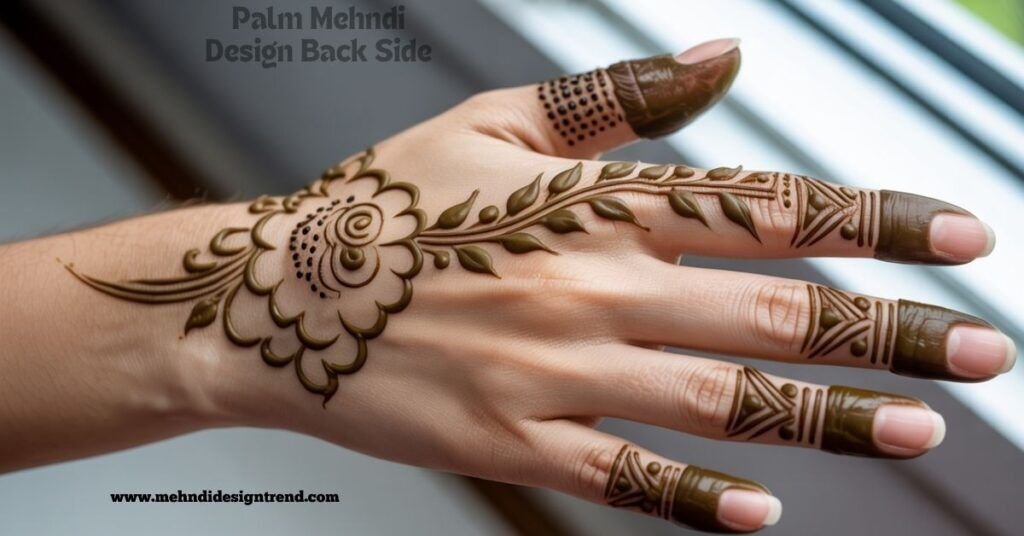
Palm Mehndi Design Back Side
Although this collection focuses on the palm, I can extend the overall style to the back side of the hand when I want a coordinated look. A small matching flower, finger pattern, bracelet band, or side border can connect the two sides without repeating the exact same design.
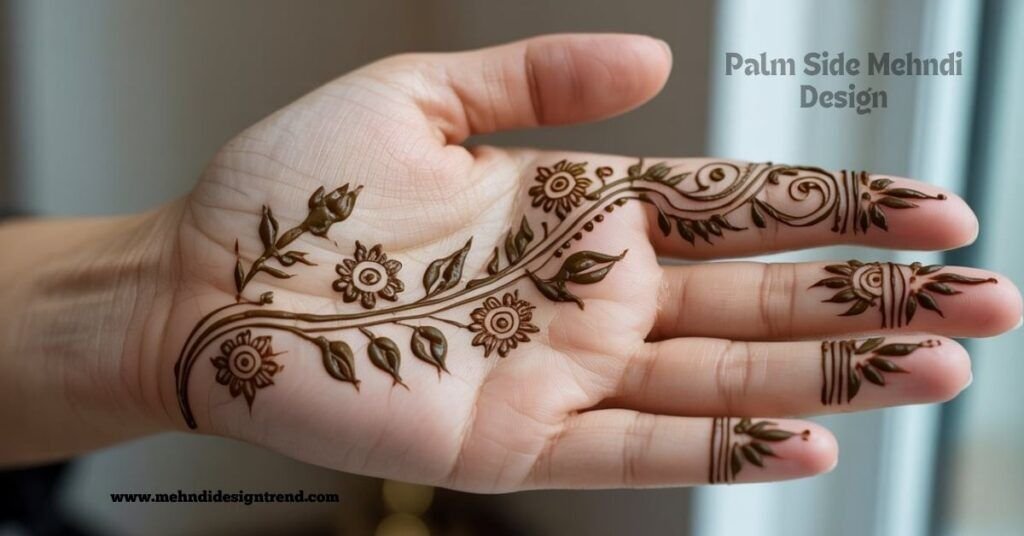
Palm Side Mehndi Design
Palm side mehndi is useful when I want the main design to feel more complete. I can add a narrow vine, border, dots, or curved line along the edge of the palm. These small details can frame the central design without covering the entire hand.
Palm Mehndi Design Simple Front Hand
If I want a simple front-hand look, I keep the palm as the main canvas and avoid unnecessary coverage around the wrist. A central flower, small mandala, paisley, or leafy arrangement can provide enough decoration on its own. This approach is especially useful when I need a design that looks polished but can be completed quickly.

Palm Length Arabic Mehndi Design
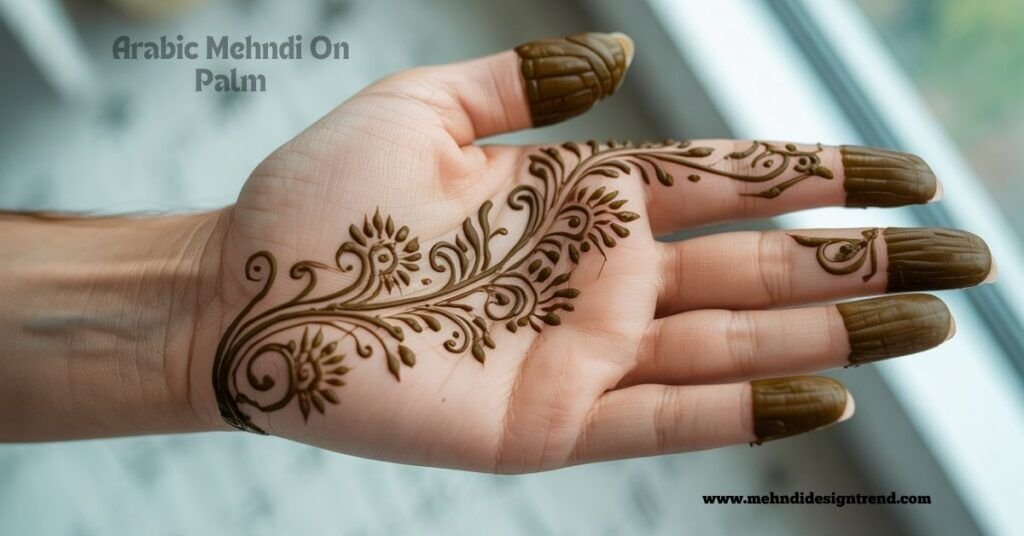
Arabic palm mehndi is one of my preferred choices when I want bold flowers, flowing vines, and visible open space. Instead of filling the palm with tiny details, I can connect larger motifs along a curved path. This creates movement and gives the design a lighter, modern appearance.
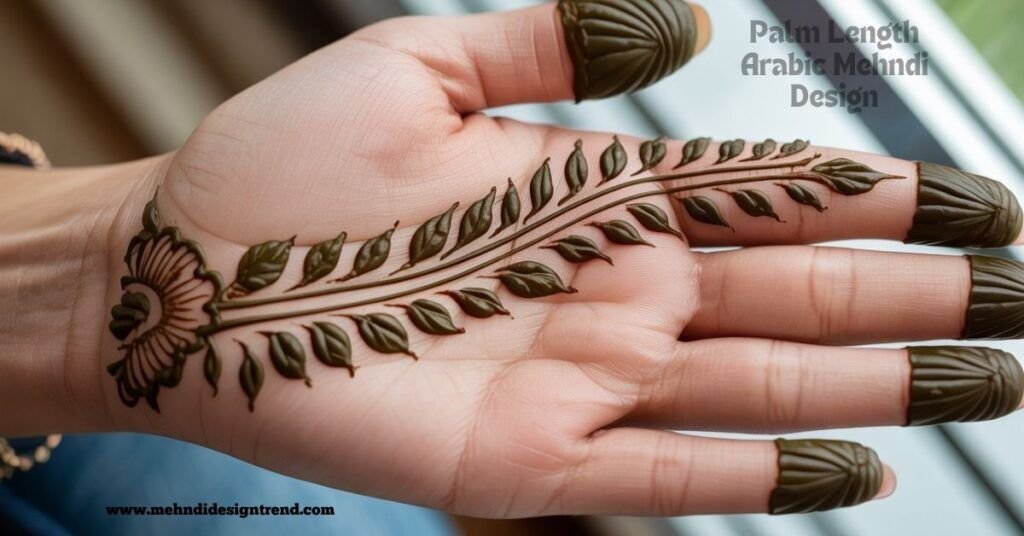
Palm Hand Mehndi Design
A full palm hand mehndi design works best when all the sections feel connected. I can use one central motif and repeat related shapes toward the fingers and lower palm. The goal is not simply to cover every empty area, but to create a composition where the details look like they belong together.
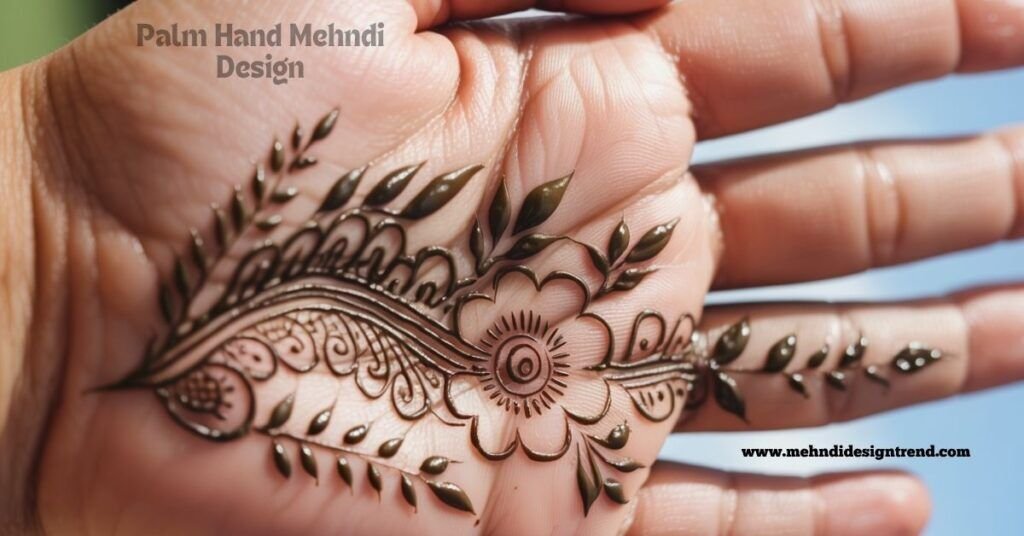
Mehndi Designs For Palm
When I compare mehndi designs for the palm, I look at the occasion, application time, and detail level. A simple floral pattern is suitable for a casual day, while a mandala, peacock, or detailed paisley composition can suit a wedding or festive event. I also prefer designs that leave enough room for the natural shape of my palm to remain visible.
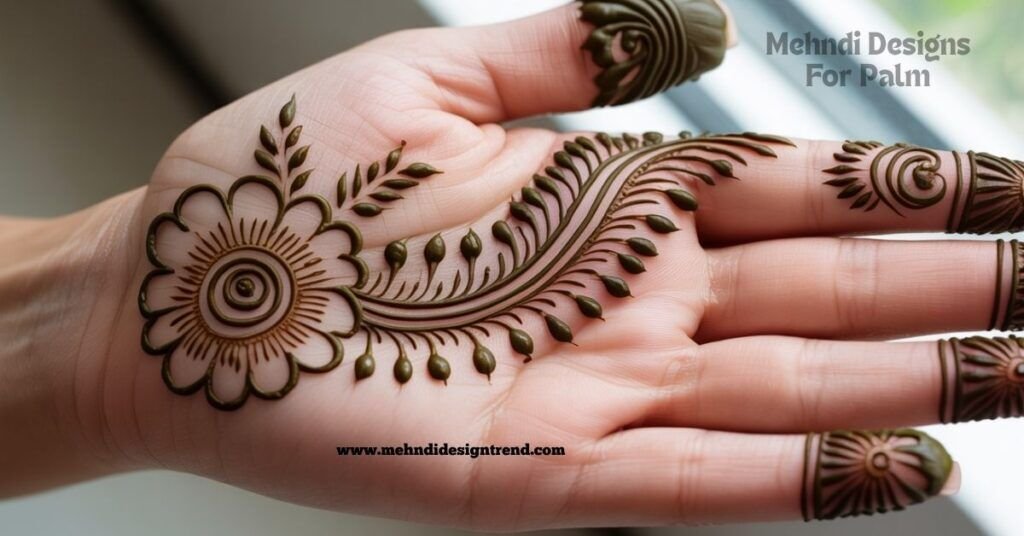
Palm Length Mehndi Design
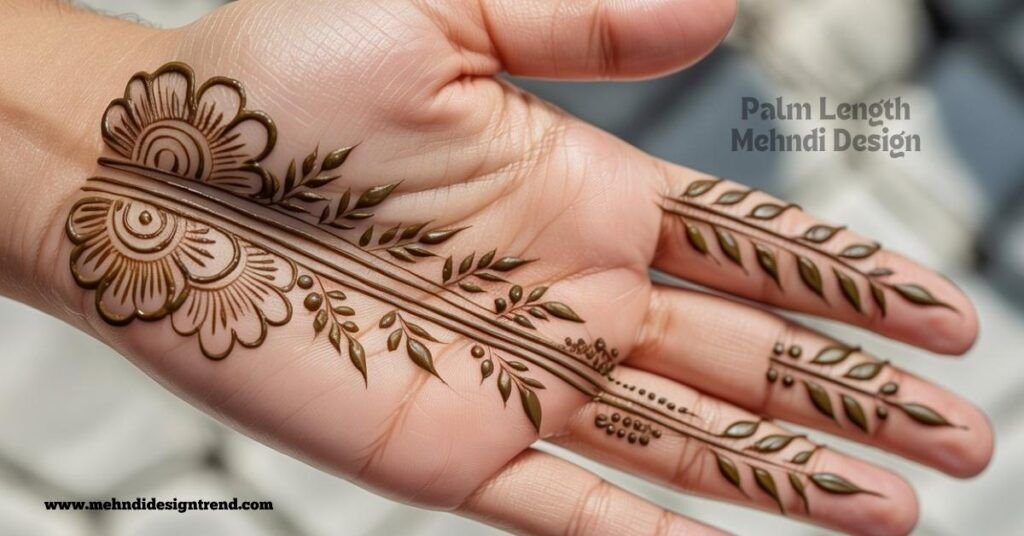
Palm-length designs are useful when I want the decoration to stay within the natural palm area. I can create a vertical arrangement from the lower palm toward the fingers or use a centered motif with small extensions. This gives me a defined look without requiring a large wrist or forearm pattern.
Palm Circle Mehndi Design
Circle-based palm mehndi is another simple way to organize the design. I can begin with a small center and add petals, rings, dots, or scalloped borders around it. Because the circular shape naturally fits the middle of the palm, it is easy to make the design look balanced when the spacing is kept consistent.

Right Hand Palm Mehndi Design
For the right hand, I can choose a slightly more detailed palm pattern if I want it to become the statement design. Floral centers, paisleys, peacock motifs, and detailed finger work all work well here. I can then keep the other hand simpler so both hands look coordinated without being identical.

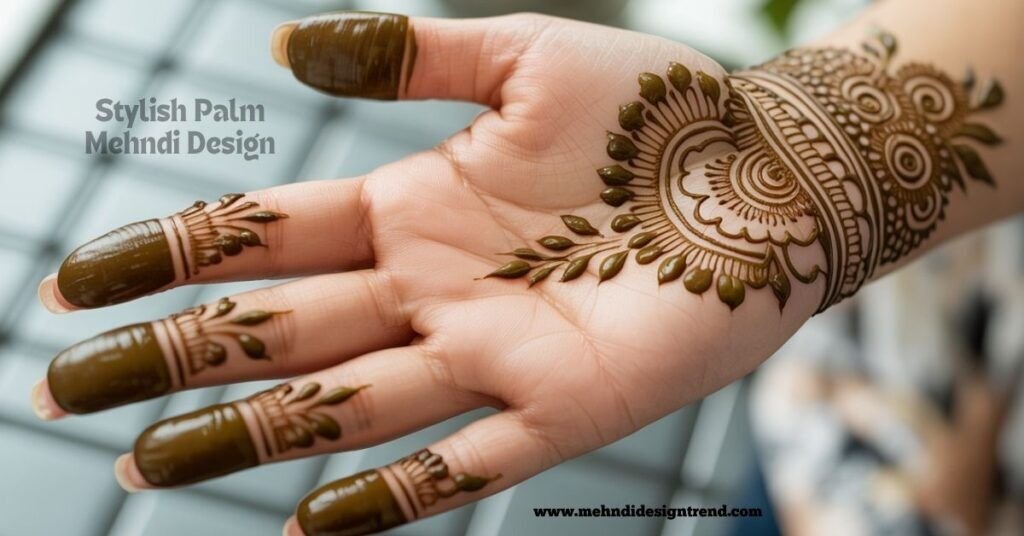
Stylish Palm Mehndi Design
A stylish palm mehndi design can combine traditional flowers and paisleys with cleaner lines, open spaces, and modern finger patterns. I like this approach when I want something that feels current without losing the familiar character of mehndi.
Palm Round Mehndi Design
Round motifs are easy for me to repeat and combine. I can use a large central circle with smaller circular accents around it, or create a layered round pattern that fills only the middle of the palm. This style is especially useful when I want symmetry without drawing a complicated scene or figure.

Palm Mehndi Design For Boy
For boys or men who want to take part in a wedding or cultural celebration, I would keep the palm pattern bold and straightforward. Geometric lines, simple symbols, compact motifs, and stronger borders can create a less delicate appearance while still keeping the traditional mehndi feel.

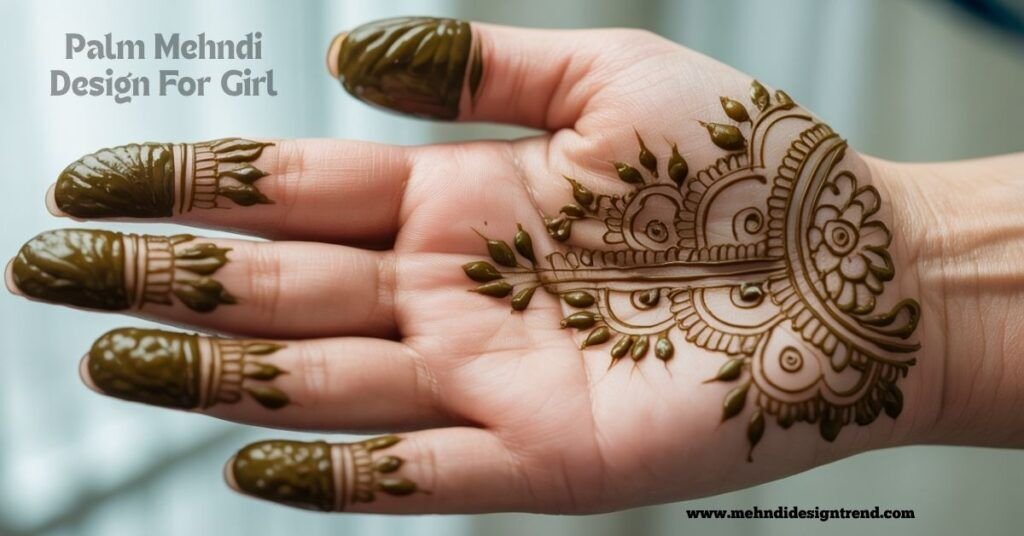
Palm Mehndi Design For Girl
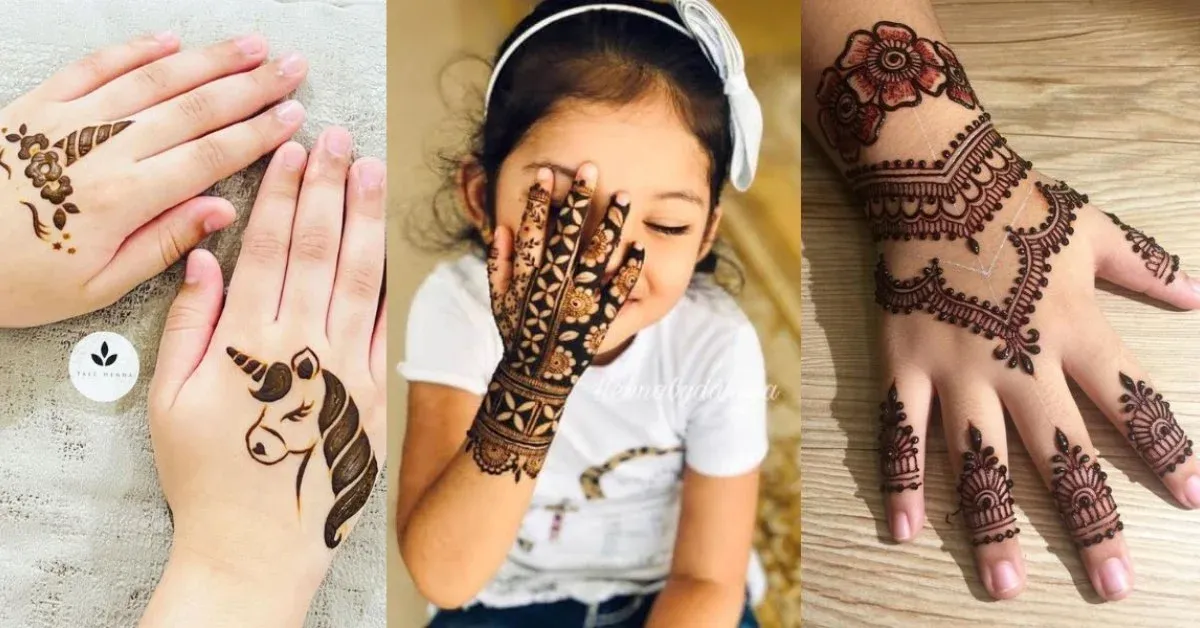
For girls, I prefer fun palm designs that match their age and patience level. Small flowers, hearts, stars, butterflies, leaves, and simple patterns can look cute without requiring a long application. Older girls can also choose modern floral, mandala, or Arabic-inspired designs.
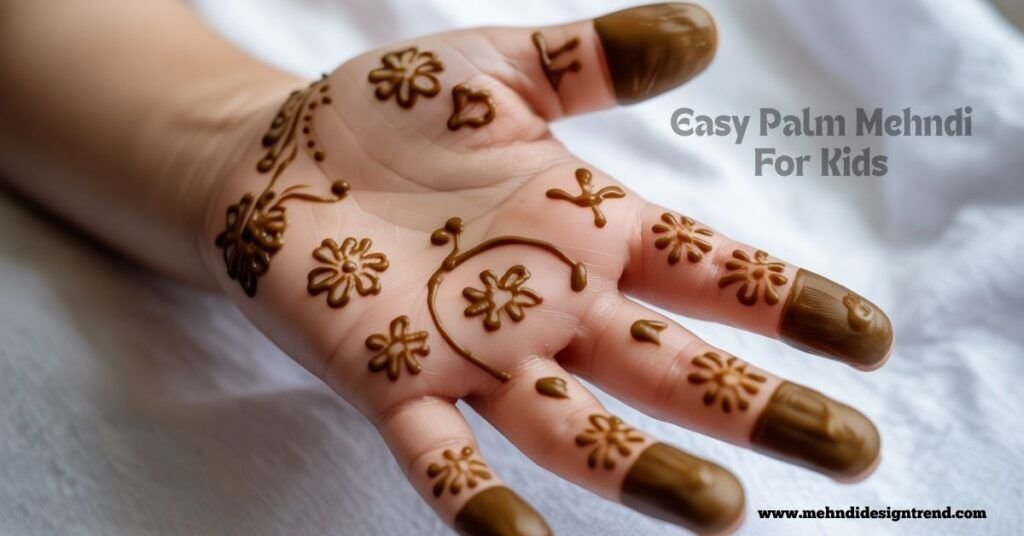
Easy Palm Mehndi For Kids
For children, I keep the pattern short, simple, and comfortable. A small flower, heart, star, smiley face, or a few dots and curves can be enough. I would avoid choosing a design that requires a long application because a child may not want to keep the hand still for that long.
Palm Size Mehndi Design
Palm-size mehndi designs are planned around the actual dimensions of the hand. I choose motifs that are large enough to be visible but not so large that they become cramped. For a smaller palm, I usually simplify the interior details; for a larger palm, I can add extra petals, leaves, or borders.

Henna Palm Design
Henna palm designs cover a wide range of styles, from traditional Indian motifs to Arabic florals and contemporary patterns. When I choose one, I pay more attention to the quality of the design and the way it fits the palm than to how complicated it appears. A clean, well-spaced pattern can look better than an overcrowded one.

Henna Designs Palm
I can take inspiration from Indian, Arabic, Pakistani, Moroccan, or fusion mehndi when choosing a palm design. Each style uses different combinations of lines, flowers, geometric details, paisleys, and open space. Mixing a few compatible elements can create a personalized look without making the palm confusing.

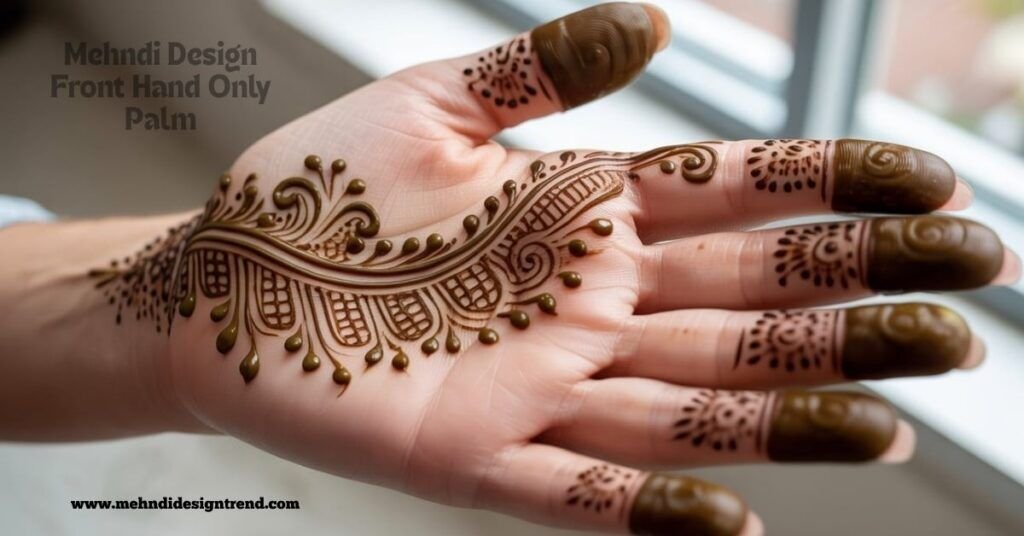
Mehndi Design Front Hand Only Palm
If I want the front hand decorated but do not want a large wrist or forearm design, I can keep the work concentrated on the palm. A central motif with light finger decoration gives a finished appearance while keeping the overall application manageable.
Modern Palm Mehndi Design
For a modern palm mehndi design, I can use thin linework, abstract shapes, geometric sections, and deliberate empty spaces. The design does not need to be completely symmetrical to look attractive. A controlled asymmetrical arrangement can actually make the palm feel more contemporary.

Arabic Mehndi On Palm
Arabic mehndi on the palm usually feels airy because larger flowers and flowing vines are separated by open skin. I like this style when I want a design that looks striking without requiring tiny details everywhere. It is also easy to adapt by changing the size of the flowers or the direction of the vine.
Mehndi Design Easy Palm
When I need a last-minute palm mehndi idea, I return to basic shapes. I can draw a flower or small circle in the center, add a few leaves, outline the fingers, and finish with dots. Repeating simple elements gives the design a finished appearance without requiring advanced drawing skills.

Troubleshooting Full Palm Mehndi Designs
If my central motif looks uneven, I do not try to hide the mistake by adding more detail. I first simplify the shape and rebuild the surrounding pattern with consistent spacing. If one side becomes heavier, I balance it with a similar small element on the other side. When lines become too thick, I reduce the amount of filling instead of forcing extra details into a small area.
If the design starts looking crowded, I leave a few sections open. Negative space is useful because it separates the main motifs and makes even a detailed full palm mehndi design easier to read. I also avoid drawing extremely tiny details before the larger structure is correct.
Frequently Asked Questions
What is a full palm mehndi design?
A full palm mehndi design is a pattern planned mainly across the palm, often using a central motif with supporting flowers, paisleys, vines, dots, or geometric details. I can choose anything from a simple layout to a heavily detailed style.
Which full palm mehndi design is easiest for beginners?
I would start with a simple floral, small mandala, or basic round palm design. These styles have clear shapes and do not require advanced shading or very fine detailing, making them easier to practice.
Which palm mehndi design is best for a wedding?
For a wedding, I would choose a detailed floral, peacock, paisley, or mandala design. If I want a modern bridal look, I would keep some negative space while adding fine finger and palm details for a more refined finish.
How can I make a palm mehndi design look neat?
I keep the main motif centered, make the spacing consistent, and avoid filling every empty area. I also complete the larger outline before adding small details, which helps the whole design stay balanced.