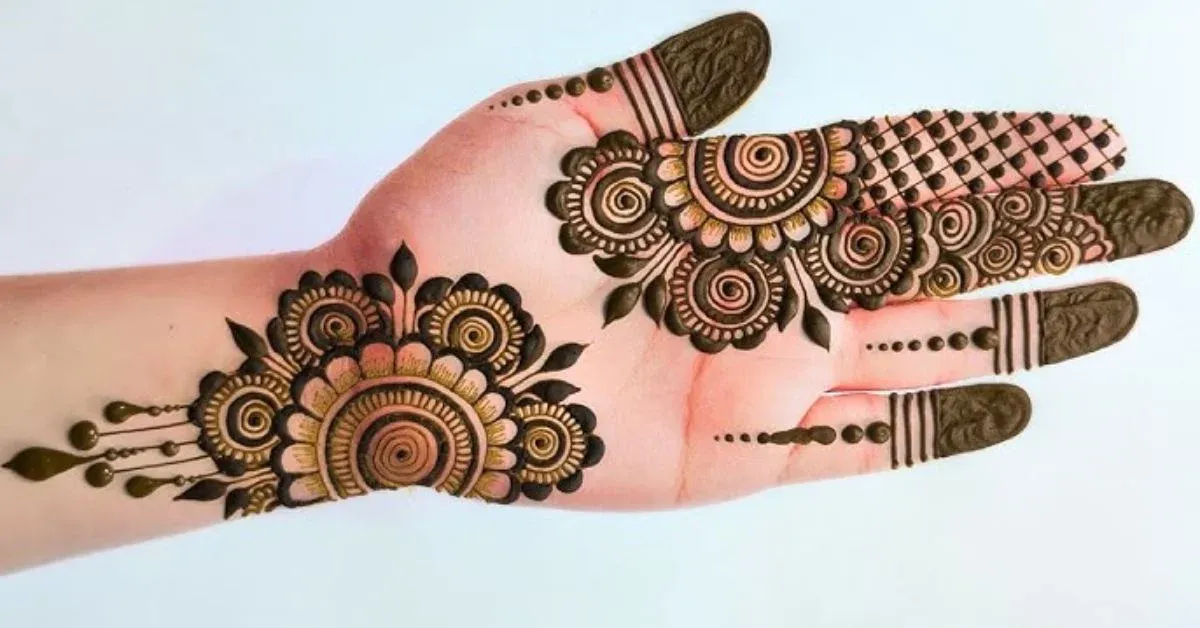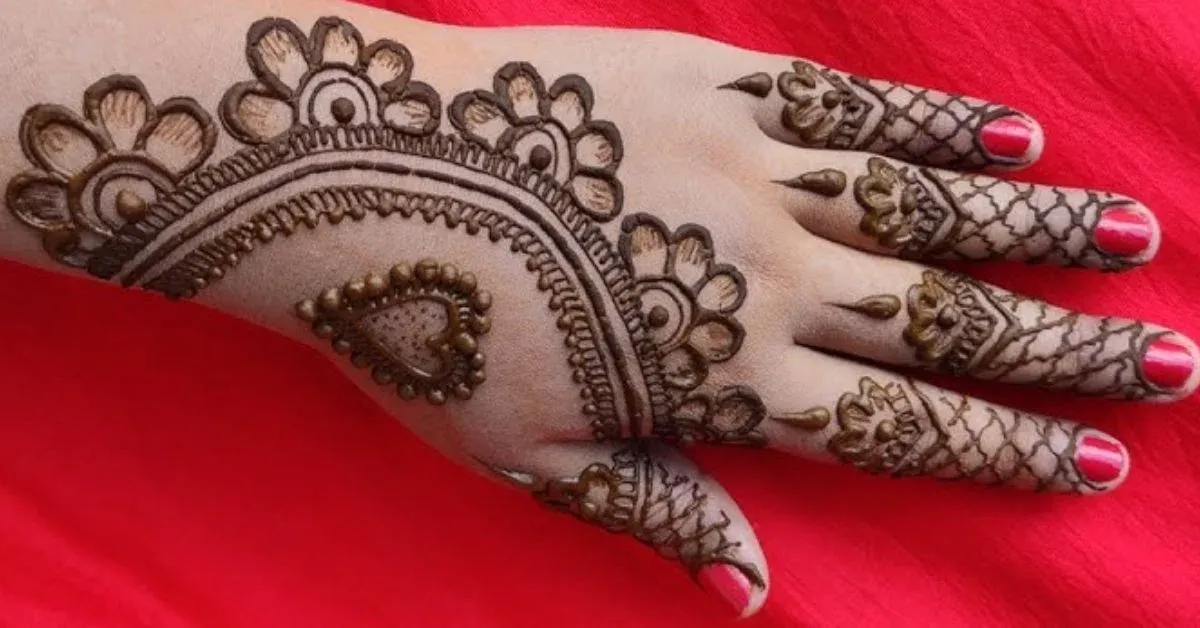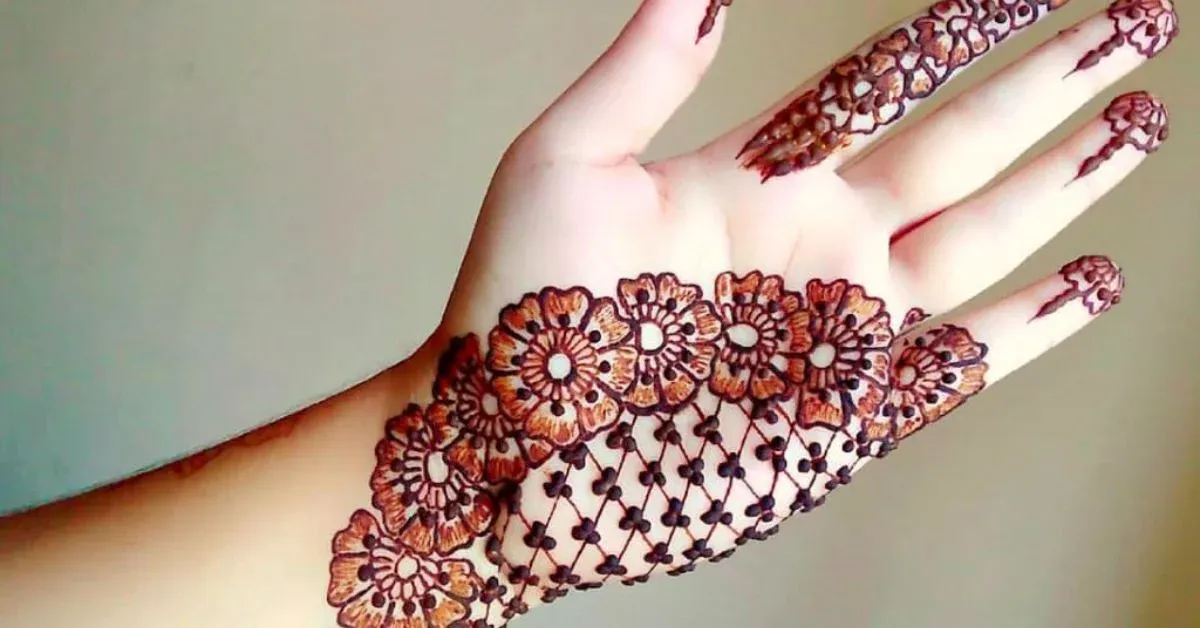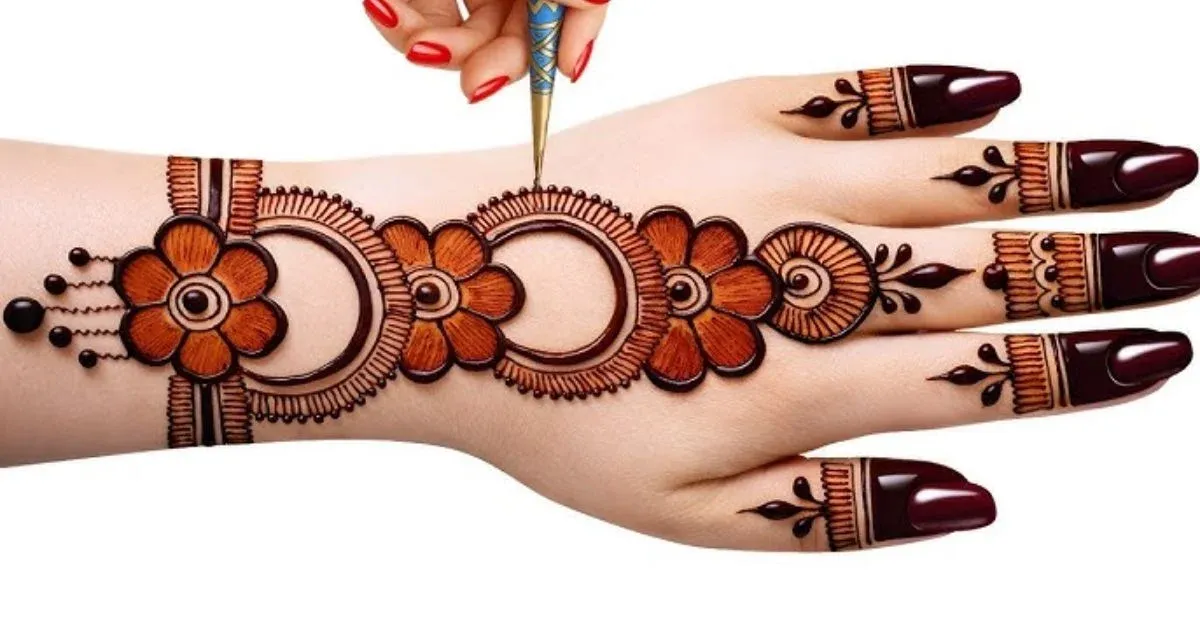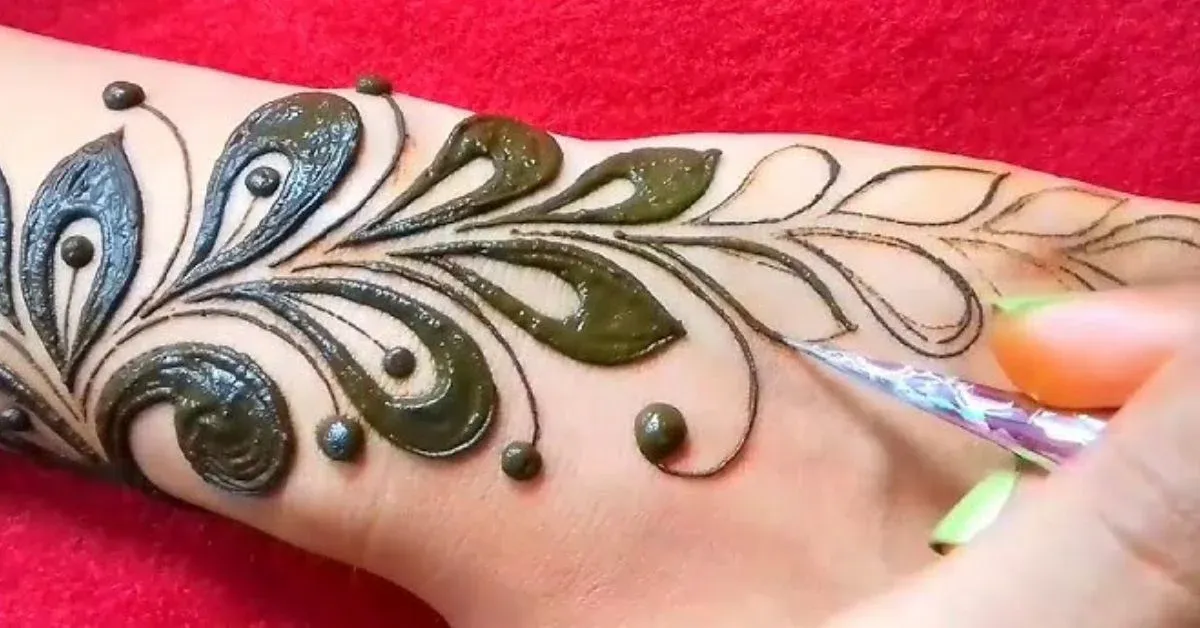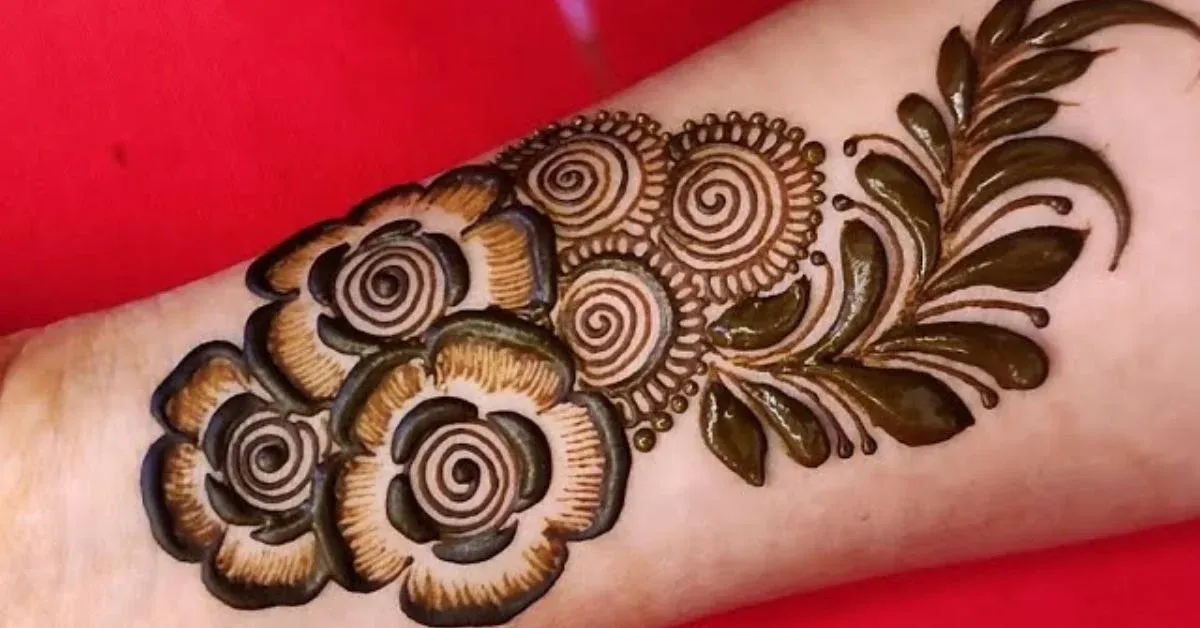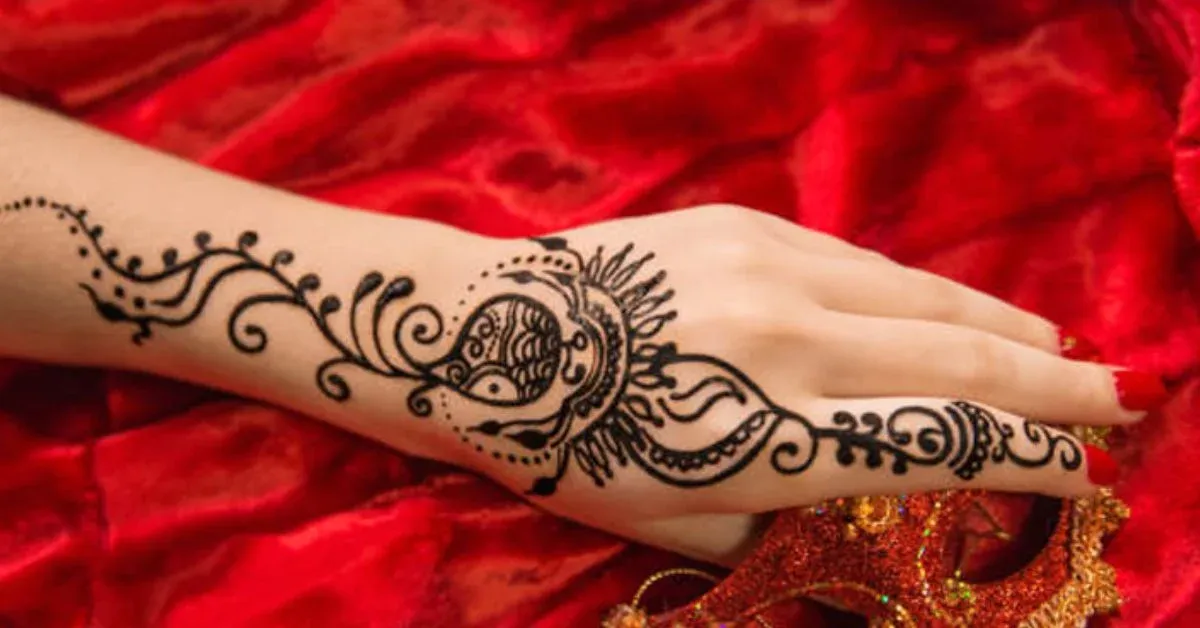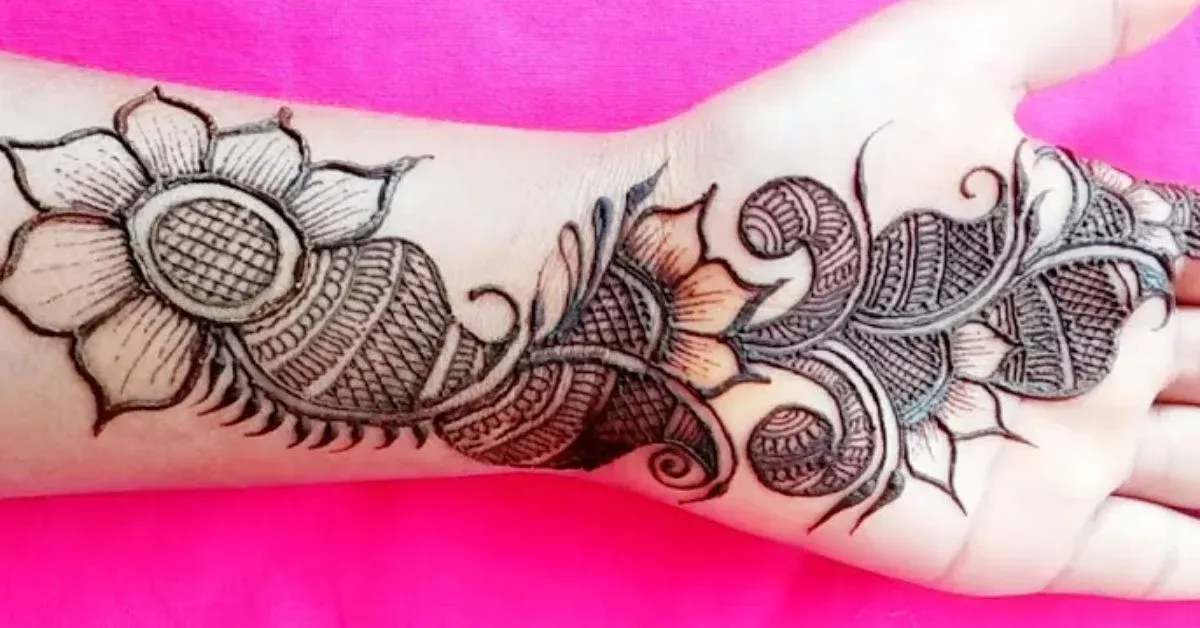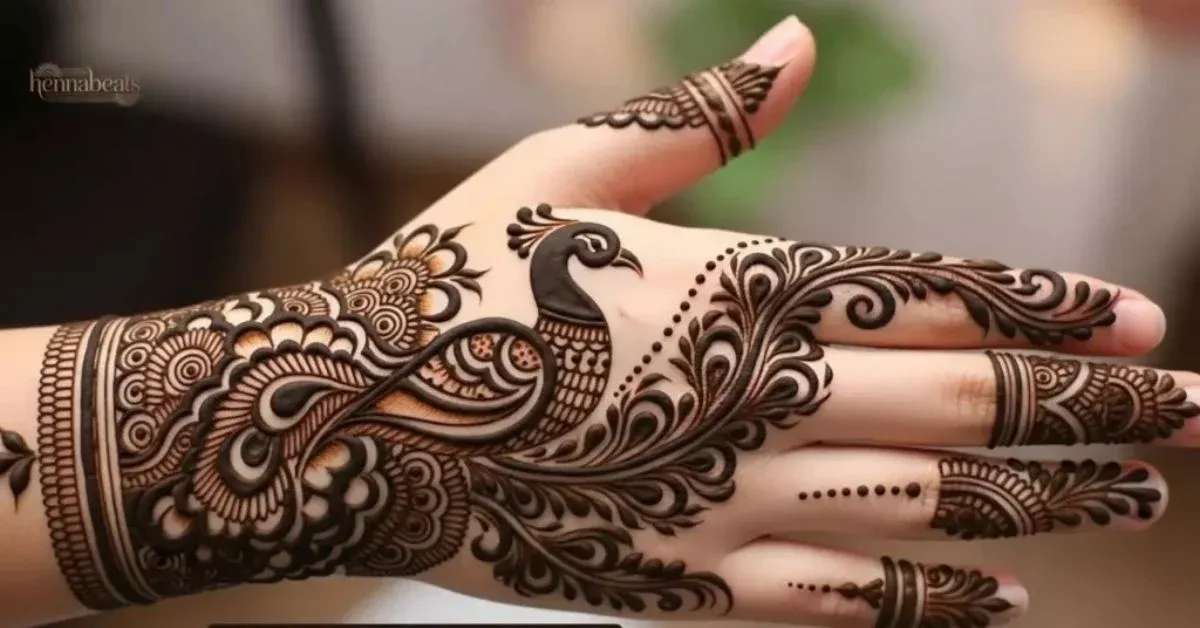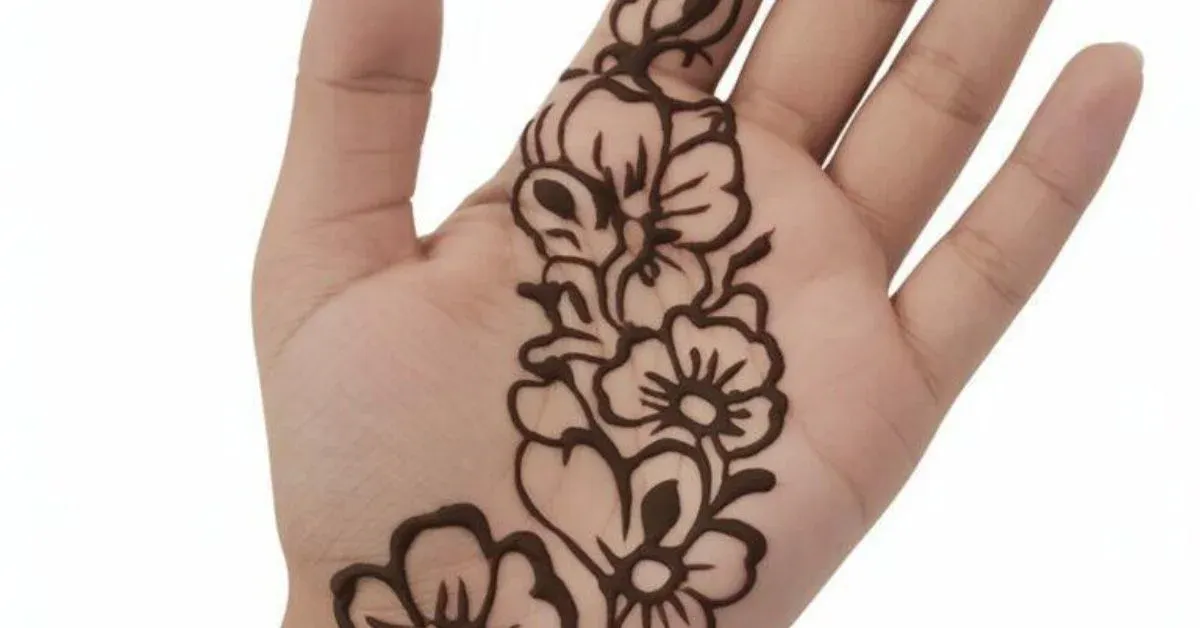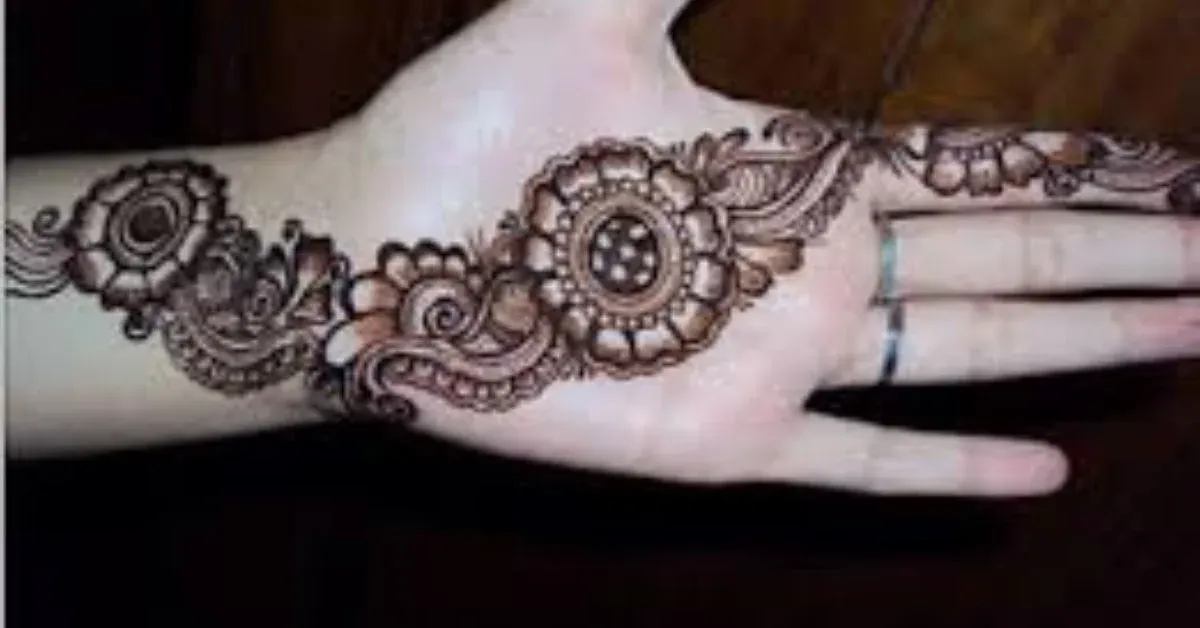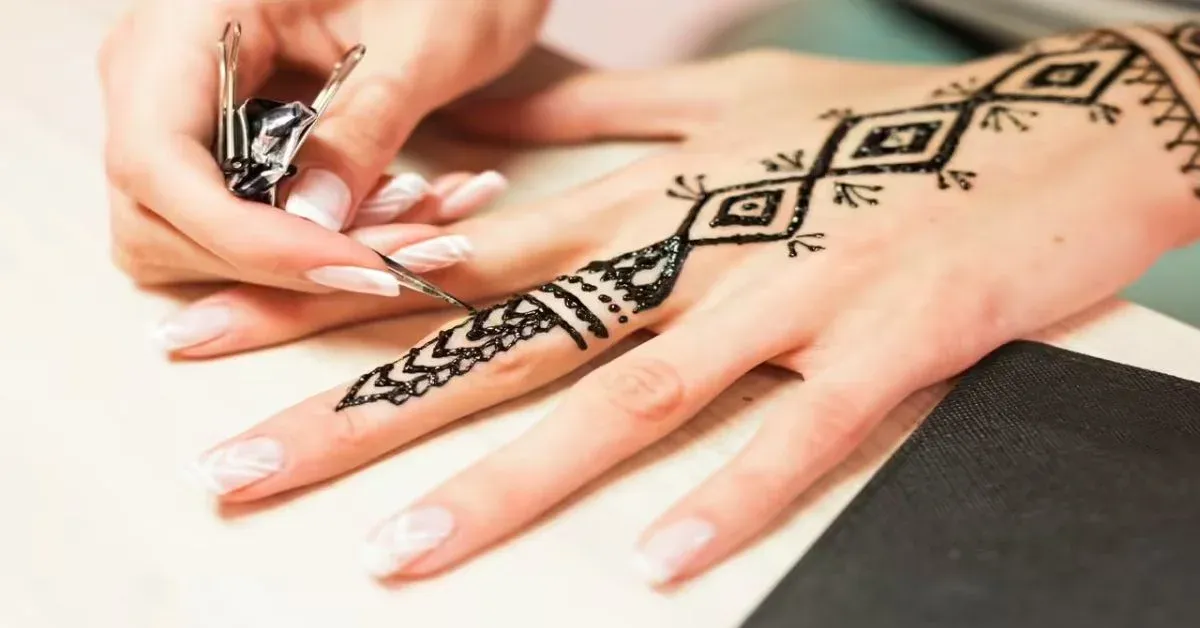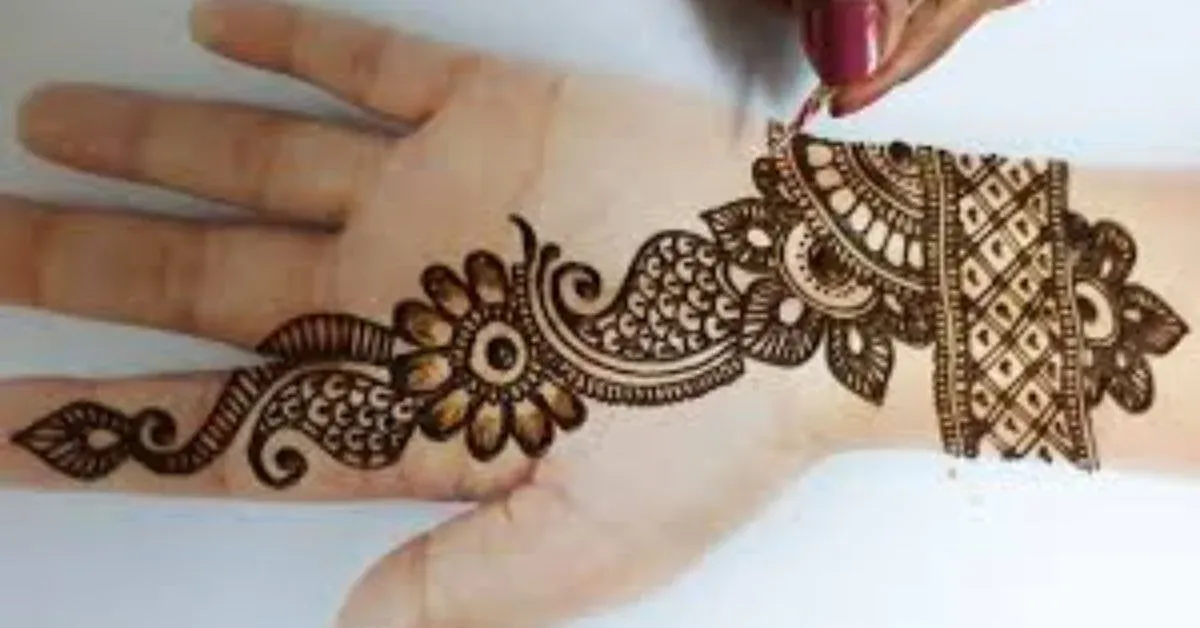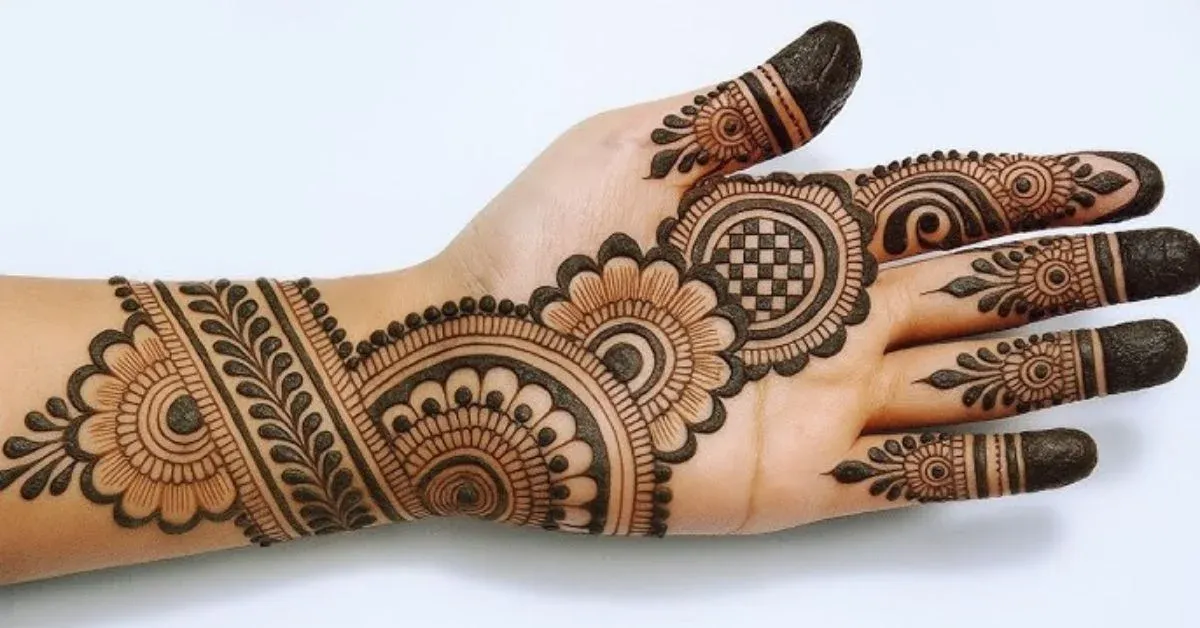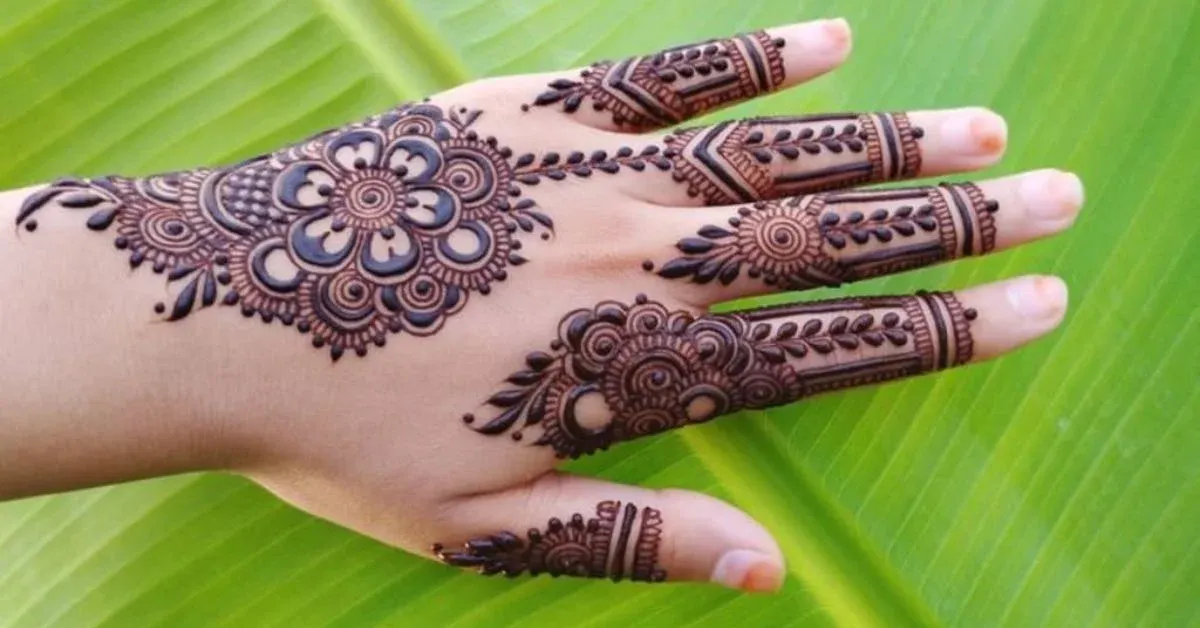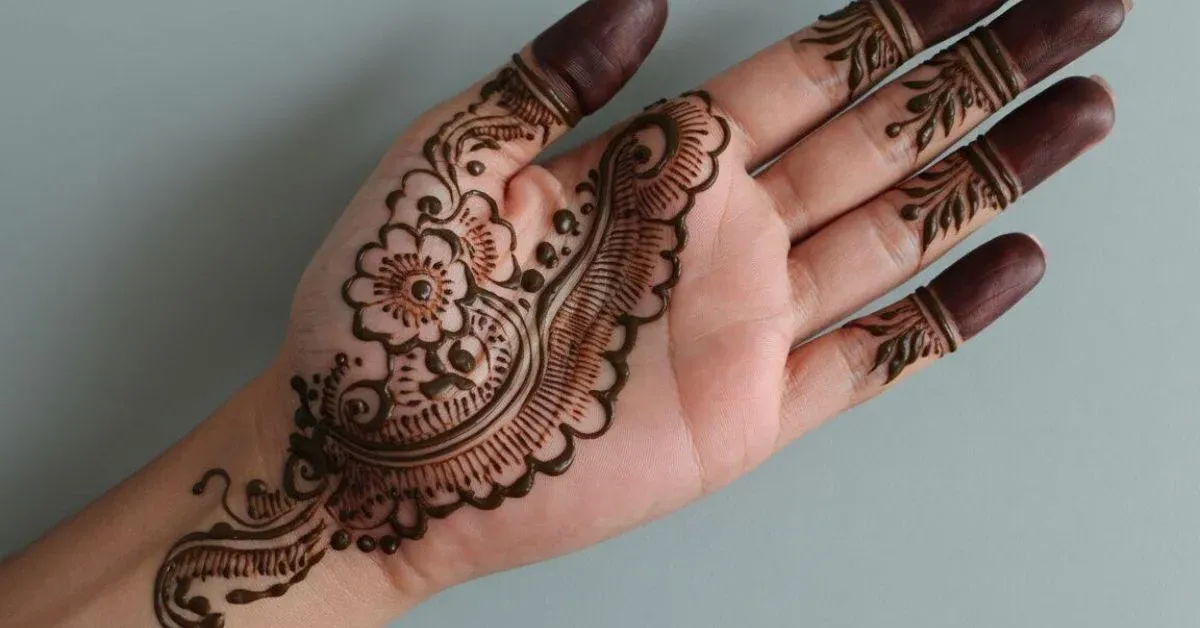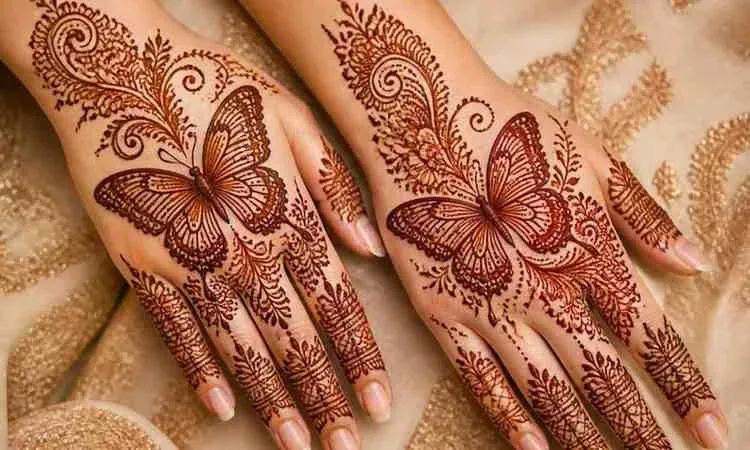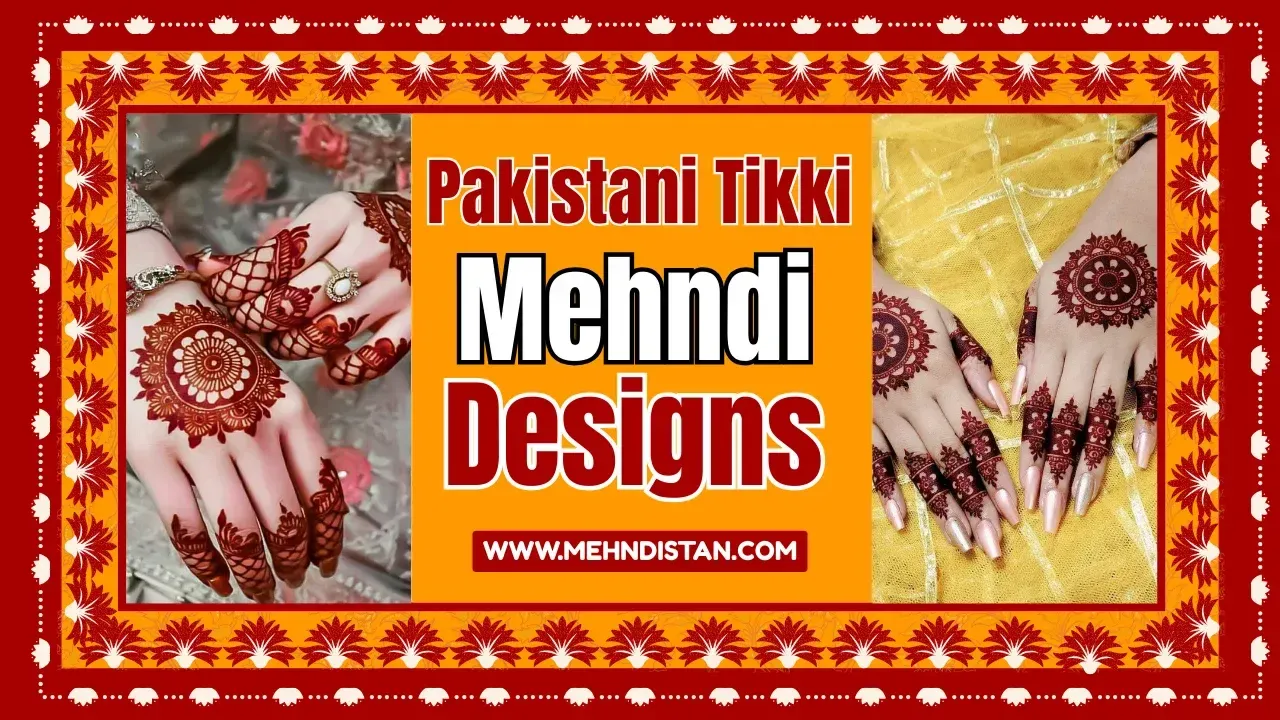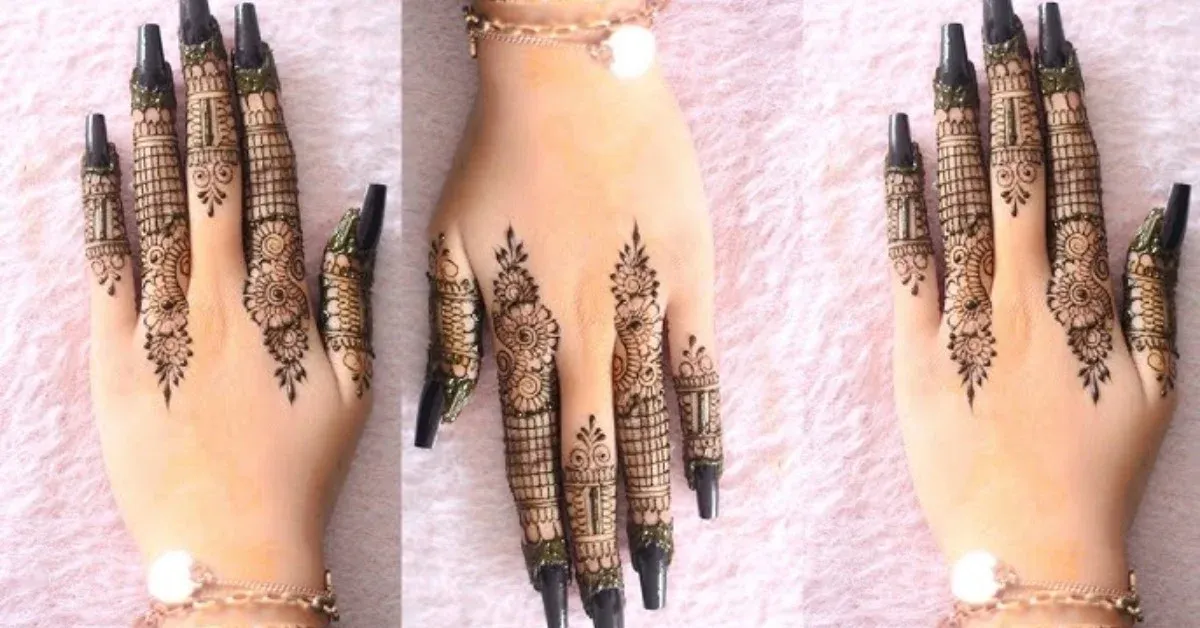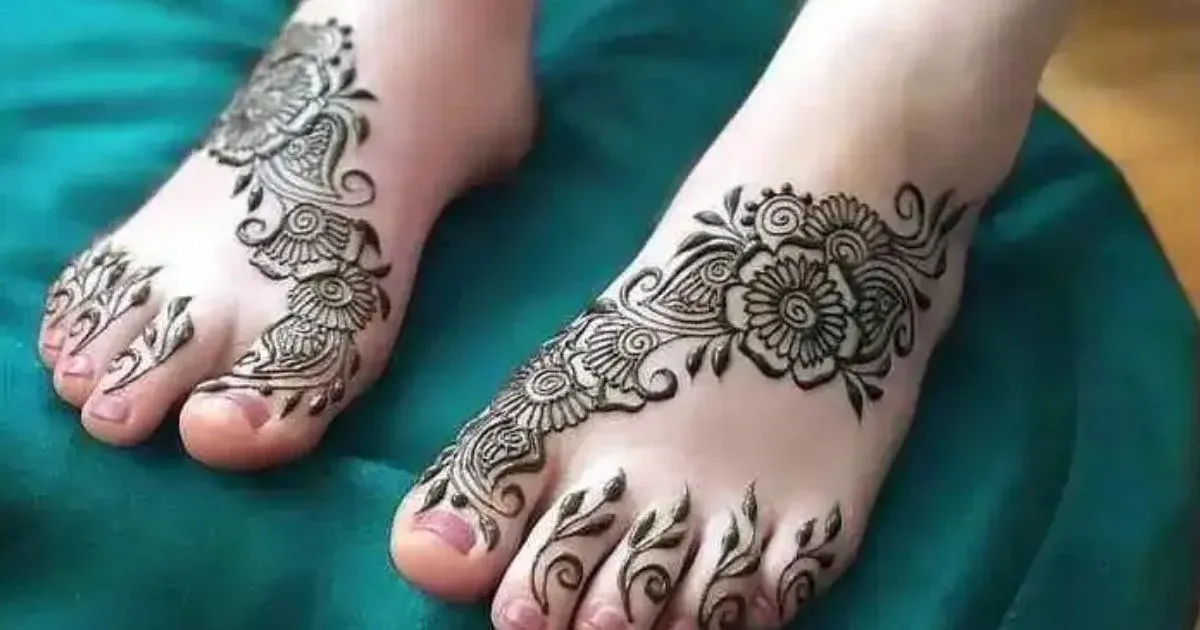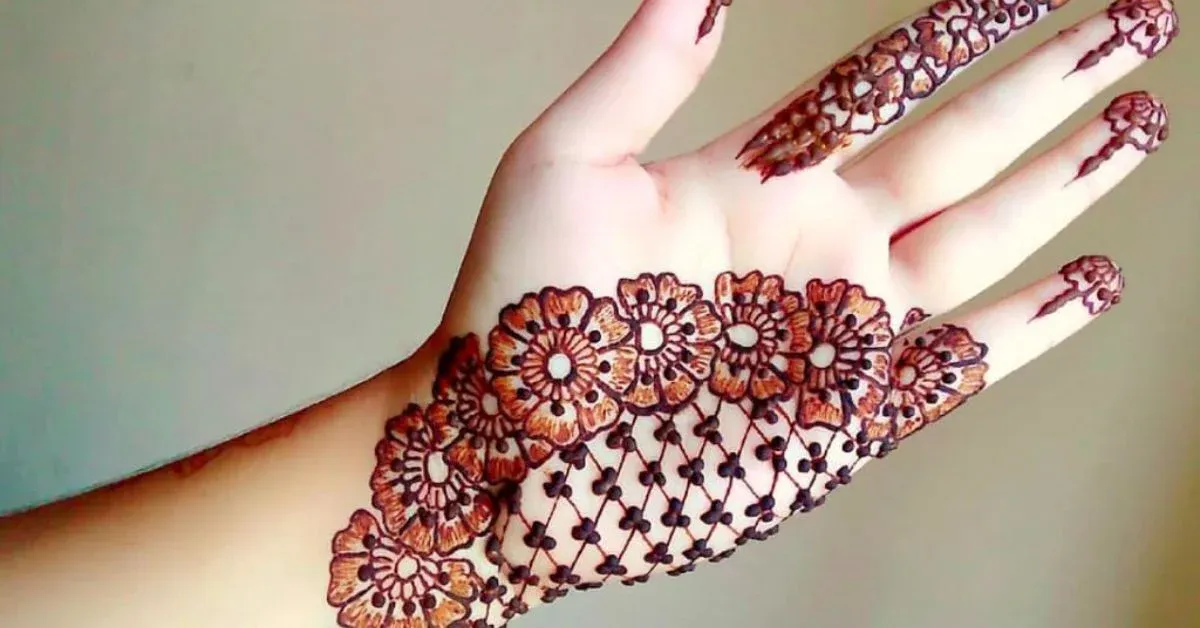
One Side Mehndi Design is a beautiful choice when I want henna that feels stylish without covering the entire hand. Instead of filling every area, I can keep the artwork concentrated along one side of the palm, fingers, or back of the hand. This creates a clean composition with enough open space to make the main motifs stand out.
In this collection, I can compare simple, stylish, Arabic, floral, front-hand, back-hand, bridal, and aesthetic one-side mehndi ideas. I like this layout because it gives me flexibility: I can choose a light pattern for a casual occasion or build a richer design for a wedding or festive event while still keeping the one-side concept.
Simple Easy One Side Mehndi Design
For an easy look, I prefer a design with a clear starting point near the wrist or side of the hand and a few connected motifs moving toward the fingers. Small flowers, leaves, dots, curved lines, and simple paisleys can create a complete look without making the hand feel crowded.
These ideas are useful when I am practicing at home or want something that can be completed without the density of a full-hand pattern.
Stylish One Side Mehndi Design
A stylish one-side design usually depends more on spacing and flow than on filling every available area. I can use bold outlines with smaller details inside selected motifs, then leave deliberate gaps around the composition. That contrast helps the main pattern look sharper and more modern.
One Side Mehndi Design for Front Hand
For the front hand, I can place the main trail along the left or right side of the palm and connect it toward one or two fingers. A central flower, paisley, vine, or geometric motif can act as the focal point while the rest of the palm remains open.
One Side Mehndi Design for Back Hand
On the back of the hand, a one-side pattern can follow the edge of the hand or travel diagonally from the wrist toward the fingers. I find this placement especially useful when I want a visible design that still leaves plenty of skin uncovered.
Arabic One Side Mehndi Design
Arabic-inspired layouts work naturally with the one-side format because their flowing floral trails and open spacing can move across one section of the hand. I can combine flowers, leaves, vines, and paisleys while keeping the trail directional rather than turning it into a dense full-hand pattern.
Floral One Side Mehndi Design
Floral patterns are easy to adapt because I can make one large flower the focal point and use leaves or smaller petals to guide the design outward. Repeating the same flower shape is not necessary; mixing two or three simple motifs can make the composition feel more natural.
Beautiful and Aesthetic One Side Mehndi Design
For an aesthetic look, I focus on balance rather than adding more details. Clean curves, consistent line weight, intentional gaps, and a clear visual direction can make even a small design look polished. I can also keep the fingertips lightly decorated so the main side trail remains the strongest feature.
Bridal One Side Mehndi Design
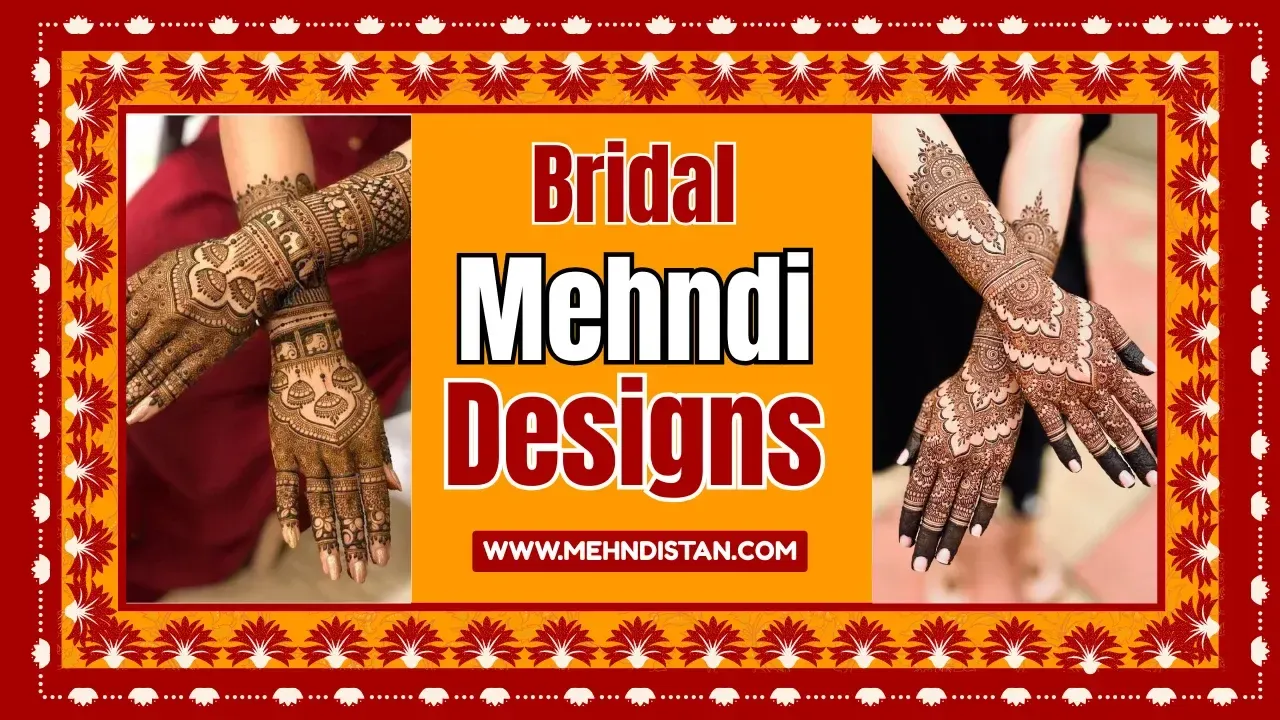
A bridal one-side design can be made richer with layered florals, paisleys, jaali-inspired details, or carefully placed bridal motifs. I would keep the main composition concentrated on one side and use the remaining space selectively so the result still reads as a one-side design.
How I Choose a One Side Mehndi Design
- I first decide whether I want the design on the front hand, back hand, or along the side.
- I choose the coverage level according to the occasion and how much open space I want.
- I select one main motif, such as a flower, paisley, vine, or geometric shape, before adding smaller details.
- I check that the design flows naturally toward the fingers instead of stopping abruptly.
- I leave enough breathing room so the one-side effect remains visible.
- I consider my outfit, jewelry, hand size, and personal comfort before finalizing the pattern.
Tips for Applying One Side Mehndi
- I keep the skin clean and dry before applying henna.
- I practice unfamiliar motifs first so I can maintain smoother lines.
- I use steady pressure on the cone to keep the line thickness consistent.
- I avoid overcrowding the design just because an empty area is available.
- I follow the instructions for the henna product I am using, including drying and removal guidance.
- I allow the pattern to dry without unnecessary rubbing or movement.
- I remember that natural henna results can vary with the product, skin, application, and aftercare.
One Side Mehndi Design Troubleshooting
- Lines look uneven: I slow down and use more consistent cone pressure instead of trying to draw quickly.
- The pattern looks too crowded: I remove a few secondary details and restore open space around the main trail.
- The design does not look balanced: I compare the visual weight of the motifs on both ends of the one-side composition.
- Henna smudges: I keep the hand as still as practical while the paste dries and follow the product’s removal instructions.
- The result is lighter than expected: I remember that stain development varies and avoid assuming that one fixed timing will work for every product or person.
Frequently Asked Questions
What is a one-side mehndi design?
A one-side mehndi design concentrates the main henna artwork along one side or section of the hand instead of covering the whole hand evenly. The exact placement can vary.
Is one-side mehndi suitable for a wedding?
Yes. I can choose a detailed or bridal-inspired pattern for a wedding, or keep it lighter if I want a more minimal look.
Can I use a one-side design on the back hand?
Yes. I can adapt the trail to the edge, diagonal area, or another comfortable section of the back hand.
Which motifs work well in a one-side design?
Flowers, leaves, vines, paisleys, dots, curved lines, and simple geometric details are all easy to arrange into a directional composition.
How long does a one-side mehndi design take?
The time depends on the size, coverage, detail, and the person’s application speed. A small simple trail generally requires less work than a detailed bridal composition.
Final Thoughts
I like one-side mehndi designs because they give me a good balance between decoration and open space. Whether I choose a simple floral trail, an Arabic-inspired pattern, a stylish back-hand layout, or a richer bridal composition, I can adjust the scale and detail to suit the occasion. The gallery above gives me plenty of visual ideas to compare before I settle on the pattern that feels right for my hand.